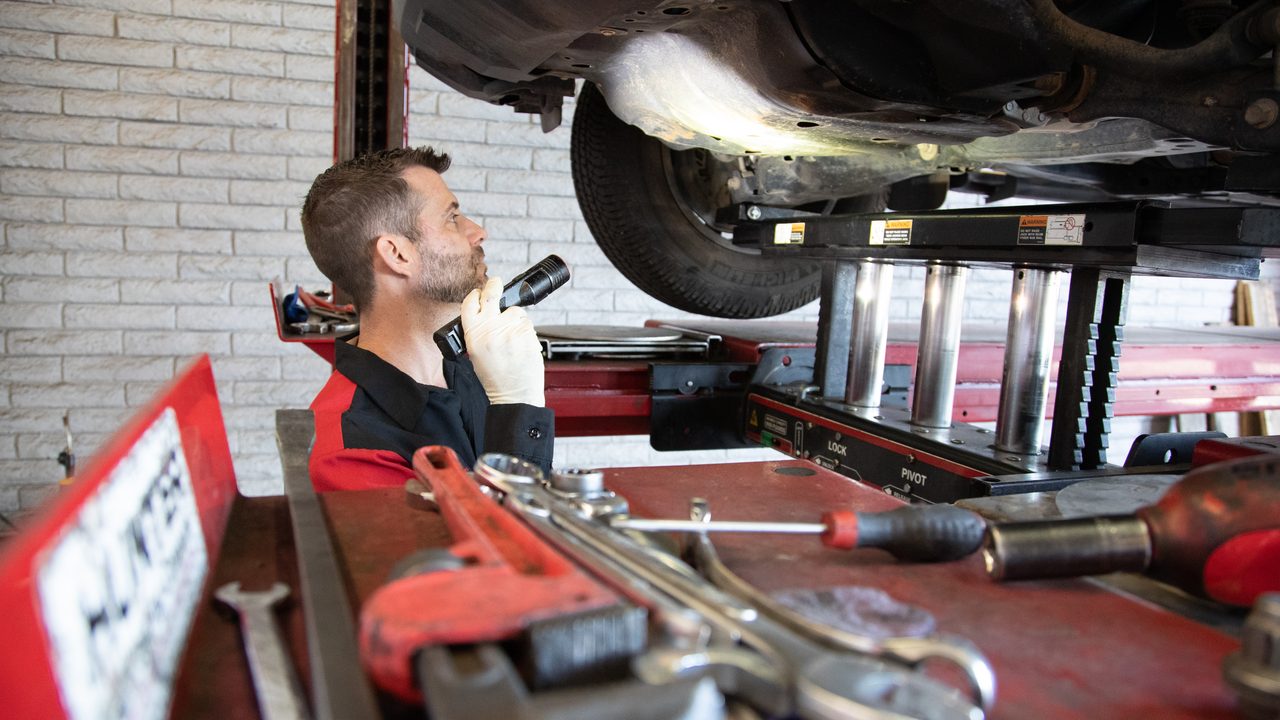

Serious car repairs rarely come out of nowhere. The transmission that fails at 90,000 miles, the engine that overheats on the 60, the brake job that turns into rotors and calipers: almost all of them left a trail of small warnings and skipped maintenance first. That is actually good news, because it means the expensive stuff is largely preventable. With a few consistent habits, and a little extra awareness of what Mesa’s climate does to vehicles, you can keep most major repairs from ever reaching your driveway. Here is how to prevent the need for serious Mesa, AZ auto repair, from a shop that sees the consequences of skipped maintenance every week.
Stay Ruthlessly Consistent With Oil and Fluid Service
Oil is the single cheapest thing standing between your engine and catastrophic wear. It lubricates, cools, and cleans internal components, and it degrades faster in extreme heat. Mesa driving, with sustained triple-digit summers and lots of short trips, qualifies as severe service under most manufacturers’ schedules, which means the shorter recommended interval applies to you.
Skipping or stretching oil changes lets oil oxidize and thicken into sludge, which starves components of lubrication. Sludge damage is gradual, invisible, and very expensive once it shows up. Staying on schedule with oil changes and maintenance is the highest-value habit on this list.
Watch Your Fluids Like a Hawk
Beyond engine oil, your car depends on coolant, transmission fluid, brake fluid, and power steering fluid. Each one has a job, and each one fails quietly:
- Coolant keeps the engine from overheating, which is the fastest route to major engine damage in Arizona.
- Transmission fluid lubricates and cools the transmission; heat-degraded fluid is a leading cause of transmission failure.
- Brake fluid absorbs moisture over time, which reduces braking performance and corrodes components from the inside.
Check levels periodically, look at condition and color, and follow the replacement intervals in your owner’s manual. A fluid exchange costs a fraction of the component it protects.
Do Not Ignore Small Symptoms
Cars communicate. A new noise, a faint smell, a small spot on the driveway, a vibration that was not there last month: these are the early chapters of every big repair story. The drivers who end up with serious repair bills are usually the ones who turned the radio up and hoped the sound would go away.
A useful rule: if something changes about how your car sounds, feels, smells, or drives, get it checked within days, not months. Most of the time the answer is minor and inexpensive. When you are not sure whether a symptom is urgent, call a shop and describe it; at Call a Shop you can talk through what you are noticing and find out whether it can wait for your next scheduled visit or needs a look now.
Take Care of Brakes and Tires Before They Take Care of You
Brakes and tires wear predictably, which makes them easy to manage and inexcusable to neglect. Worn brakes do not just stop the car more slowly; pads worn to metal chew up rotors and multiply the repair cost. Tires that are underinflated or unevenly worn compromise braking, handling, and fuel economy, and on Mesa’s summer asphalt, a badly worn tire is a blowout waiting for a heat wave.
Have tires rotated regularly, keep pressures at spec (check them in the morning before the pavement heats up), and ask for a brake measurement at service visits so replacement happens on your schedule, not the car’s.
Respect What Arizona Heat Does to Your Car
Mesa’s climate deserves its own line item in your maintenance thinking. Heat is hard on batteries, which often fail here with little warning. It accelerates the aging of belts and hoses, breaks down fluids faster, and bakes rubber components until they crack. Monsoon season adds wind-blown dust that clogs engine air filters and cabin filters faster than national averages would suggest.
Practical adjustments for the East Valley: test the battery once it is a few years old, replace filters more often than the maximum interval, get the cooling system inspected before summer, and park in shade or a garage when you can. None of this is complicated; it is just calibrated to where we live.
If your car lives outside, a simple windshield shade and shaded parking where you can find it measurably reduce the heat load on the interior, the electronics, and the battery. Small habits add up over a long summer.
Follow the Schedule That Is Already Written for You
You do not have to invent a maintenance plan; your owner’s manual already contains one, broken out by mileage and time. The trap most drivers fall into is treating those intervals as suggestions, or assuming that low annual mileage means the schedule does not apply. Time-based limits exist because fluids and rubber age even when the car sits, and in our heat they age faster than the schedule assumes.
A practical way to stay on track without thinking about it:
- Keep a simple record of what was done and when, even if it is just photos of receipts in your phone.
- Ask your shop what is coming due in the next six months at each visit, so nothing arrives as a surprise.
- Use the severe-service column of the schedule, because Arizona driving qualifies.
Build a Relationship With One Good Shop
The final piece of prevention is continuity. When one shop sees your vehicle consistently, technicians can spot changes between visits, track wear trends, and tell you what is coming next so you can plan for it. That turns car care from a series of surprises into a predictable routine. It also means that when something does go wrong, the people diagnosing it already know your vehicle’s history, which leads to faster, more accurate answers.
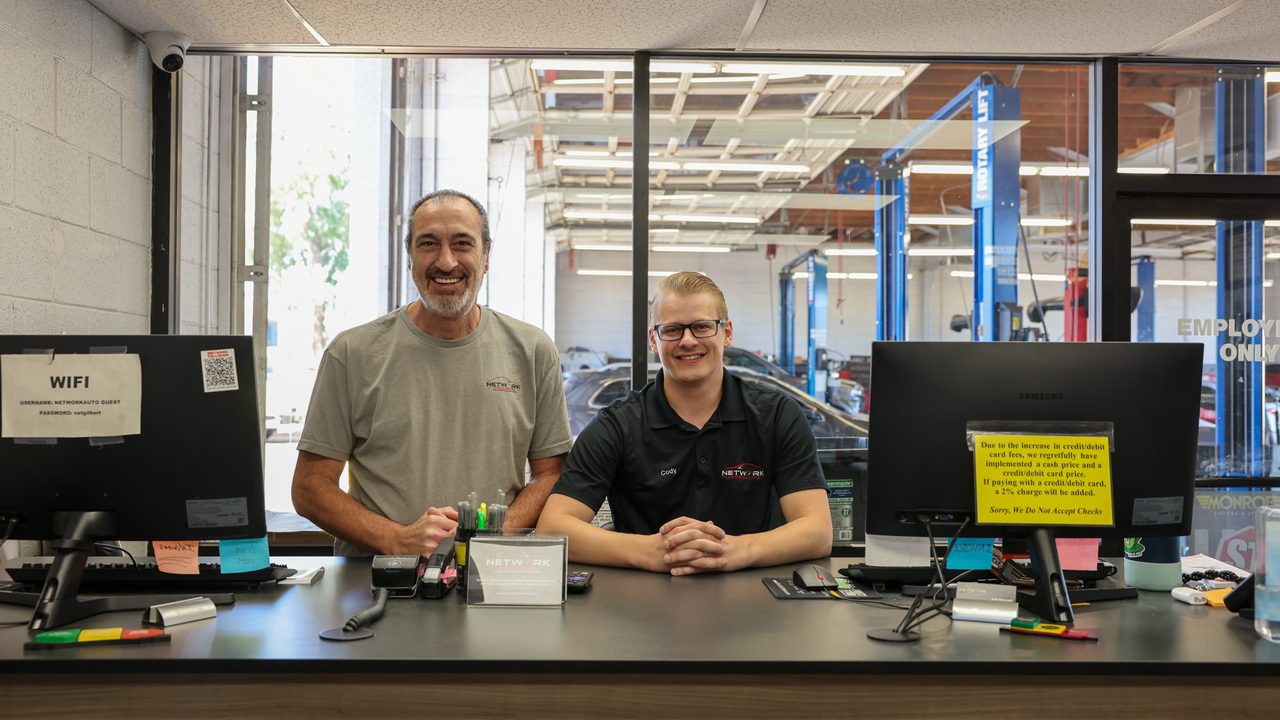
Network Automotive Service Center has been family-owned since 1995 and has spent decades helping East Valley drivers stay ahead of major repairs instead of paying for them. If your vehicle is due for maintenance, or if you have been putting off a small symptom that deserves a look, explore our services or call Call a Shop to schedule a visit. Preventing a serious repair is always cheaper than paying for one.
Next step
Want this looked at by someone who does it every day?
Book online at any of our six Arizona shops, or call and talk to a real person. Family owned since 1995.