Few things trigger car-owner dread like walking out to the driveway and spotting a dark stain under the engine. Oil leaks are among the most common problems we see, and they range from a minor seep you monitor to a serious leak that threatens the engine itself. The good news is that oil leaks almost never appear without a traceable cause, and finding that cause early usually means a simpler, cheaper repair. Here is why oil leaks happen, how to read the clues, and when to get a Chandler, AZ auto repair professional involved.
First, Confirm It Is Actually Oil
Cars can drip several fluids, and each tells a different story. Engine oil is amber to dark brown or black, with a slick feel and a distinct petroleum smell. Pink or red fluid is usually transmission or power steering fluid. Green, orange, or yellow watery fluid is coolant. And clear water dripping near the front passenger side in summer is almost always harmless air conditioning condensation, which Valley drivers see constantly and often mistake for a leak.
A simple trick: slide a piece of cardboard under the engine overnight. The color and position of the drips give you and your mechanic a head start on the diagnosis.
The Most Common Causes of Oil Leaks
Nearly all oil leaks trace back to a handful of usual suspects:
- Valve cover gasket. The rubber gasket sealing the top of the engine hardens with age and heat, then seeps. Often shows up as oil smell or light smoke as oil drips onto hot parts.
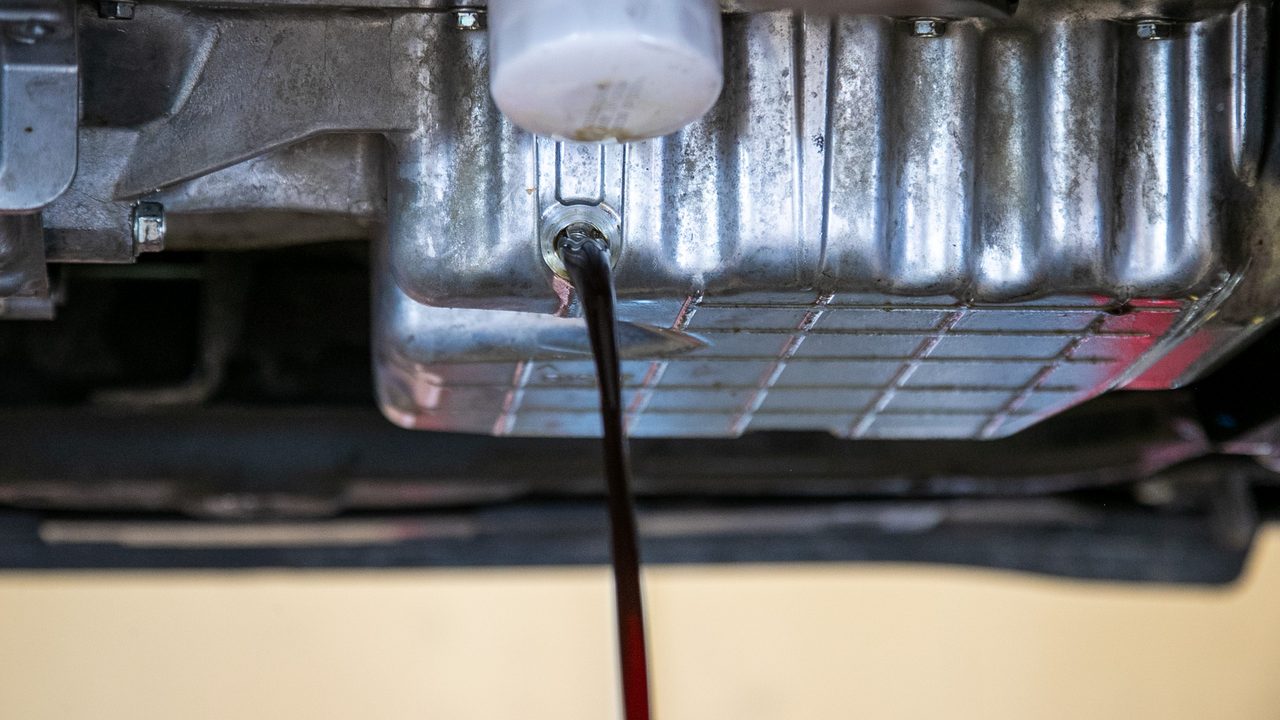
- Oil pan gasket or drain plug. The pan lives at the bottom of the engine, so leaks here drip straight to the ground. A worn drain plug washer or a loose plug is one of the cheapest fixes on this list.
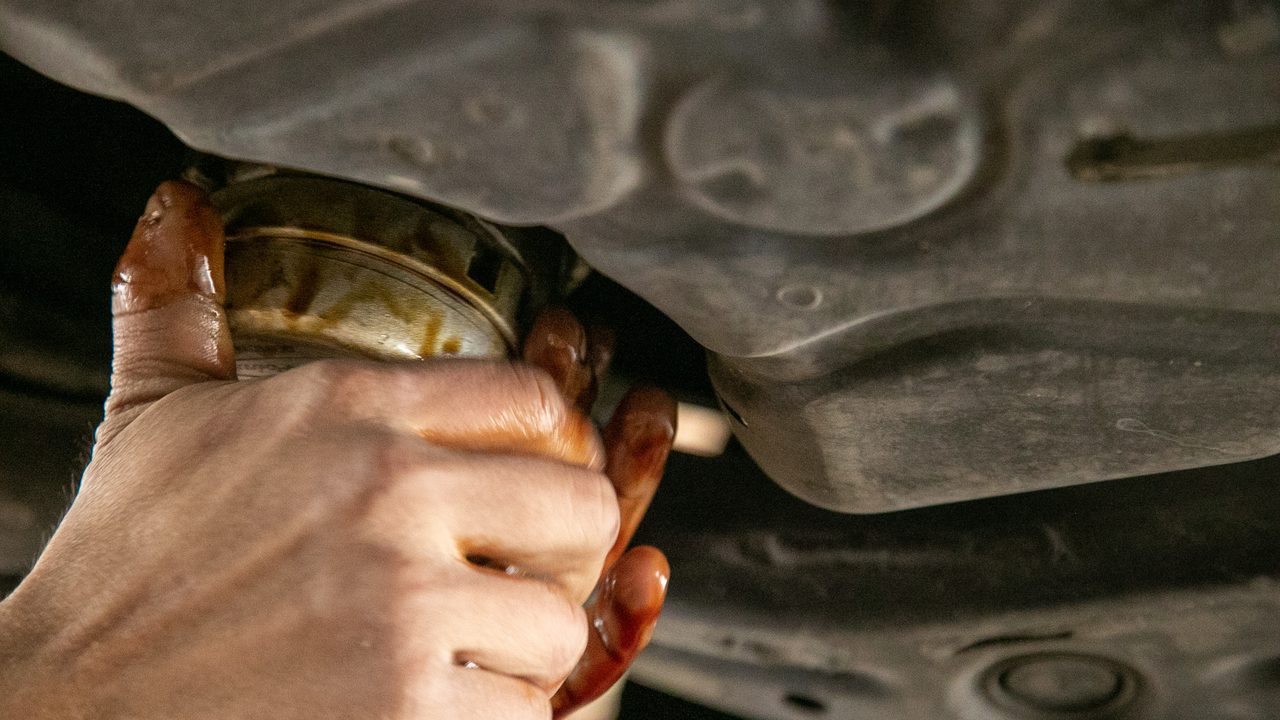
- Oil filter issues. A filter that is loose, overtightened, or double-gasketed can leak noticeably, sometimes right after an oil change.
- Front and rear main seals. These seal the rotating crankshaft, and when they age, oil finds its way out. The rear main is more involved to replace because of its location.
- Timing cover and other gaskets. Various seals around the engine each have their own failure pattern, which is why identifying the true source matters before replacing parts.
Why Arizona Heat Makes Leaks More Common
Most of the parts above are rubber or cork-based seals, and heat is what ages them. Underhood temperatures in a Chandler summer are extreme, and years of those heat cycles harden gaskets, shrink seals, and crack o-rings sooner than in milder climates. It is one reason oil leaks show up on Valley vehicles at ages and mileages that might surprise drivers from cooler places. Heat also thins oil slightly, which helps it find escape paths that thicker, cooler oil might not. None of this is cause for panic, but it is a good reason for East Valley drivers to take fluid levels and driveway spots seriously.
How Serious Is Your Leak?
Not every leak is an emergency, but every leak deserves a plan:
- A few drops occasionally is worth monitoring closely and mentioning at your next service. Check the dipstick regularly to make sure the level stays healthy.
- A regular spot with every parking means schedule an inspection soon, before the leak grows and before oil-soaked components create secondary problems.
- A spreading puddle, a low dipstick reading, or the oil pressure light means stop driving and get help now. Running an engine low on oil can destroy it in minutes, turning a gasket repair into an engine replacement.
There is also a hidden cost to ignoring leaks: oil dripping onto hot exhaust parts creates smoke and a fire risk, and oil-soaked belts and mounts deteriorate quickly.
Diagnosing and Fixing the Leak Properly
Oil travels. It blows backward in the wind stream and runs down along the engine, so the wet spot you see is often not where the leak starts. Professional diagnosis means cleaning the engine, then tracing the fresh oil to its true origin, sometimes with dye and ultraviolet light for stubborn cases. That step matters, because replacing the wrong gasket fixes nothing. Once the source is confirmed, you get a clear picture of the repair and its urgency. If your oil level has been dropping without visible drips, the oil may be burning or leaking while driving, and that pattern is worth mentioning when you call. Reach our team at Call a Shop and describe what you are seeing, and check our engine diagnostics articles to understand the process.
What About Stop-Leak Additives?
Auto parts stores sell bottles that promise to stop oil leaks from the inside, and it is fair to wonder whether one of those is easier than a repair. The honest answer: these products work by causing seals to swell or soften, which can slow a minor seep for a while, but they do not repair anything. The aged gasket is still aged, the leak path is still there, and the additive is circulating through your entire engine, not just the one seal you care about.
For an older vehicle with a slow seep, an additive is sometimes a reasonable stopgap while you plan the proper fix. For a meaningful leak, it is a delay disguised as a solution, and the underlying problem keeps aging while you wait. A better use of that money is a proper diagnosis, so you know exactly what is leaking and can decide on the repair with real information instead of hope.
Keep Your Engine Protected
Between visits, two habits protect you: check your dipstick monthly (more often if you have a known seep), and stay on schedule with oil changes, since fresh oil and a correctly installed filter prevent some leaks outright. Our oil change and maintenance articles can help you build the routine.
An oil leak caught early is usually a manageable repair. An oil leak ignored is how engines die. Network Automotive Service Center has been family-owned since 1995, serving Chandler and the East Valley. Explore our services and call Call a Shop to schedule a leak inspection. We will find where it is coming from and give you straight answers about what it needs.
Next step
Want this looked at by someone who does it every day?
Book online at any of our six Arizona shops, or call and talk to a real person. Family owned since 1995.