Getting a failed slip at the Gilbert emissions testing station is frustrating, especially when you were not expecting it. A failed emissions test in Gilbert, AZ does not mean your car is unsafe to drive today, but it does mean the state will not renew your registration until the problem is fixed and the vehicle passes a retest. The good news is that most failures trace back to a short list of common, repairable causes, and a local shop can usually get you back to the testing station well before any deadline.
What an Emissions Test Failure Actually Means
Arizona's vehicle emissions program checks your exhaust output and onboard diagnostic system against state limits. A failing result almost always means one specific system is out of spec, not that the entire car is falling apart. The printed results slip from the testing station lists which pollutants or codes triggered the failure, and that slip is the single most useful piece of paper you can hand a technician. Bring it with you. It saves diagnostic time and points the shop straight at the problem instead of starting from scratch.
Keep in mind that a failed test is a paperwork and compliance issue first. Arizona's program generally gives drivers a window to complete repairs and return for a retest, so there is no need to panic about losing your registration the same week you fail. There is a deadline, though, and it is worth confirming the exact date printed on your results before you put off the repair.
It also helps to understand that Gilbert's testing stations are not evaluating your driving record or your car's cosmetic condition. They run two kinds of checks: a tailpipe measurement of pollutants like hydrocarbons, carbon monoxide, and nitrogen oxides, and a readout of your onboard computer's diagnostic status. A vehicle can fail on either one independently, which is why two cars with seemingly similar symptoms can get very different results slips.
The Most Common Reasons Gilbert Cars Fail
Gilbert's mix of long summer heat soak, short stop-and-go trips to Heritage District restaurants or the 202, and plenty of highway miles on the Santan Freeway creates a predictable pattern of emissions failures. The most frequent causes we see include:
- A failing or clogged catalytic converter that can no longer convert exhaust gases efficiently, often set off by an ignored oxygen sensor code.
- A bad or aging oxygen sensor feeding incorrect fuel mixture data to the engine computer, which skews everything downstream.
- A loose, cracked, or missing gas cap, which triggers an evaporative emissions (EVAP) fault and is one of the cheapest fixes on this list.
- Worn spark plugs or ignition coils causing a mild misfire that raises hydrocarbon emissions without necessarily feeling like a problem behind the wheel.
- A stuck-open or leaking EGR valve, which changes combustion temperature and increases nitrogen oxide output.
- A check engine light that was already on before the test. Arizona's program fails any vehicle with an illuminated or recently cleared malfunction light, regardless of what the tailpipe numbers show.
Short trips are a particular problem for EVAP and catalytic converter codes, because the engine and emissions system in a car that mostly runs errands around Gilbert rarely gets to full operating temperature long enough to complete the self-tests the computer needs to clear a fault. A vehicle that spends most of its life on a five-minute drive to the grocery store and back is statistically far more likely to show an incomplete readiness monitor than one that regularly spends twenty minutes on the freeway.
Arizona's summer heat adds its own wear pattern on top of all this. Rubber vacuum lines and gaskets around the EGR valve and intake harden and crack faster in triple-digit heat, oxygen sensor wiring insulation degrades sooner, and the extra load from a car's air conditioning compressor running almost constantly can mask a developing misfire until it finally trips a code. Drivers who have their cars serviced regularly in other parts of the country sometimes assume a sensor or valve should last well past 100,000 miles, when in practice a Gilbert summer can shorten that lifespan noticeably.
How a Shop Diagnoses the Real Cause
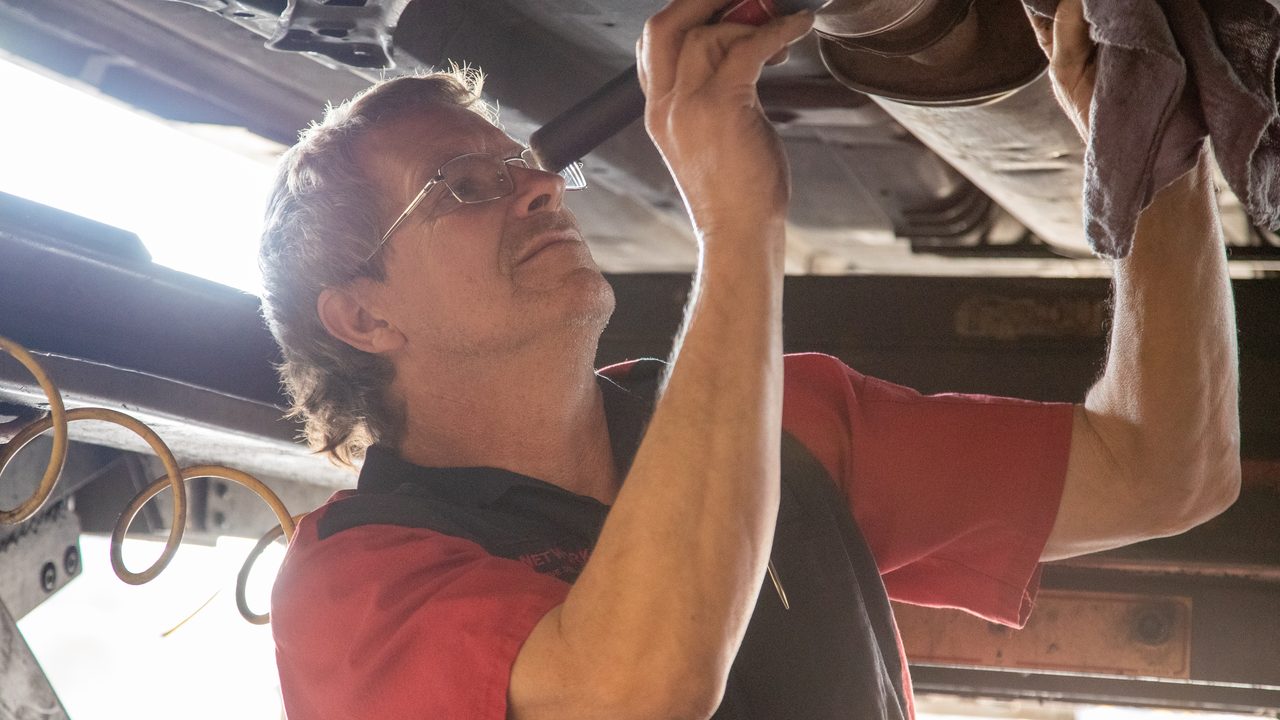
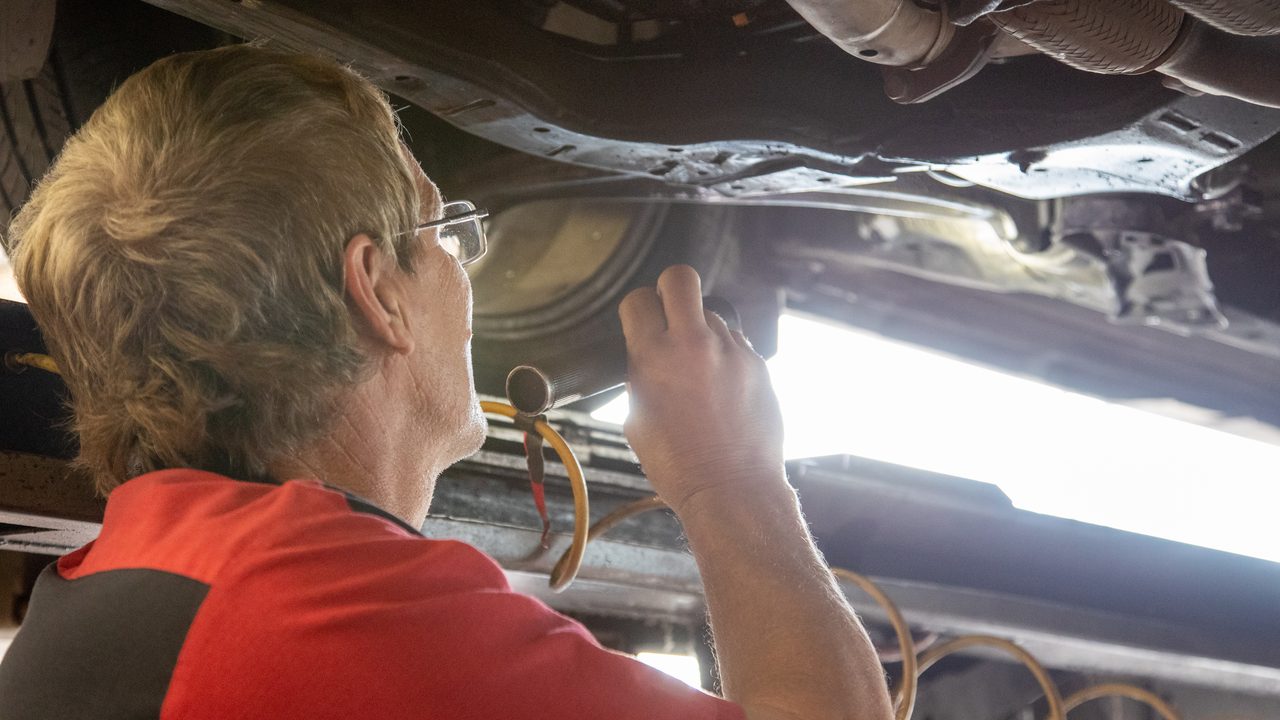
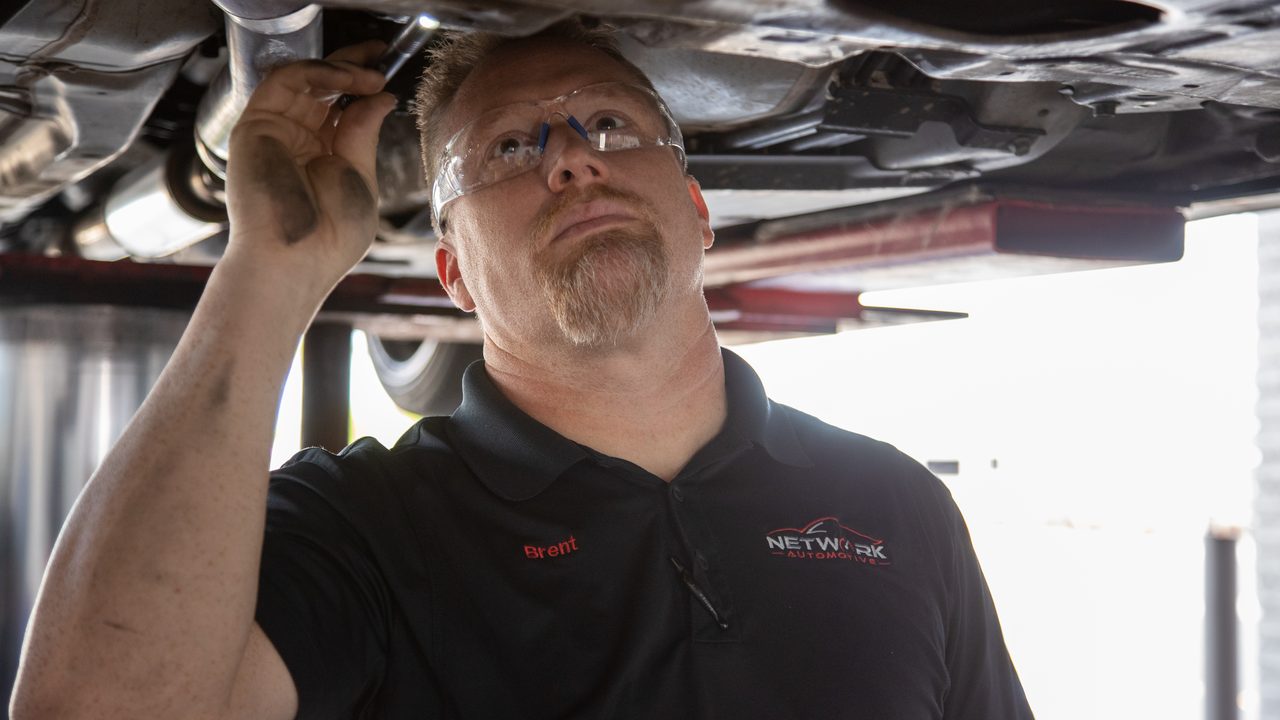
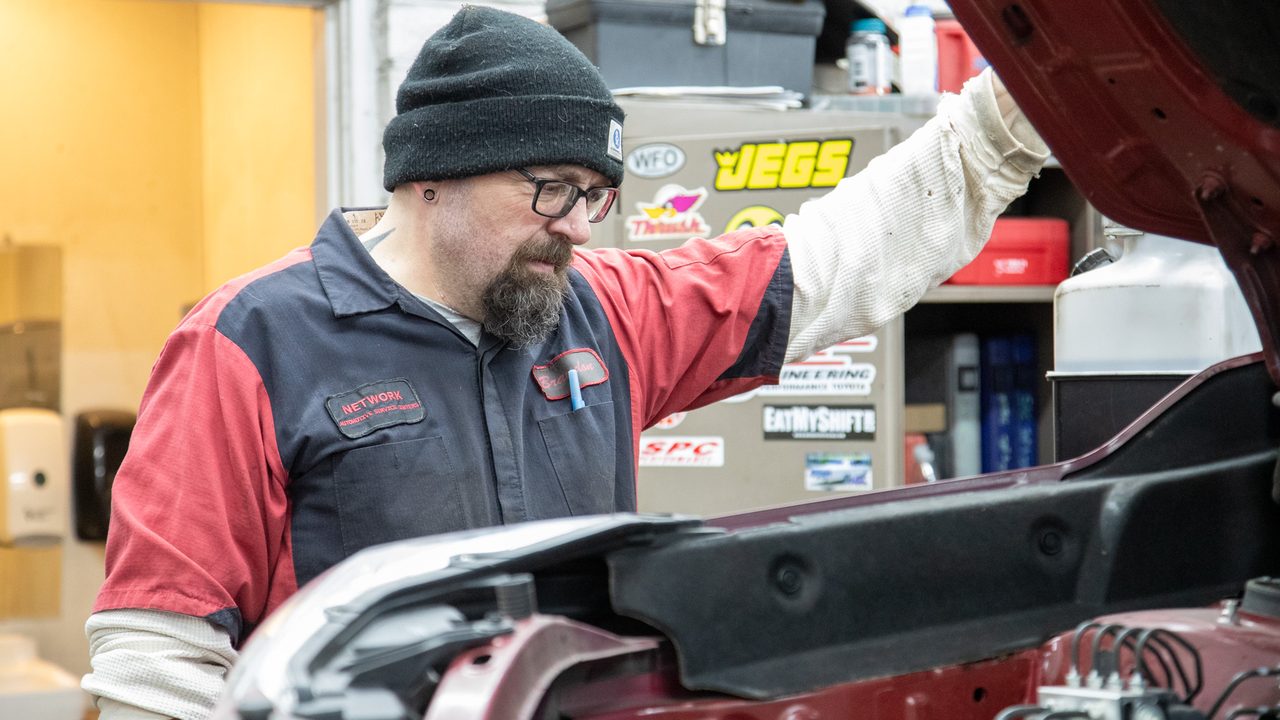
A parts-store code reader can pull a generic trouble code, but it cannot tell you why that code is there or confirm the part is actually bad. Network Automotive's technicians connect a professional scan tool to read live sensor data, freeze-frame information from the moment the fault occurred, and the full list of stored and pending codes, not just the one that happened to trip the check engine light. A diagnostic fee applies and is quoted upfront before any work begins; most of that fee is credited toward the repair once you move forward.
From there, the technician verifies the code against real readings. An oxygen sensor code, for example, can point to the sensor itself, a vacuum leak, or a failing catalytic converter upstream. Confirming which one it is before ordering parts is what separates an accurate repair from a guess-and-replace approach that can cost you two or three tries instead of one.
This verification step matters most on a catalytic converter code, because a converter is one of the more expensive parts on this list and it is often blamed when the real problem is something feeding it bad fuel mixture data upstream. Replacing a converter without fixing an underlying oxygen sensor or misfire issue can mean the new converter fails the same way the old one did, usually within a matter of months. A thorough diagnosis checks the whole chain, sensor, fuel trim data, ignition performance, and the converter itself, before recommending the most expensive repair on the list.
What the Repair Involves
Once the cause is confirmed, the repair itself is usually straightforward. A sensor or gas cap swap can often be finished same-day. A catalytic converter or EGR valve replacement takes longer and costs more, since the part sits in the exhaust system and may require additional labor to access depending on your vehicle. Here is a general comparison of how these common failures typically compare:
| Likely Cause | Typical Repair | Relative Cost | Relative Time |
|---|---|---|---|
| Loose or cracked gas cap | Gas cap replacement | Lowest | Minutes |
| Worn spark plugs or coils | Plug and/or coil replacement | Low to moderate | Same day |
| Faulty oxygen sensor | Sensor replacement | Moderate | Same day |
| Stuck or leaking EGR valve | EGR valve cleaning or replacement | Moderate | Same day to next day |
| Failed catalytic converter | Converter replacement | Highest | Same day to next day |
After the repair, the technician clears the stored fault and, in most cases, drives the vehicle through a short cycle to help the computer confirm the system is reading correctly before you head back to the testing station. Some repairs, particularly EVAP-related ones like a gas cap replacement, need a handful of normal drive cycles, regular trips with the engine reaching full temperature, before the onboard computer fully resets its readiness monitors. Heading straight back to the testing station minutes after a repair can sometimes produce an incomplete status rather than an outright pass, so a short waiting period is often part of the process.
Is It Safe to Keep Driving on a Failed Test?
In most cases, yes, a car that failed emissions is still safe to drive around Gilbert while you schedule the repair, since the underlying issues (a worn sensor, a loose gas cap, a clogged converter) are compliance and efficiency problems rather than sudden safety hazards. The main exceptions are a failure tied to a strong fuel smell, a flashing check engine light, or a noticeable loss of power, any of which should get checked out right away regardless of the emissions angle.
The real risk of waiting is not safety, it is time and cost. The longer a misfire or a bad sensor runs unaddressed, the more likely it damages a more expensive part, like a spark plug issue eventually taking out a catalytic converter, or a stuck EGR valve putting extra heat stress on surrounding components. A repair that would have been a sensor replacement in week one can turn into a sensor and a converter by week eight if the underlying cause keeps running unchecked. There is also the registration deadline itself to consider. Arizona will not renew your registration on a vehicle that has not passed its emissions requirement, so putting off the repair past your window can leave you driving on an expired registration, which carries its own separate risk.
Common Mistakes That Delay a Passing Retest
A lot of Gilbert drivers end up back at the testing station for a second or third time, not because the original diagnosis was wrong, but because of a few avoidable mistakes made in between the repair and the retest.
- Retesting too soon. Heading straight to the station minutes after a repair, especially an EVAP-related one, can produce an incomplete readiness status instead of a pass, simply because the onboard computer has not finished its self-checks yet.
- Clearing codes without fixing the cause. Using a cheap code reader to erase a stored fault can make the light go off temporarily, but if the part behind it was never actually replaced, the code typically returns within a few drive cycles, often right as you pull up to retest.
- Replacing the wrong part first. Because several different failures can trigger similar codes, such as an oxygen sensor code that is actually caused by a vacuum leak, swapping the most obvious part without confirming the cause can mean paying for a repair that does not fix the test result.
- Letting the car sit unused. A vehicle that sits in the driveway for a week after a repair, rather than being driven normally, may not complete the drive cycles needed for its readiness monitors to reset, even though the actual repair was correct.
- Missing the deadline window. Waiting until the last few days before the deadline to even schedule a diagnostic appointment leaves little room for parts ordering or a second visit if a related issue turns up during the repair.
Avoiding these five mistakes is usually the difference between a one-visit fix and a frustrating string of repeat trips to the testing station.
What To Do Right Now
Hold on to your failed test results slip and note the retest deadline printed on it. Then schedule a diagnostic appointment rather than guessing at parts yourself. Replacing an oxygen sensor that was not actually the problem means paying for a part twice, and it still leaves you right back where you started with a car that has not actually been fixed.
When you call or book online, mention the specific failure reason or code printed on your results slip. That single detail lets the shop plan the right diagnostic approach before your car is even on the lift, which generally means a faster turnaround. Book an appointment at /book-appointment-choose-location/ or call (480) 444-0242 and describe the failure reason printed on your slip so the shop can prepare for the right repair before you arrive.
Why Choose Network Automotive
Network Automotive has been family owned and operated since 1995, with ASE-certified technicians across six Arizona locations. Every repair is backed by a 24-month, 24,000-mile nationwide warranty, so a catalytic converter or sensor replacement done at one of our shops is covered no matter where you end up driving in the country. We diagnose the actual cause of an emissions failure before replacing parts, which keeps Gilbert drivers from paying for repairs that were never going to fix the problem.
That same approach applies across every emissions-related repair we handle, whether it is a simple gas cap replacement or a full catalytic converter job. Technicians explain what the scan tool found, why it points to a specific part, and what the repair will involve before any work begins, so you are never left guessing whether the fix matches the actual failure on your results slip.
Service Area
Network Automotive serves drivers throughout the East Valley and beyond, including Gilbert, Mesa, Queen Creek, Apache Junction, and Prescott. If you are closer to one of our other locations, visit our services page for the full list of what each shop handles.
Next step
Want this looked at by someone who does it every day?
Book online at any of our six Arizona shops, or call and talk to a real person. Family owned since 1995.