You are driving down a straight, flat stretch of road, you relax your grip for a second, and the car drifts toward the shoulder or the center line. If you have to keep constant pressure on the steering wheel just to hold a straight line, your vehicle is telling you something is wrong, and the most common culprit is a wheel alignment problem. Drivers in the Chandler area deal with this more than they realize, and the fix is usually straightforward once a qualified auto repair center takes a look. Here is how to recognize the signs, what causes them, and why putting it off costs you money.
What It Means When Your Car Pulls
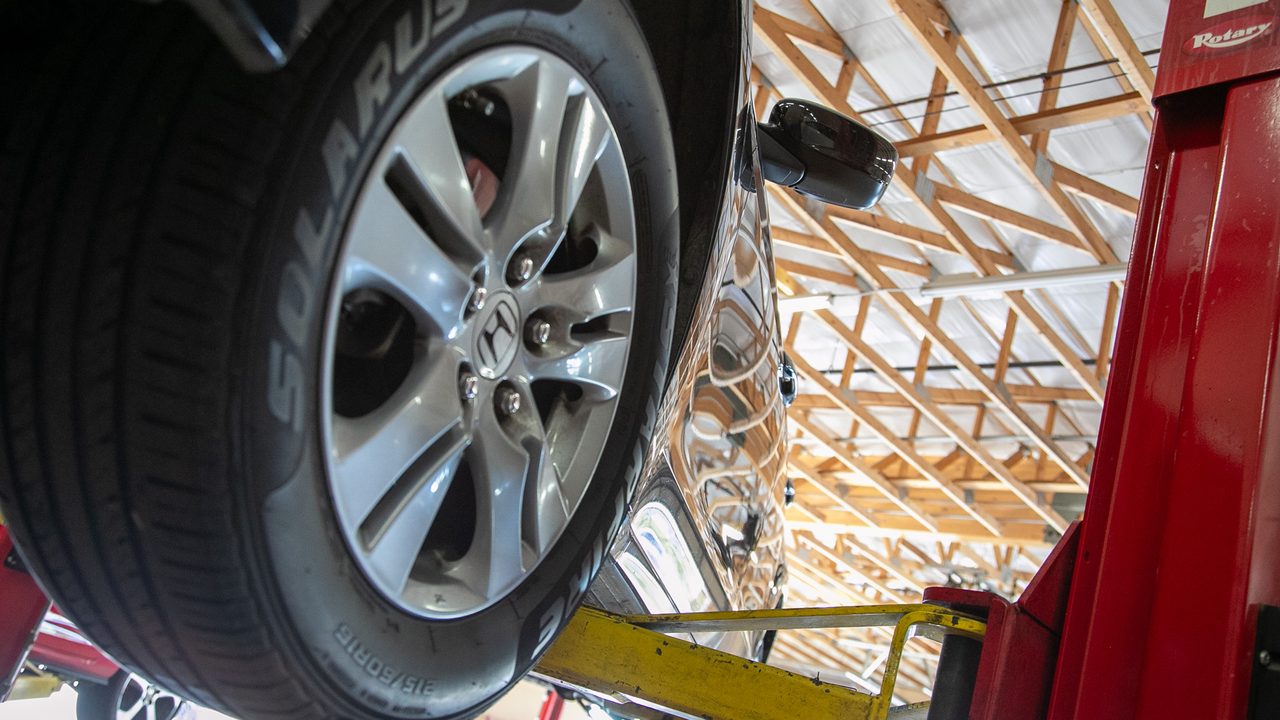
Wheel alignment refers to the precise angles at which your wheels meet the road. Manufacturers set these angles, called camber, caster, and toe, so the vehicle tracks straight, steers predictably, and wears its tires evenly. When those angles drift out of specification, the tires no longer point exactly where the steering wheel says they should, and the car pulls to one side.
The pull can be subtle or severe. Some drivers only notice it at highway speed, while others fight the wheel in a parking lot. Either way, it tends to get worse over time, and the faster you drive, the more noticeable and more dangerous it becomes. A car that wanders on its own leaves you less margin to react when traffic does something unexpected.
Other Signs You May Need an Alignment
Pulling is the classic symptom, but misalignment shows up in several other ways:
- Uneven tire wear. Run your hand across the tread. If the inside or outside edge is noticeably more worn than the rest, your alignment is off. Healthy tires wear evenly across the full width.
- A crooked steering wheel. If the wheel sits off-center while you are driving straight, the alignment angles are compensating for something.
- Squealing tires in turns. Tires that are dragged across the pavement at the wrong angle protest, especially in slow corners and parking lots.
- Loose or wandering steering. The car feels vague on center and needs constant small corrections.
- Vibration in the steering wheel. This can also indicate a balance problem, which is a separate service, but the two often show up together and are checked at the same time.
You can read more about how tires, steering, and ride quality connect in our suspension, wheels, and tires articles.
What Knocks a Vehicle Out of Alignment
Alignment does not fail on a schedule. It fails from impacts and wear. The usual suspects include:
- Hitting a pothole, curb, or parking block harder than usual
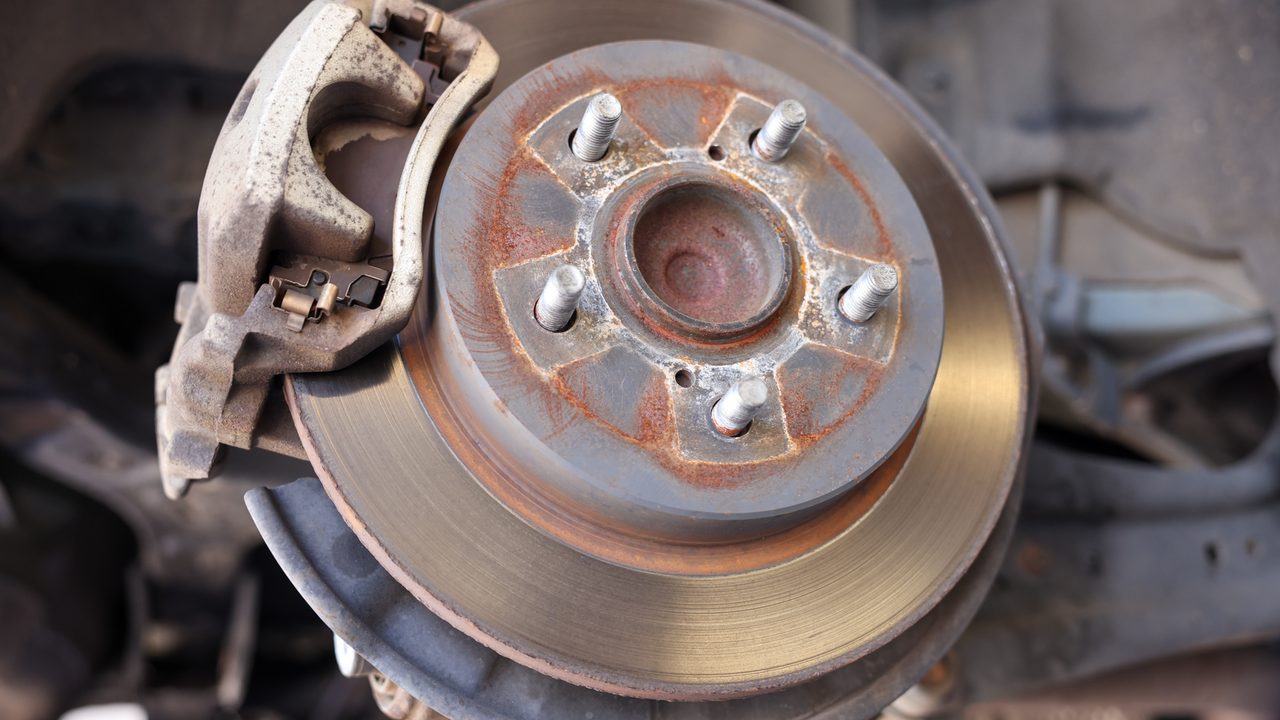
- Everyday wear in suspension and steering components like tie rods, ball joints, and bushings
- Worn shocks or struts that let the suspension move beyond its intended range
- An accident or hard impact, even a minor one that left no visible damage
East Valley driving adds its own contributions. Construction zones, gravel shoulders, and the occasional monsoon-season debris in the road all give your suspension sharp hits that add up. If you recently smacked a pothole and the car has not felt right since, that is not a coincidence.
Why You Should Not Ignore It
A misaligned car is not just annoying to drive. It is expensive. Tires that are dragged at the wrong angle can wear out in a fraction of their normal life, and replacing a set of tires costs far more than the alignment that would have saved them. Misalignment also increases rolling resistance, which quietly hurts your fuel economy on every trip.
There is a safety cost too. A vehicle that pulls requires constant correction, which is fatiguing on long drives and slows your reaction in an emergency. And because misalignment often rides along with worn suspension parts, ignoring the symptom can mean ignoring a failing component underneath it. If your car has been pulling, call us at Call a Shop and describe what you are feeling. It is often a quicker conversation than people expect.
What Happens During an Alignment Service
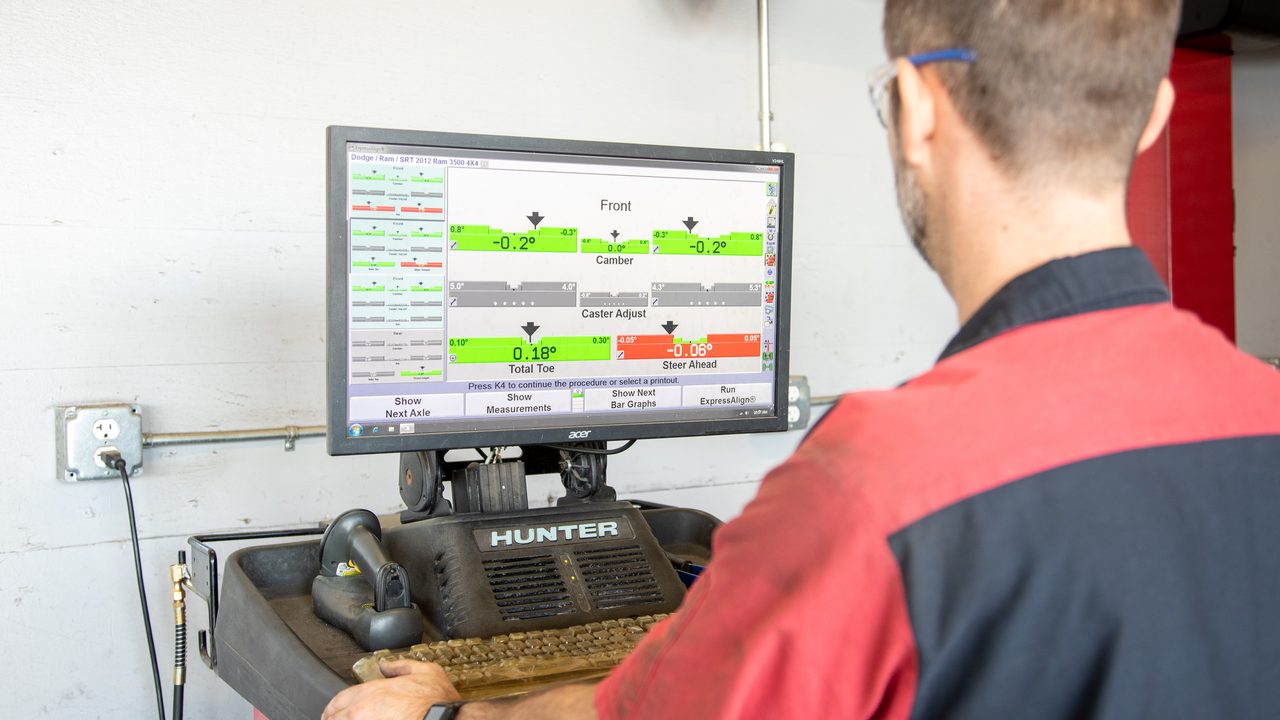
A proper alignment starts with an inspection, not a machine. A technician checks tire condition and pressure, then examines the steering and suspension components, because aligning a car with a worn tie rod is like squaring a door on a broken hinge. Once the underlying parts check out, the vehicle goes on an alignment rack where precise sensors measure each wheel’s angles against the manufacturer’s specifications. The technician then adjusts the angles back into spec and confirms the steering wheel is centered.
Afterward, the difference is usually obvious on the first drive: the car tracks straight, the wheel sits centered, and the steering feels calm again. It is one of the most satisfying repairs there is, because you feel the result immediately.
How Often Should Alignment Be Checked?
There is no single mileage number that fits every driver, but a few guidelines serve most people well. Have the alignment checked whenever you buy new tires, since starting a fresh set on a misaligned car throws away part of your investment on day one. Have it checked after any significant impact, a hard pothole strike, a curb hit, or a collision, even if nothing feels obviously wrong afterward. And have it checked any time steering or suspension parts are replaced, because new components change the geometry.
Between those events, an annual check is a reasonable habit, and many shops can verify alignment quickly during other routine service. It is also worth paying attention to your own hands. Drivers unconsciously compensate for a mild pull, holding a slight steering correction without noticing it. If you catch yourself doing that, or a passenger points out that your steering wheel is not straight, trust the observation.
The habit pays for itself. Alignment is one of the least expensive services on the car, and it directly protects one of the most expensive consumable items you buy, your tires, while keeping the car predictable and safe.
Drive Straight Again
If you are fighting the steering wheel on every drive, do not wait for the problem to eat a set of tires. Network Automotive Service Center is family-owned and has been serving East Valley drivers since 1995. Browse our services, then call Call a Shop to schedule an alignment check. We will find out why your car is pulling and get it tracking straight and safe again.
Next step
Want this looked at by someone who does it every day?
Book online at any of our six Arizona shops, or call and talk to a real person. Family owned since 1995.