If your engine shudders, surges, or feels like it is about to stall every time you sit at a red light on Val Vista or wait in the school drop-off line, you are dealing with a rough idle, and in Gilbert that symptom almost always gets worse before it gets better. A rough idle diagnosis in Gilbert AZ is the only way to tell whether you are looking at a five-minute vacuum hose fix or a coil pack that is about to take a spark plug and a catalytic converter down with it.
The frustrating part is that rough idle has a dozen possible causes, and several of them produce nearly identical shaking, hesitation, and RPM fluctuation at a stop. Guessing wrong means paying for a part that was never the problem. This guide walks through what is actually failing when your engine idles rough, why Gilbert's heat and stop-and-go traffic make it worse, how a real diagnosis separates the look-alike causes, and what to do before your next drive.
What a Rough Idle Actually Means
At idle, your engine is running on the smallest, most precise fuel and air mixture it ever sees. There is no throttle input helping it along, so any imbalance in air, fuel, spark, or vacuum shows up immediately as a shake, a surge, or an RPM needle that bounces instead of sitting still. A healthy engine idles at a steady 600-800 RPM you can barely feel through the seat. A rough idle feels like a rumble through the floor, a vibration in the steering wheel, or RPMs that dip toward stalling before recovering on their own.
That is why a rough idle diagnosis in Gilbert AZ has to look at the whole system instead of swapping the first part that looks suspicious. The symptom is the same whether the root cause is a cracked vacuum line, a dirty throttle body, a failing ignition coil, or carbon buildup on an intake valve. Only a proper diagnostic process, not a guess, narrows it down.
The Usual Suspects Behind a Rough Idle in Gilbert
Four causes account for most of the rough idle calls Network Automotive sees from Gilbert drivers. Each one has its own pattern once a technician knows what to look for.
Vacuum Leaks
Your engine relies on a sealed network of rubber and plastic vacuum lines to regulate air intake. Gilbert's summer heat, which routinely pushes engine bay temperatures well past what the rubber was designed for, dries out and cracks these lines years before a driver in a milder climate would see the same wear. A vacuum leak lets unmetered air into the intake, which throws off the air-fuel ratio right where the engine is most sensitive to it: idle. The result is a rough, surging idle that often comes with a hissing sound from under the hood and a check engine light for a lean fuel trim code.
A Dirty Throttle Body
The throttle body controls exactly how much air enters the engine, including the small, carefully metered amount it needs at idle. Over time, a mix of oil vapor from the engine's crankcase ventilation system and ordinary road dust, the kind that is unavoidable anywhere near Gilbert's dirt lots and desert washes, builds up on the throttle plate and bore. That buildup changes how much air actually gets through at a given throttle position, which confuses the idle control system and produces a rough, hunting idle.
Failing Ignition Coils
Modern engines usually have one ignition coil per cylinder, and each one has to deliver a clean, strong spark thousands of times a minute. Heat is the enemy of ignition coils, and an engine bay baking in Arizona summer traffic shortens their lifespan. When a coil starts to fail, it usually does not die all at once. It misfires intermittently, and that intermittent misfire is one of the most common causes of a rough idle diagnosis in Gilbert AZ turning into a conversation about coils and spark plugs rather than vacuum hoses.
Carbon Buildup on Intake Valves
Direct-injection engines, which spray fuel straight into the cylinder instead of across the intake valve, lose the natural solvent effect that older engines used to keep valves clean. Carbon deposits build up on the back of the intake valves over tens of thousands of miles, especially with short trips and stop-and-go driving, which describes most commutes around Gilbert's arterials. Heavy carbon buildup disrupts airflow into the cylinder unevenly from one cylinder to the next, which shows up as a rough, uneven idle and a loss of smoothness under light acceleration.
Rough Idle vs. Stalling vs. Bucking Under Load
Not every rough-running symptom is the same problem, and it helps to know which one you are actually describing before you call a shop. A rough idle happens only while the car is stopped and the engine is turning over on its own, with no throttle input from you. Stalling is the engine dying completely, usually right as you come to a stop or just after, which often points to a more advanced version of the same vacuum leak or idle control problem. Bucking or hesitation under load, meaning the car jerks or surges while you are accelerating or holding a steady highway speed, is a different animal that usually points toward fuel delivery, a transmission shift quality issue, or a misfire that is bad enough to show up outside of idle as well. A rough idle diagnosis in Gilbert AZ should always start by pinning down exactly when the symptom happens, because that detail alone rules out several possible causes before a scan tool is even plugged in.
Why Gilbert's Heat and Stop-and-Go Driving Make It Worse
Three local conditions push rough idle problems in Gilbert ahead of schedule compared to the same vehicle in a cooler climate. First, sustained summer heat accelerates the breakdown of rubber vacuum lines, intake gaskets, and the internal components of ignition coils. Second, idling in traffic on Greenfield, Lindsay, or the 202 frontage roads means the engine spends more total time at idle, which is exactly the condition that exposes vacuum leaks, dirty throttle bodies, and misfires. Third, fine desert dust works its way past air filters over time and settles inside the throttle body and intake tract faster than manufacturers accounted for when they set service intervals. None of this is unique to any one car; it is a Gilbert-climate problem that shows up in nearly every make and model a shop sees.
How a Real Rough Idle Diagnosis Works
A proper rough idle diagnosis in Gilbert AZ starts with a scan tool, not a parts shelf. Here is what that actually involves at a full-service shop:
- Pull stored and pending codes. Misfire codes point at specific cylinders, which narrows the search to a coil, plug, or injector on that cylinder before anything gets removed.
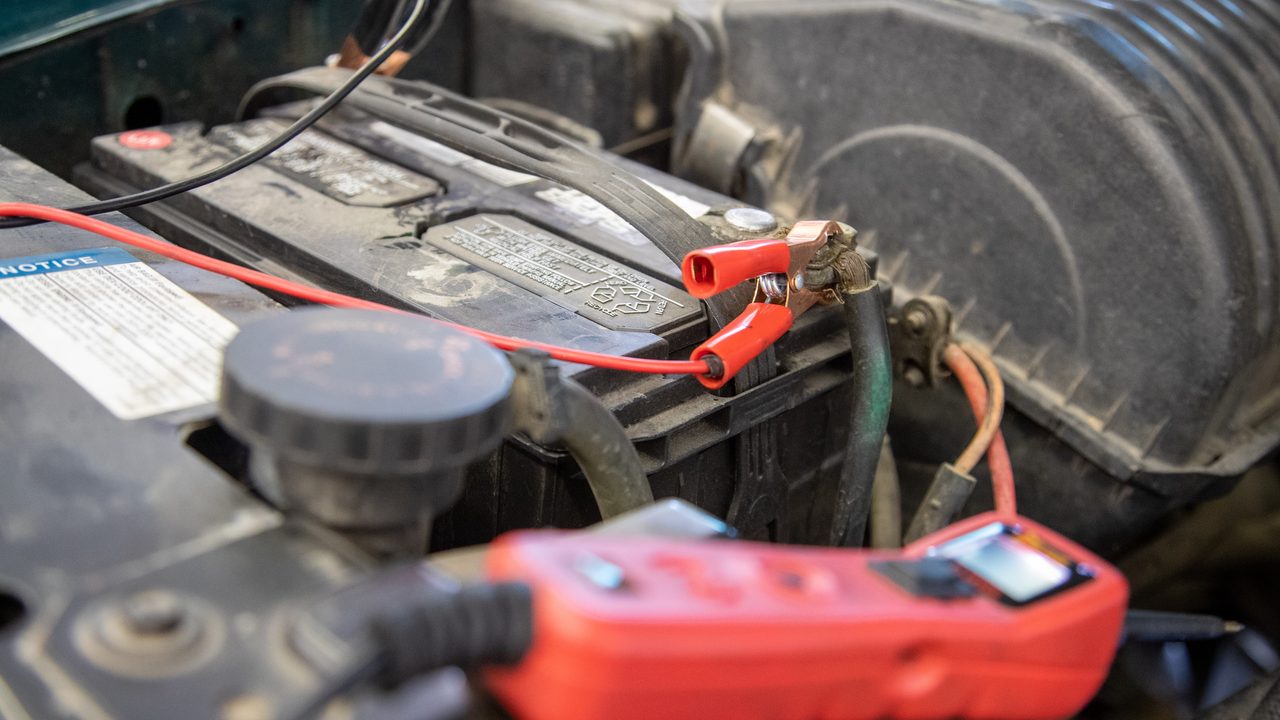
- Check live data. Fuel trim numbers that are running lean or rich at idle point toward a vacuum leak or a fuel delivery problem rather than an ignition issue.
- Smoke test the intake. A smoke machine pushes a visible vapor through the intake system under light pressure, so a vacuum leak shows up as a visible plume rather than a guess.
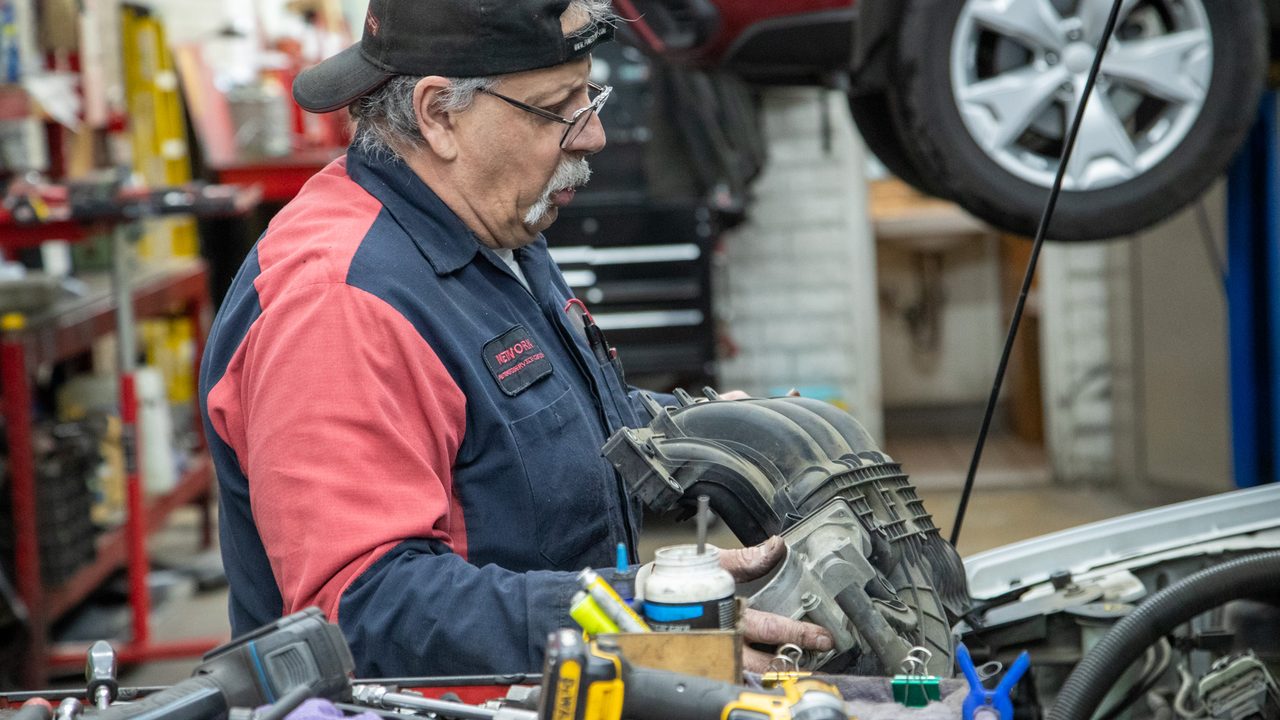
- Inspect the throttle body and intake visually. A technician can see carbon and oil residue buildup on the throttle plate directly, without needing to remove anything first.
- Swap-test or scope ignition components. Moving a suspect coil to a different cylinder, or reading its waveform on an oscilloscope, confirms a failing coil instead of assuming one.
Each of these steps rules causes in or out before a single part gets ordered. That is the difference between a rough idle diagnosis in Gilbert AZ done right and a guess-and-replace approach that can run through two or three unnecessary parts before landing on the actual problem.
Rough Idle Causes at a Glance
| Cause | Typical Symptom | How It's Confirmed | Urgency |
|---|---|---|---|
| Vacuum leak | Hissing sound, surging idle, lean fuel trim code | Smoke test | Moderate; fix soon |
| Dirty throttle body | Hunting, unstable idle RPM | Visual inspection, cleaning test | Low to moderate |
| Failing ignition coil | Shaking, misfire code, rough under load | Scan tool misfire data, coil swap or scope | High; can damage catalytic converter |
| Carbon buildup | Gradual roughness, uneven idle over time | Scope or borescope inspection | Low to moderate |
What the Repair Actually Involves
Once a rough idle diagnosis in Gilbert AZ identifies the real cause, the repair itself is usually straightforward. A cracked vacuum line gets replaced with the correct hose for that engine, not a generic splice. A dirty throttle body is cleaned with the proper solvent and, on some engines, the idle relearn procedure has to be performed afterward so the computer recalibrates to the clean bore. A failing coil gets replaced, and most shops replace the spark plug on that cylinder at the same time, since a worn plug and a weak coil often fail close together and replacing just one invites a repeat visit. Carbon buildup on intake valves is addressed with a walnut-shell media blast or a chemical intake cleaning service, depending on how heavy the buildup is and what the manufacturer recommends for that engine.
A diagnostic fee applies for the scan, smoke test, and inspection work described above, quoted upfront before anything is scheduled, and it is typically credited toward the repair if you move forward with the recommended fix.
Is It Urgent, or Can You Keep Driving?
A rough idle is rarely an emergency in the first few days, but it is not something to put off indefinitely either. A misfire from a failing coil sends unburned fuel into the exhaust system, where it can overheat and damage the catalytic converter, turning a coil replacement into a much more expensive repair if it is ignored for weeks. A vacuum leak that gets worse can eventually affect how the engine runs under acceleration, not just at idle. The safest approach is to get a rough idle diagnosis in Gilbert AZ scheduled within the next week or two rather than waiting for the symptom to escalate into a flashing check engine light or reduced power mode.
What to Do Right Now
If your engine is idling rough today, avoid long idling periods, such as waiting in a drive-through line with the engine running, until it has been looked at. Note whether the check engine light is steady or flashing; a flashing light during a rough idle means an active misfire and the vehicle should be driven minimally until it is diagnosed. Keep an eye on the temperature gauge, since a vacuum leak severe enough to cause a rough idle can occasionally affect cooling system vacuum components as well. Book an appointment at /book-appointment-choose-location/ rather than waiting for the symptom to turn into a stall at a stoplight.
Why Choose Network Automotive
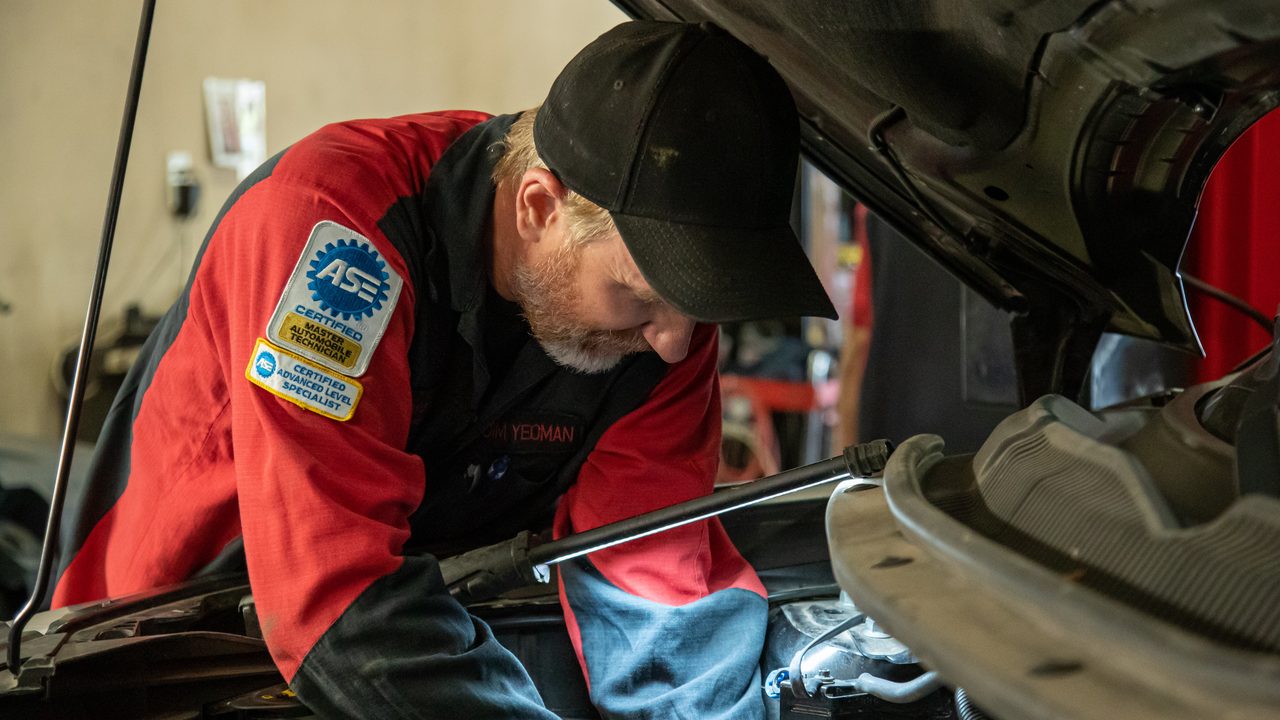
Network Automotive has been family owned and operated since 1995, and that kind of history matters when a rough idle diagnosis in Gilbert AZ depends on a technician who has actually seen a hundred versions of the same symptom before. Our ASE-certified technicians use the scan tools, smoke machines, and oscilloscopes described above instead of guessing, and every eligible repair is backed by a 24-month / 24,000-mile nationwide warranty, so you are covered well past the drive home. With six locations across the Phoenix area, getting a same-week appointment near your daily route is rarely a problem.
Service Area
Network Automotive serves Gilbert drivers alongside neighboring communities, including Mesa, Apache Junction, Queen Creek, and Prescott. You can view the full list of diagnostic and repair services at /services/, check current offers at /coupons-network-automotive-service-center/, or reach a location directly through /contact-us/. If your rough idle shows up alongside a clunk at every stop, it is worth reading about engine mount replacement in Gilbert as a related cause, and if the check engine light is already on, our guide to a check engine light diagnostic covers how that process works in more detail.
Next step
Want this looked at by someone who does it every day?
Book online at any of our six Arizona shops, or call and talk to a real person. Family owned since 1995.