White smoke rolling out of the tailpipe, a heater that won't blow hot, and a temperature gauge that creeps up every time you sit at a Mesa stoplight. Those three things together usually point to one repair: head gasket repair Mesa AZ drivers hope they never need, but one that gets more common every August when the pavement hits 150 degrees and engines idle in gridlock on the 60 and the 202. A head gasket problem rarely shows up as a single dramatic failure. It creeps in through small symptoms that are easy to explain away, right up until the engine overheats hard enough to warp a cylinder head. Catching it early is the difference between a repair bill and a replacement engine.
This guide walks through what a blown head gasket actually looks like in a Mesa driveway, why Arizona heat makes this repair more common here than almost anywhere else, and what to expect once you bring the car in. If you only remember one thing, remember this: head gasket repair Mesa AZ shops perform every week almost always starts with a cooling system that was already struggling, quietly, for weeks before the engine finally overheated.
What a Blown Head Gasket Actually Means for Your Mesa AZ Engine
The head gasket is a thin, precisely engineered seal sandwiched between the engine block and the cylinder head. It has one job: keep three separate systems, the combustion chambers, the coolant passages, and the oil passages, completely isolated from each other while the engine heats and cools thousands of times a day. When that seal fails, those systems start mixing. Coolant can seep into a cylinder and burn off as white exhaust smoke. Combustion gas can push into the cooling system and blow coolant out of the overflow. Oil and coolant can cross paths entirely, turning the oil on your dipstick into a milky, frothy mess.
None of that happens because the gasket is a weak part. It happens because something overheated the engine beyond what the gasket was designed to seal against, even briefly, or because age and heat cycling finally wore through the material. Head gasket repair Mesa AZ shops see most often traces back to one of two root causes: a cooling system component that failed quietly for weeks before the engine finally overheated, or a warped cylinder head from a single severe overheating event. Both are fixable. Neither gets better by waiting. Understanding which of the two caused your failure is the first real step of any head gasket repair Mesa AZ mechanics quote, since it changes what else needs attention during the job.
7 Warning Signs of Head Gasket Failure
Most Mesa drivers do not get one obvious symptom. They get two or three of these at once, which is usually the signal that it is time to get the car looked at rather than keep driving and hoping.
- White smoke from the exhaust. Thin white smoke that lingers (not the quick puff of condensation on a cold morning) means coolant is burning inside a cylinder.
- Milky, frothy oil on the dipstick. A tan, milkshake-colored film on the oil cap or dipstick means coolant has mixed into the oil.
- Coolant disappearing with no visible leak. If you keep adding coolant and there is no puddle under the car, it is likely being burned in the combustion chamber.
- Overheating that comes and goes. A temperature gauge that spikes in stop-and-go traffic, then settles back down on the highway, is a classic early head gasket pattern.
- Bubbles in the coolant reservoir with the engine running. Combustion gas escaping into the cooling system shows up as bubbling at idle.
- A sweet smell inside the cabin. Burning coolant has a distinct sweet odor that is different from a burning-oil smell.
- Rough idle or a misfire that gets worse when the engine is warm. Coolant leaking into a cylinder fouls combustion the same way a bad spark plug does.
Any one of these on its own is worth a look. Two or more together are a strong case for head gasket repair Mesa AZ drivers should not postpone. Most of the engines that end up needing head gasket repair Mesa AZ technicians see on a weekly basis showed at least two of these signs for a week or more before the owner brought the car in, which is exactly the window where a diagnosis is cheapest and the damage is smallest.
Why Mesa Heat and Stop-and-Go Driving Accelerate Head Gasket Failure
Arizona engines work harder than engines almost anywhere else in the country, and the cooling system takes the brunt of it. Ambient temperatures above 110 degrees mean a cooling system that is already running hot before the engine even starts producing heat of its own. Add idling on Gilbert Road or crawling through a backed-up intersection on Main Street with the AC compressor working overtime, and the radiator gets very little airflow to shed that heat. That combination of extreme ambient heat and low-speed traffic is exactly the scenario that pushes a marginal cooling system past its limit.
Rubber and plastic cooling system parts also age faster in desert heat. Radiator hoses, the thermostat housing, and plastic radiator end tanks all go brittle years sooner in Mesa than they would in a milder climate. When one of those parts fails without warning, often on a 115-degree afternoon, the engine can go from normal temperature to dangerously hot in a few minutes. If the driver does not catch it immediately, that single overheating event is often enough to warp the cylinder head or burn through the head gasket. This is why a shop doing head gasket repair Mesa AZ customers bring in almost always checks the entire cooling system, not just the gasket itself. Replacing the gasket without fixing whatever caused the overheat just sets up a repeat failure.
Fleet and commute vehicles that spend a lot of time idling, whether that is a work truck sitting on a job site with the AC running or a commuter crawling up Country Club Drive during rush hour, see this pattern more than vehicles that mostly cover highway miles. Low airflow at idle is hard on a marginal cooling system in a way that steady highway speed simply is not, and it is a big part of why head gasket repair Mesa AZ shops handle skews toward vehicles with a lot of city and stop-and-go miles rather than pure highway cars of the same age.
How a Shop Diagnoses a Blown Head Gasket
A visual check of the oil and the coolant tells a technician a lot, but it is not proof by itself. Low coolant with a milky dipstick could be a head gasket, or it could be a cracked cylinder head, a warped head, or a failed intake manifold gasket on certain engines. Getting the diagnosis right before any repair starts matters, because the fix is different for each of those.
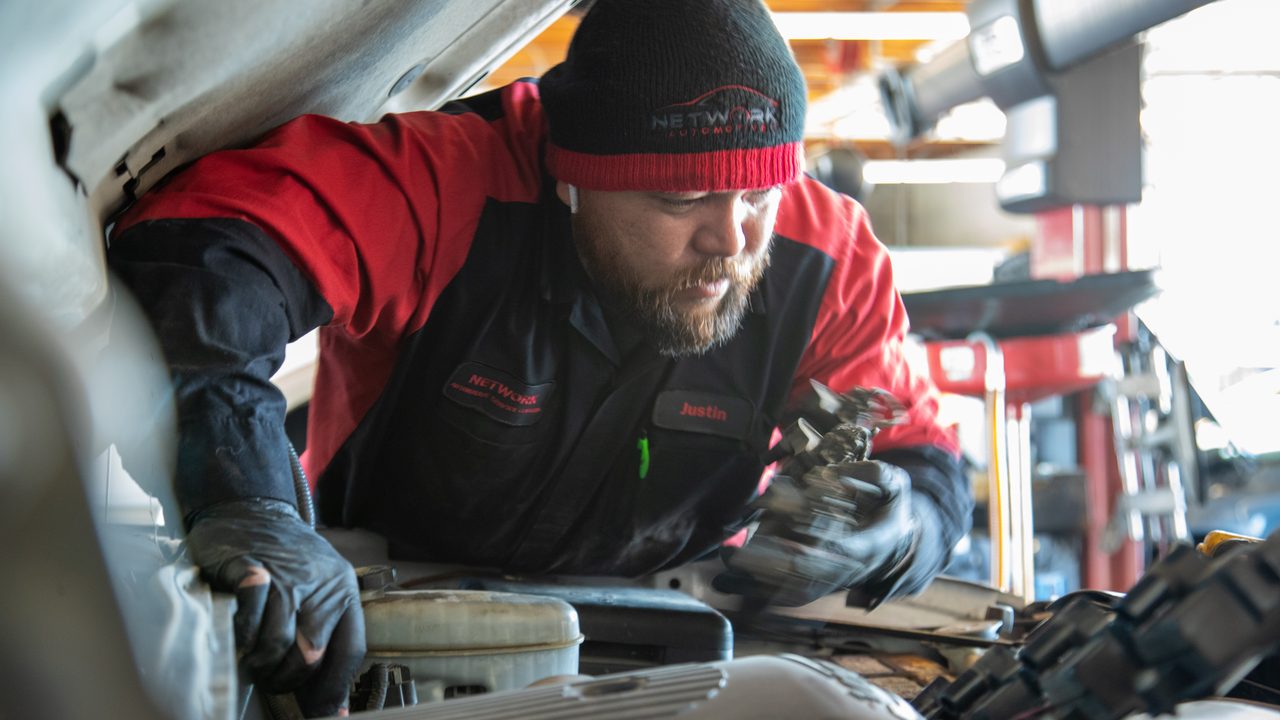
A proper diagnosis for suspected head gasket failure typically includes a few steps: a cooling system pressure test to check for external leaks first, a combustion leak test (sometimes called a block test) that checks the vapor coming off the coolant for combustion gases, and a visual borescope or compression check of the cylinders when the pattern does not point clearly at the gasket. On engines with a history of overheating, a technician will also check the cylinder head itself for warping, since a warped head will cause a brand new gasket to fail again within weeks if it is not corrected first. This is the kind of diagnostic work that takes real shop equipment and an experienced eye, not a quick look under the hood.
It is worth asking any shop quoting head gasket repair Mesa AZ drivers call around for exactly which of these tests they ran before landing on the diagnosis. A quote based only on "the oil looks milky" skips the step that actually confirms whether the problem is the gasket, a cracked head, or something else in the cooling system entirely. Getting that wrong means paying for a repair that does not fix the actual failure.
What Head Gasket Repair Actually Involves
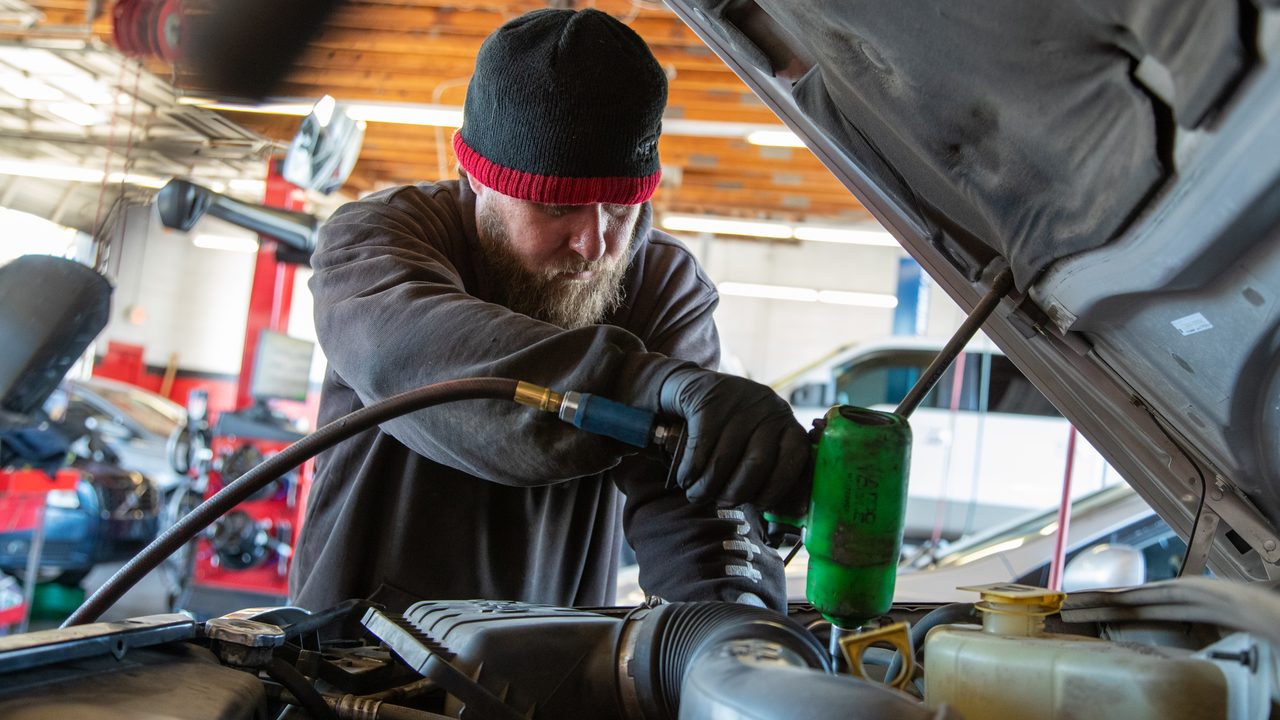
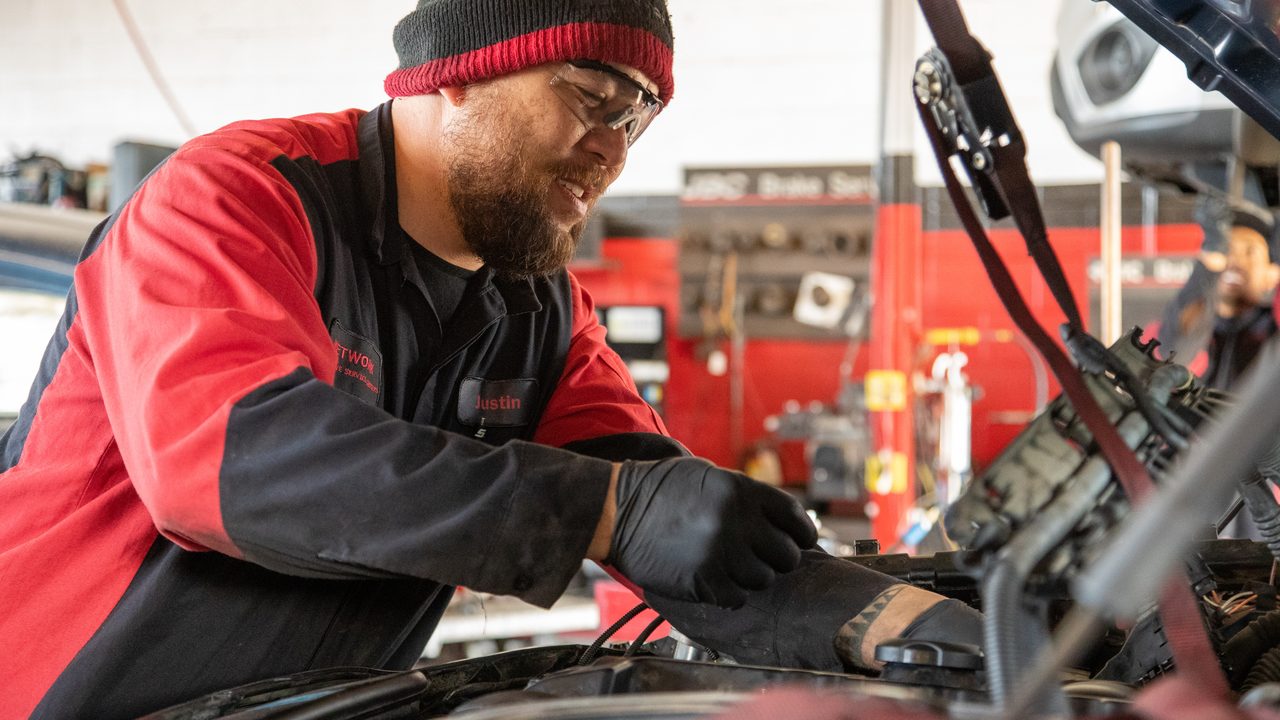
Head gasket repair is one of the more involved jobs a shop performs on a car engine, which is part of why it gets a bad reputation online. The process generally includes removing the intake manifold, exhaust manifold, and any accessories mounted on top of the engine, pulling the cylinder head off the block, having the head checked (and resurfaced if it is warped), cleaning both mating surfaces completely, installing the new gasket with the correct torque sequence and torque-to-yield bolts where the manufacturer specifies them, and reassembling everything in the reverse order. The cooling system is then refilled, bled of air, and pressure tested before the car ever leaves the bay.
Skipping any one of those steps, especially checking the head for warping or properly bleeding air out of the cooling system afterward, is how a head gasket job fails a second time. A shop that has done head gasket repair Mesa AZ vehicles for years knows to treat this as a full cooling system service, not just a gasket swap, which is exactly why it is not a job to hand to the cheapest bid without asking what is actually included.
Depending on the engine layout, this can also mean replacing the timing belt or timing chain components while everything is apart, since many engines require removing those parts to get the head off in the first place. A shop doing the job correctly will inspect those components while they have access rather than bolting the old, worn parts back onto a freshly repaired engine.
Is It Safe to Keep Driving on a Blown Head Gasket?
Driving even a short distance on a confirmed blown head gasket risks turning a gasket repair into an engine replacement. Once combustion gas or coolant is crossing into a cylinder, every mile you drive is another chance for the engine to overheat without warning, warp the cylinder head further, or wash the lubricating oil film off a cylinder wall. A car that is overheating now, with steam visible or the temperature gauge pegged, should be pulled over immediately and shut off, not nursed home or to a shop under its own power.
If the symptoms are mild and intermittent, like occasional white smoke on startup, it is still not a wait-and-see situation. Have it looked at before your next long drive on the 202 or out toward Apache Junction. The cost of towing a car in for an inspection is always smaller than the cost of continuing to drive on a head gasket that finally lets go on the highway.
Why Waiting Makes Head Gasket Repair Mesa AZ More Expensive
A head gasket caught early, before the cylinder head warps and before coolant has had time to wash oil off the cylinder walls, is a contained repair. The gasket, the head, and the surrounding seals are addressed, the cooling system is refilled and bled, and the engine goes back to normal service. Wait too long, and the damage spreads. Coolant mixing with oil over an extended period can score bearings and cylinder walls, turning a head gasket job into a short block or full engine rebuild. A warped head that keeps running hot can crack, which is a different and more expensive repair than a straightforward gasket replacement.
This is the single biggest reason a shop will tell you not to keep driving on a confirmed head gasket problem while you "wait and see." The repair itself does not get easier by putting it off, and the list of parts that need attention only grows the longer coolant and combustion gases keep crossing into places they do not belong.
What to Do Right Now If You Suspect a Head Gasket Problem
If you are seeing any combination of the warning signs above, a few steps protect the engine while you get it to a shop. First, stop driving the moment the temperature gauge rises above normal or you see steam. Second, do not keep topping off coolant and continuing to drive as a long-term fix. That treats a symptom, not the leak. Third, avoid pouring in a stop-leak additive hoping it seals the gasket. Those products occasionally buy a day or two, but they can also clog the narrow coolant passages in the radiator and heater core, turning a head gasket repair into a more expensive cooling system cleanout. Fourth, have the car towed or driven the shortest possible distance to a shop that can run a proper combustion leak test before more damage happens.
Write down what you have noticed before you call: when the smoke or smell shows up, whether the temperature gauge spikes at idle or at speed, and roughly how much coolant you have had to add over the past week or two. That information helps a technician narrow in on the right tests for head gasket repair Mesa AZ vehicles need faster, instead of starting from scratch.
Why Mesa Drivers Choose Network Automotive for Head Gasket Repair
Network Automotive has been a family-owned shop since 1995, and head gasket repair Mesa AZ customers trust us for is handled by ASE-certified technicians who diagnose the full cooling system before any parts come off the engine. Every repair is backed by a 24-month / 24,000-mile nationwide warranty, so you are not just paying for parts and labor, you are paying for a repair that is built to hold up through another Arizona summer. With six Arizona locations across the East Valley and beyond, there is almost always a shop near you, whether you are coming from downtown Mesa, Gilbert, or Apache Junction.
We also give you an honest answer up front about whether a head gasket repair makes sense for your specific vehicle, or whether the damage has gone far enough that a different path is the smarter move. Thirty years in the East Valley has taught our technicians that the right call is not the same for every car, and a straight answer matters more than selling the biggest job possible.
Service Area
Network Automotive serves drivers across the East Valley and beyond for head gasket repair and full cooling system diagnosis, including Mesa, Gilbert, Apache Junction, Queen Creek, and Prescott. See the full list of services we offer, check current coupons, or book an appointment at your nearest location. Have questions first? Contact us and we will walk you through it. Related reading: our guide to car overheating repair in Mesa AZ, the warning signs behind a timing chain replacement in Mesa AZ, and our companion piece on head gasket repair in Apache Junction.
Next step
Want this looked at by someone who does it every day?
Book online at any of our six Arizona shops, or call and talk to a real person. Family owned since 1995.