If your car battery keeps dying in Gilbert, AZ, the battery itself is rarely the real story. A battery that's dead every few mornings, or dead again two weeks after a fresh replacement, is usually a symptom pointing at something else under the hood: a weak alternator that can't keep up, a parasitic drain pulling power while the car sits overnight, or heat damage that's already cooked the battery's internal plates. Jumping it and driving off feels like a fix, but it almost never is.
Why Gilbert Batteries Fail Early (It's Heat, Not Cold)
Most drivers assume batteries die from cold winter mornings, because that's the story everywhere else in the country. In Gilbert, it's the opposite. Arizona summers push underhood temperatures well past what a battery was engineered for, and that heat accelerates the chemical reaction inside the cells that produces the battery's charge. The same reaction that makes a battery work also, over time, boils off the electrolyte fluid, corrodes the internal plates, and shortens the battery's usable life.
A battery rated for a 4 to 5 year lifespan in a mild climate often struggles to make it past 2 to 3 years in Gilbert's heat. Stop-and-go traffic on Val Vista, Gilbert Road, and the 202 adds to the load, because short trips don't give the alternator enough time to fully recharge the battery between starts. By the time a driver notices a slow crank or a dash warning, the battery may already be at the end of a shortened life it never had a fair shot at completing.
Parking matters too. A car that spends most of the day in direct sun, rather than a garage or shaded carport, runs a noticeably hotter engine bay, and that extra heat soak shortens battery life further. It's one of the reasons two identical vehicles, bought the same year and driven similar miles, can end up with very different battery lifespans depending on where they're parked most of the time. None of this means a battery is defective; it means Gilbert's climate asks more of a battery than the climate it was designed around.
Three Different Problems That Look Like "My Car Battery Keeps Dying"
When a car battery keeps dying in Gilbert AZ, there are really three separate systems that could be at fault, and they each point to a different repair. Treating all three the same way is how drivers end up buying a second or third battery that also goes dead.
- A weak or failing battery. The battery itself can no longer hold a full charge, even though the charging system is working correctly. This is common once a battery passes the 2 to 3 year mark in desert heat.
- A failing alternator. The alternator recharges the battery while the engine runs. If it's weak or failing, the battery never gets topped back off, so it starts every drive a little more depleted than the last until it can't start the car at all.
- A parasitic drain. Something in the car keeps pulling a small amount of power even after the key is out and the doors are locked. A trunk light that doesn't shut off, an aftermarket stereo or alarm, a stuck relay, or a door module that won't go to sleep can quietly drain a perfectly healthy battery overnight.
A new battery will temporarily mask a bad alternator or a parasitic drain, which is exactly why some drivers go through two batteries in a single year without ever fixing the actual problem.
How a Shop Tells the Difference
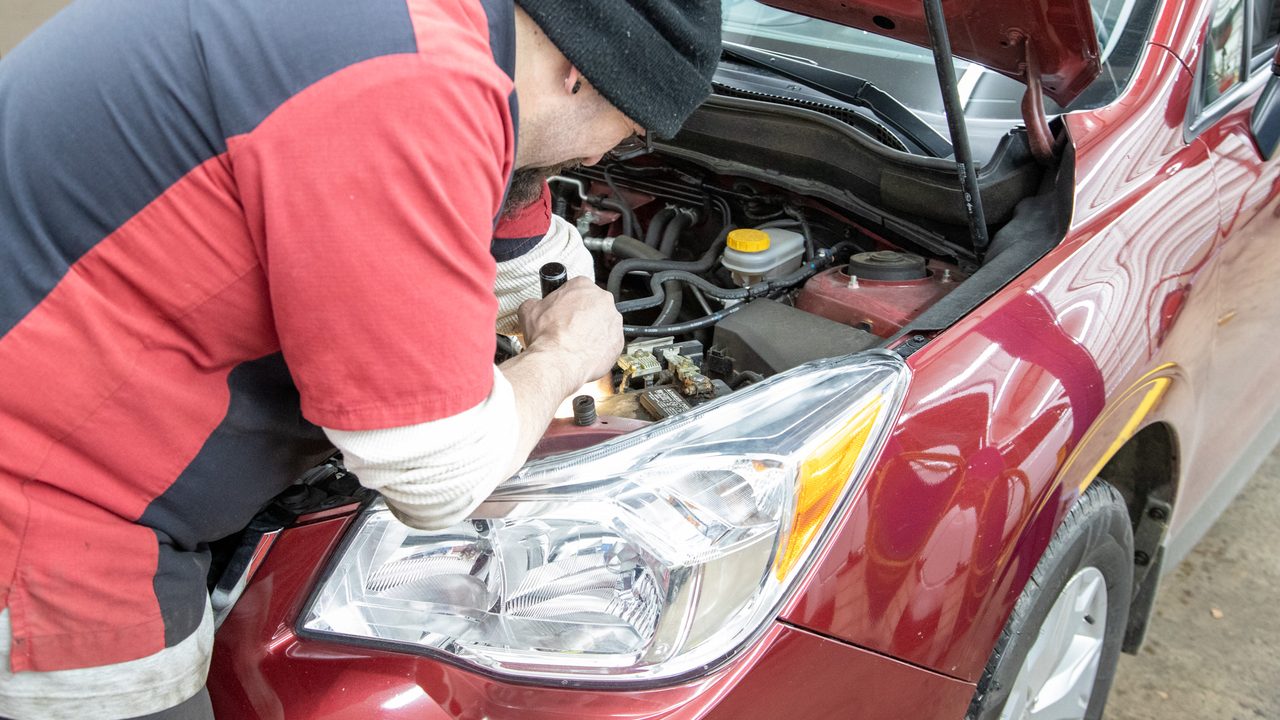
A parts-store battery tester can usually tell you whether a battery accepts a charge, but it can't tell you why the battery kept losing that charge in the first place. Separating a bad battery from a parasitic drain or a weak alternator takes a more complete test sequence.
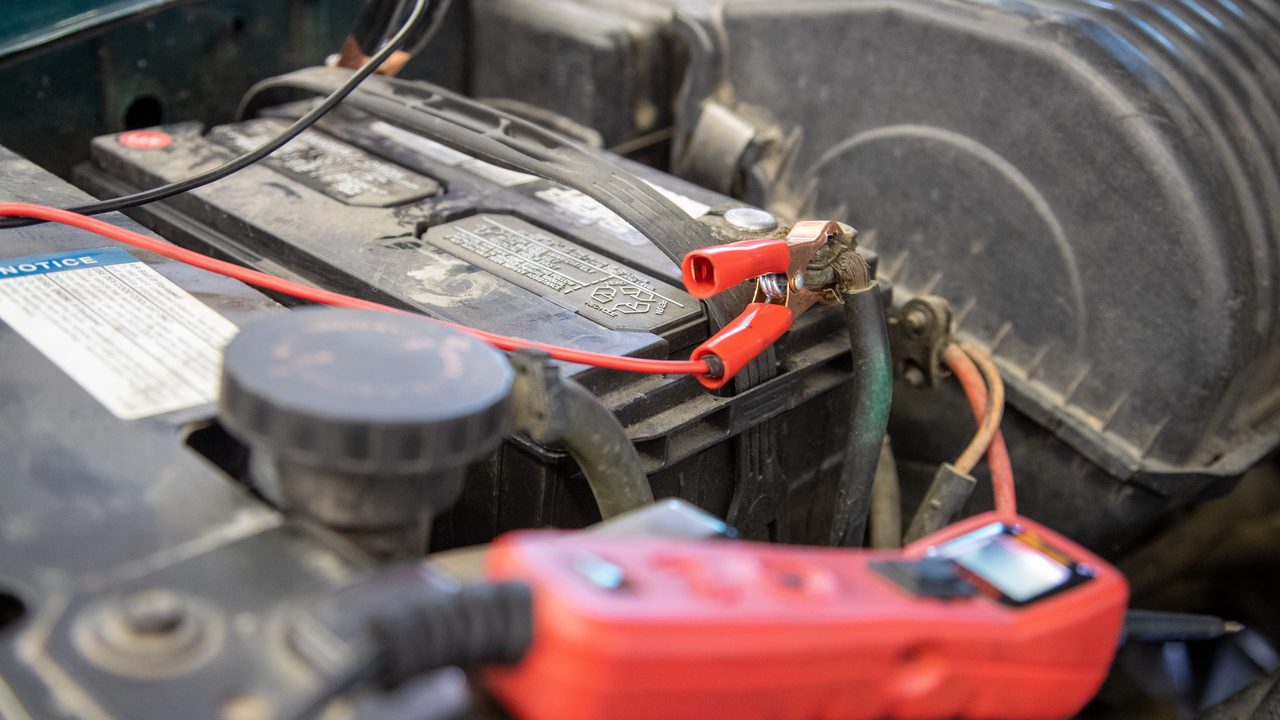
- Battery load test. The battery is tested under load to measure how much usable capacity actually remains, not just its resting voltage.
- Charging system test. With the engine running, the alternator's output is checked against spec. A healthy alternator should hold the system voltage in a specific range; a weak one drifts low, especially under load from headlights, AC, and accessories.
- Parasitic draw test. With the car off and fully asleep, a technician measures how many milliamps are still being pulled from the battery. Anything meaningfully above spec means something in the car isn't shutting off the way it should, and the circuits get isolated one at a time (by pulling fuses) until the draw disappears.
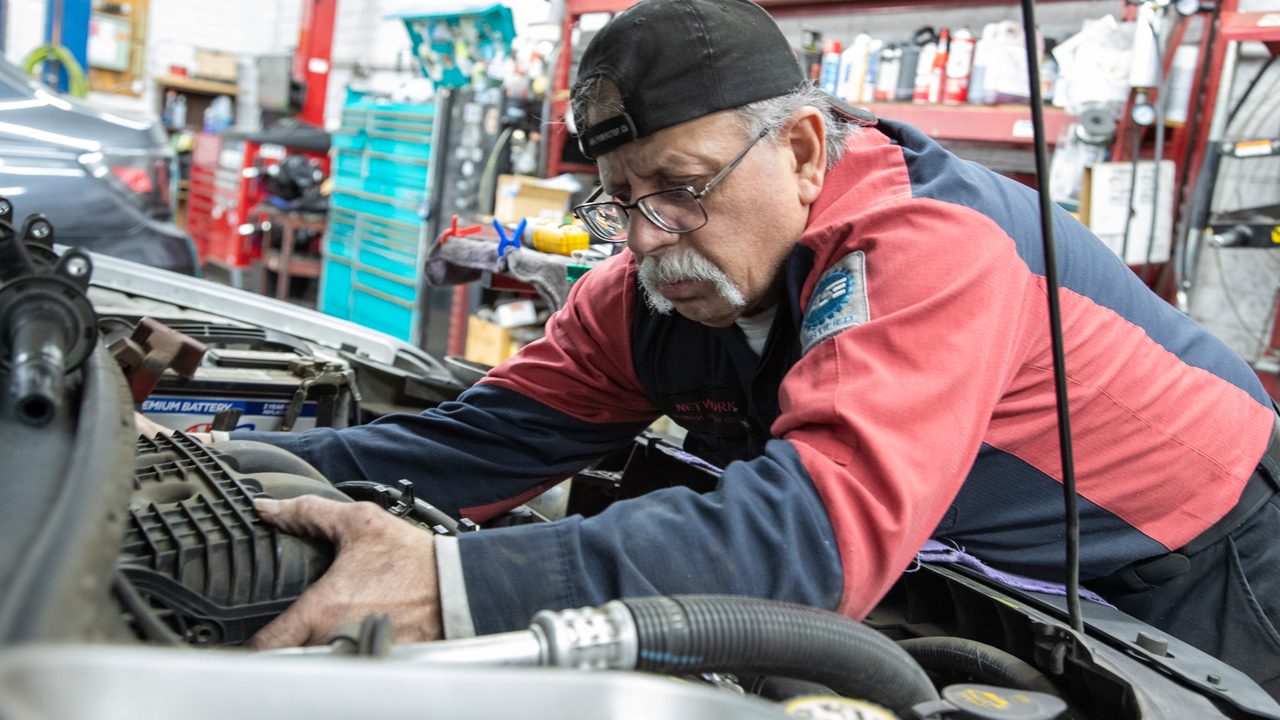
This is a real diagnostic process, not a guess. It's the only reliable way to know whether you need a battery, an alternator, or an electrical repair somewhere else in the car, and it's the difference between fixing the problem once and buying a battery every few months.
The terminals and cables get checked at the same time, since corrosion or a loose clamp can throw off a reading and make a perfectly good battery look weak. A technician will also look at the battery's age and condition against the vehicle's electrical demands; some newer vehicles with more onboard electronics and computer modules are simply harder on a battery than an older, simpler vehicle, which can factor into how long a given battery should reasonably be expected to last.
The Third Jump Start Is the Line
One jump start can happen to anyone; a battery can get drained by a dome light left on overnight or a cold snap that caught an aging battery off guard. The pattern that matters is repetition. If you've needed a jump two or three times in the same month, or a brand-new battery is already struggling again within a few weeks, that's not bad luck. That's a system telling you it can't recover on its own anymore.
At that point, continuing to jump the car and drive is a gamble. A battery that drops dead at a Gilbert intersection, in a parking lot after dark, or on the 202 on-ramp is a safety and convenience problem, not just an inconvenience. The third jump start is a reasonable line for most Gilbert drivers: past that, it's worth having the charging system and battery tested properly rather than hoping the next jump holds.
What the Repair Actually Involves
Once testing identifies the real cause, the fix is usually straightforward:
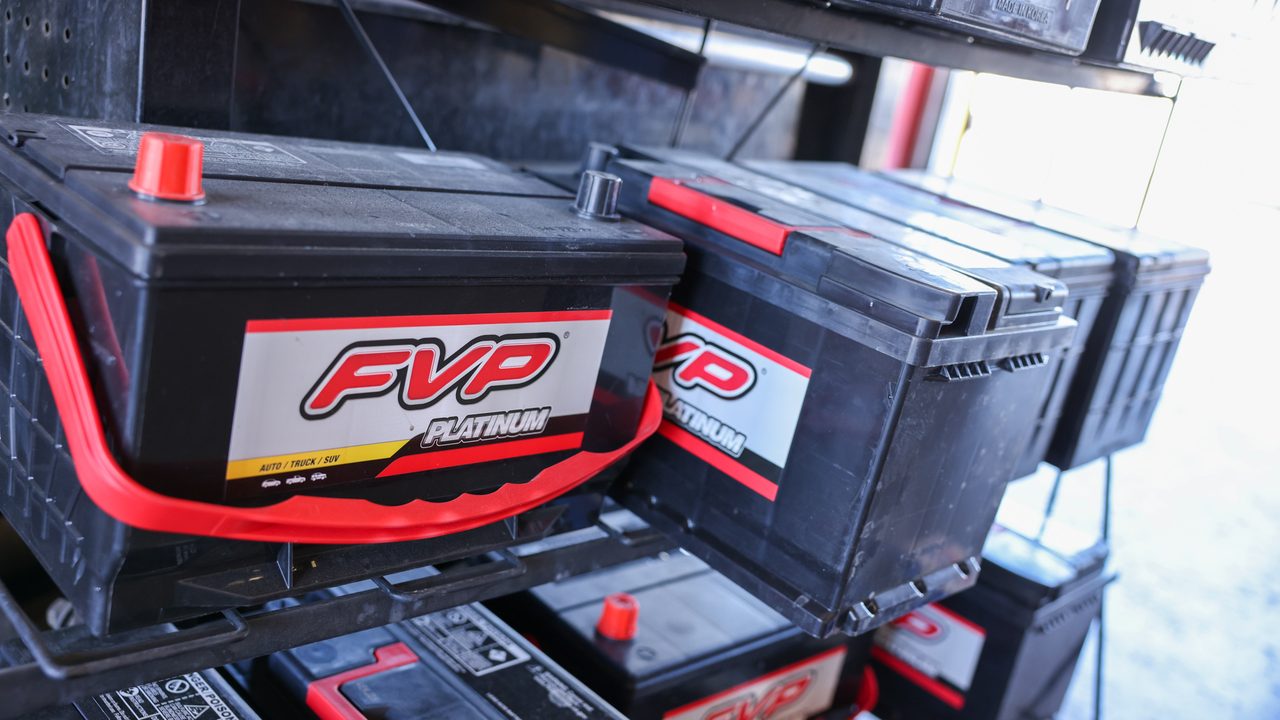
- Bad battery only: straightforward replacement with a battery sized and rated correctly for the vehicle, along with a check of the terminals and cables for corrosion that can mimic a weak battery.
- Failing alternator: alternator replacement, since a battery swap alone won't hold a charge if the alternator can't recharge it during normal driving.
- Parasitic drain: the draw gets traced to the specific circuit or component, and that component (a stuck relay, a bad door or trunk switch, a wiring issue) gets repaired, not the battery.
Corroded battery terminals and loose or frayed cables deserve a specific mention here, because they're an easy miss. A battery, alternator, and wiring harness can all be in perfect working order and a car will still struggle to start if the connection between them is dirty or loose. It's one of the first things checked, and one of the cheapest fixes when it is the cause.
Can You Keep Driving On It?
A car that's starting slower than usual, needing an occasional jump, or showing a dim dash on cold starts can usually still be driven to a shop. What you shouldn't do is keep running errands on a battery that's already failed to start the car once or twice, hoping it holds one more time. Electrical systems don't fail gracefully. A battery or alternator that's marginal today can leave you stranded without much additional warning, and a failing alternator that isn't caught early can also starve other electrical components of stable voltage, which sometimes leads to problems beyond just the battery.
If the car won't hold a jump at all, or the battery terminals are visibly corroded white or green, treat it as a tow-in rather than a drive-in.
Battery, Alternator, or Parasitic Drain: Quick Comparison
| Symptom | Likely Cause | What Confirms It |
|---|---|---|
| Car is fine all day, dead after sitting overnight | Parasitic drain | Parasitic draw test shows above-spec current with the car off |
| Slow cranking that gets worse day by day | Weakening battery | Battery load test shows reduced capacity |
| Dies after a jump within a day or two of driving | Failing alternator | Charging system test shows low output under load |
| Dash lights flicker, headlights dim at idle | Failing alternator | Voltage drops below spec at idle during charging test |
| New battery installed less than a year ago, already weak | Alternator or parasitic drain, not the battery | Charging and draw tests isolate the real source |
Preventing the Next Dead Battery
Once the real cause is fixed, a few habits help a replacement battery actually reach its expected lifespan in Gilbert's climate. Parking in shade or a garage when possible reduces heat soak on the battery and the rest of the engine bay. Keeping terminals clean and the connections tight prevents the slow corrosion that mimics a weak battery. And if a vehicle sits unused for more than a week or two at a time, whether it's a second car or a truck that only comes out on weekends, a trickle charger or battery maintainer keeps it from slowly draining down to the point where it won't start.
It's also worth having the battery and charging system checked at routine maintenance visits once a battery passes the two-year mark, rather than waiting for a slow crank or a no-start to find out it's failing. A load test takes only a few minutes and catches a weakening battery well before it leaves anyone stranded.
What to Do Right Now
If your car battery keeps dying in Gilbert AZ, here's the short version:
- Note the pattern. Is it dead after sitting (points to a drain), or dead after driving (points to the alternator)?
- Check the terminals for visible corrosion and make sure the cable clamps are tight.
- Stop replacing batteries on a guess. If this is the second battery in under two years, or a new battery is already acting weak, the charging system or a drain needs to be tested, not the battery alone.
- Book an appointment at /book-appointment-choose-location/ or call (480) 444-0242 before you're stuck somewhere needing a tow instead of an appointment.
Why Gilbert Drivers Choose Network Automotive
Network Automotive has been family owned and operated since 1995, with ASE-certified technicians who run a full battery, charging system, and parasitic draw test rather than swapping a battery and hoping it sticks. Every repair carries a 24-month / 24,000-mile nationwide warranty, so if something related to the repair comes up again, it's covered. With locations across Mesa, Gilbert, Apache Junction, Queen Creek, and Prescott, a proper diagnosis and the repair itself usually happen in the same visit.
See the full list of what's covered at /services/, or check current offers at /coupons-network-automotive-service-center/.
Service Area
Gilbert drivers dealing with a battery that won't hold a charge can find a Network Automotive location nearby, along with coverage across Mesa, Apache Junction, Queen Creek, and Prescott. For related reading, see Car Battery Replacement in Mesa, AZ, Alternator Replacement in Mesa, AZ, and Common Causes Of Battery Corrosion. Questions about your vehicle specifically? Reach the team at /contact-us/.
Next step
Want this looked at by someone who does it every day?
Book online at any of our six Arizona shops, or call and talk to a real person. Family owned since 1995.