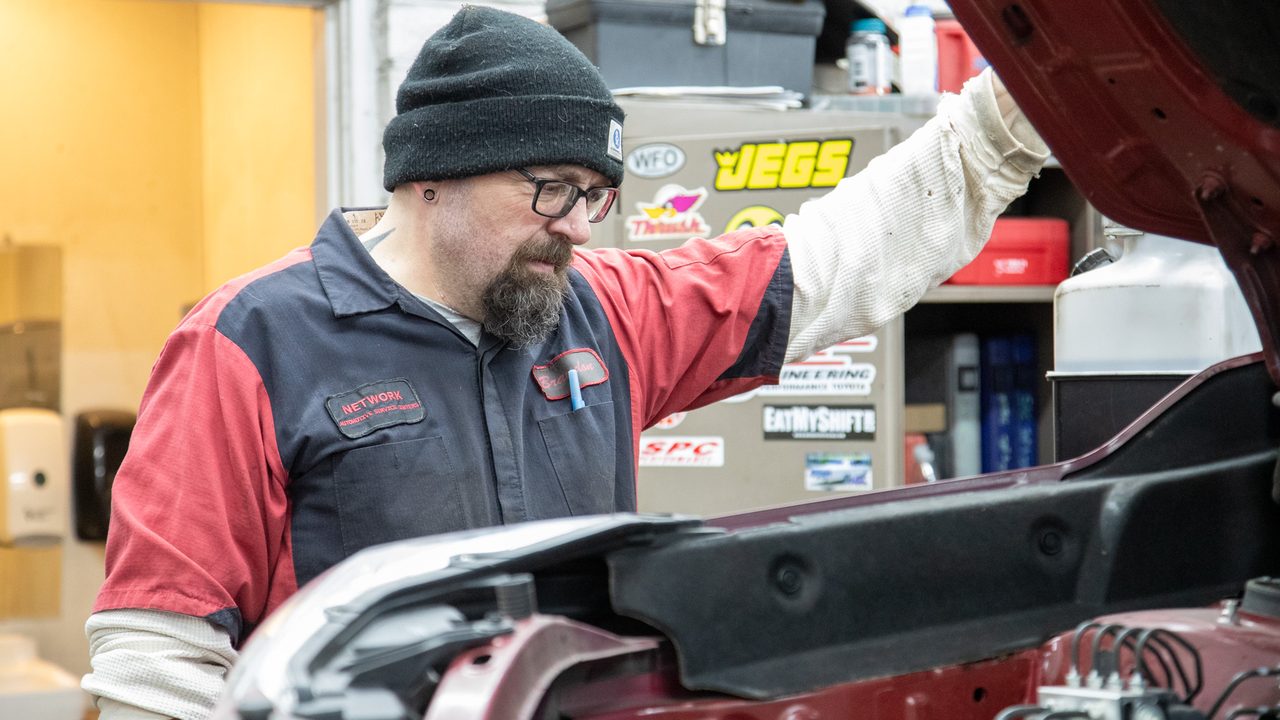
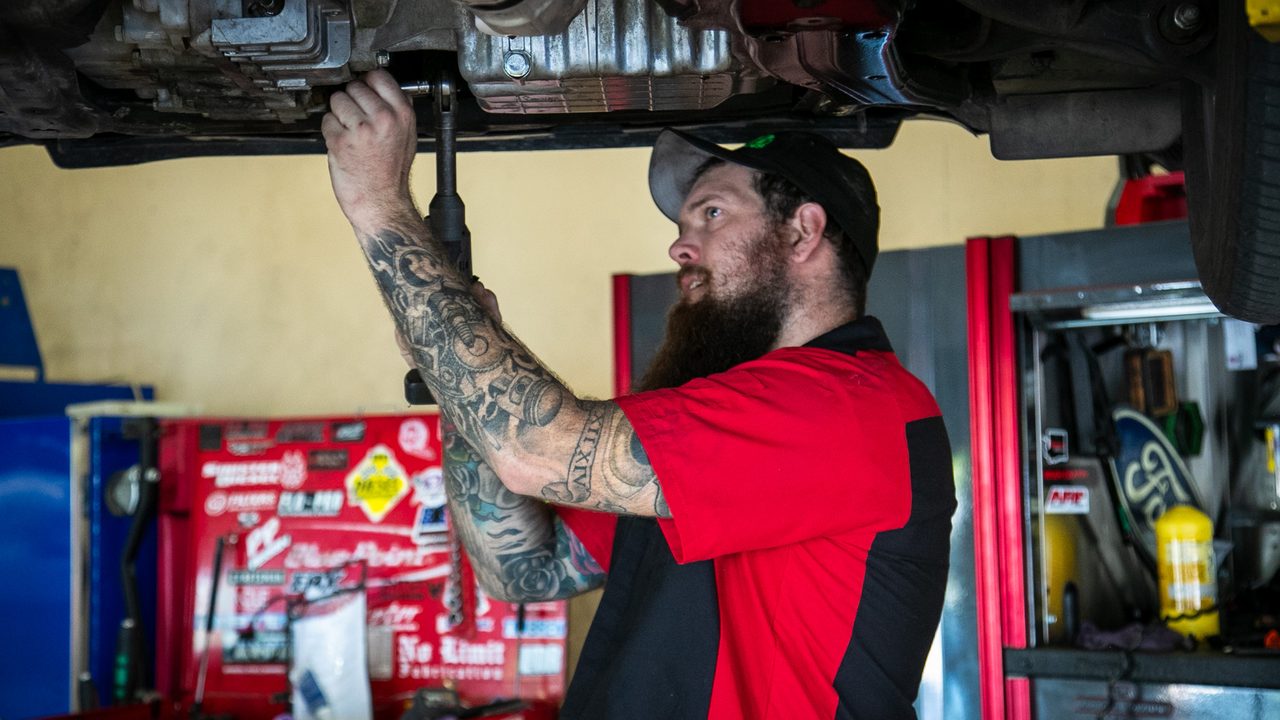
A sudden rumble, rattle, or roar from under your car is one of the most noticeable automotive problems a Gilbert driver will ever hear, and it usually points straight to the exhaust system. Muffler repair in Gilbert AZ covers everything from a loose heat shield that only sounds bad to a blown baffle that is actually leaking exhaust gas, and the difference between those two problems is the difference between a quick fix and a repair that affects your safety and your emissions test. Here is how to tell what is actually happening under your car, what a real repair looks like, and when that new noise stops being an annoyance and starts being a problem you cannot put off.
What Is Actually Making the Noise
The exhaust system is a chain of parts, not a single piece, and each one fails differently. The muffler itself uses internal baffles and chambers to cancel out engine noise. When those baffles rust through or break loose, the sound changes from a quiet hum to a deep rumble or a metallic rattle, because exhaust gas is bouncing around a damaged chamber instead of flowing through it cleanly.
A heat shield is a thin sheet metal cover wrapped around the muffler, catalytic converter, or exhaust pipe to keep heat away from the floor of the car. Heat shields are held on with small clips or bolts that rust and snap in Arizona's heat and dust, and a loose shield vibrating against the pipe creates a buzzing or rattling noise that sounds far worse than it actually is.
A rusted hanger is the rubber-and-metal bracket that suspends the exhaust pipe under the car. When a hanger breaks, part of the exhaust system sags and can scrape the pavement over speed bumps and dips, or vibrate against the frame at idle. And a genuine exhaust leak, whether at a joint, a flex pipe, or a corroded section of pipe, produces a loud, raspy, almost sputtering noise that gets louder under acceleration.
There is also the catalytic converter to consider, since it sits in the exhaust line between the engine and the muffler and has its own internal structure that can rattle or clog. A failing catalytic converter often produces a different sound than a muffler problem, closer to a metallic shaking or a rattle that comes and goes with engine speed rather than a steady rumble, and it can also bring a sulfur-like smell that a simple heat shield or hanger issue never would. A technician checking a noise complaint has to rule the converter in or out before settling on muffler repair as the fix, since replacing the wrong part means the noise comes right back.
Flex pipes are another common failure point that drivers often mistake for a muffler problem. These short, woven-metal sections absorb engine movement and vibration between the manifold and the rest of the exhaust, and they are one of the first parts to crack from repeated flexing combined with heat cycling. A cracked flex pipe produces a loud, raspy noise very similar to a muffler leak, but the repair is a different part in a different location, which is exactly why a hands-on inspection matters more than guessing from the sound alone.
Why Gilbert's Climate Is Hard on Exhaust Systems
Exhaust systems fail from the outside in, and Gilbert's weather accelerates that from both directions. Summer pavement temperatures routinely push well past 150 degrees, and that heat radiates straight up into the exhaust system for months at a time, cooking rubber hangers until they crack and drying out the protective coatings on mounting hardware.
Then the short cool season brings overnight condensation, and that moisture combines with road salt residue, brake dust, and the short trips so common in Gilbert's grid of stop-and-go arterials like Val Vista Drive and Baseline Road. Short trips matter more than most drivers realize, because an exhaust system needs sustained heat to fully boil off condensation inside the pipes. A car that only goes a few miles at a time before shutting off never gets hot enough for long enough, so moisture sits inside the muffler and accelerates rust from the inside out, which is exactly why mufflers often fail from within before any exterior damage is visible.
Washboard-style road imperfections and speed bumps around Gilbert's neighborhoods also stress already-weakened hangers and clips, which is often the final straw that drops a marginal heat shield or lets a half-rusted hanger finally give way.
Repair vs. Full Replacement
Not every noisy exhaust needs a new muffler. A loose heat shield can usually be re-clamped, re-clipped, or in some cases trimmed and secured if the metal itself is too rusted to hold a fastener. A broken hanger is a straightforward swap of the rubber isolator or bracket, and it is usually inexpensive compared to the noise it causes.
A small leak at a joint or gasket can sometimes be sealed or have that one section replaced rather than the whole system. But once a muffler's internal baffles have collapsed, or a section of pipe has rusted through in multiple spots, patching it is a short-term fix at best. The table below is a general guide to what a technician typically looks at when deciding between a targeted repair and a full exhaust section replacement.
Age and overall rust condition matter just as much as the specific symptom. A muffler that is otherwise solid but has one weak seam can often be welded or have that seam resealed, which costs far less than a full replacement. But once surface rust has progressed to flaking, pitted metal across most of the muffler shell, any repair in that area risks creating a new hole a few inches from the one just fixed, since the surrounding metal is just as thin. In that situation, replacing the whole muffler section is usually the more cost-effective choice over the life of the car, because it avoids a return trip for the next spot that gives out.
| Symptom | Likely Cause | Typical Approach |
|---|---|---|
| Rattling at idle, worse when cold | Loose heat shield | Re-secure or replace shield |
| Clunking over bumps, sagging pipe | Broken or rusted hanger | Replace hanger/isolator |
| Deep rumble that grows louder over weeks | Collapsing muffler baffle | Muffler replacement |
| Raspy, sputtering noise under acceleration | Leak at a joint, flex pipe, or pinhole rust | Section repair or pipe replacement |
| Loud roar plus a burning smell inside the cabin | Leak near the manifold or a cracked exhaust pipe | Inspect urgently, repair the leak point |
How a Shop Actually Diagnoses It
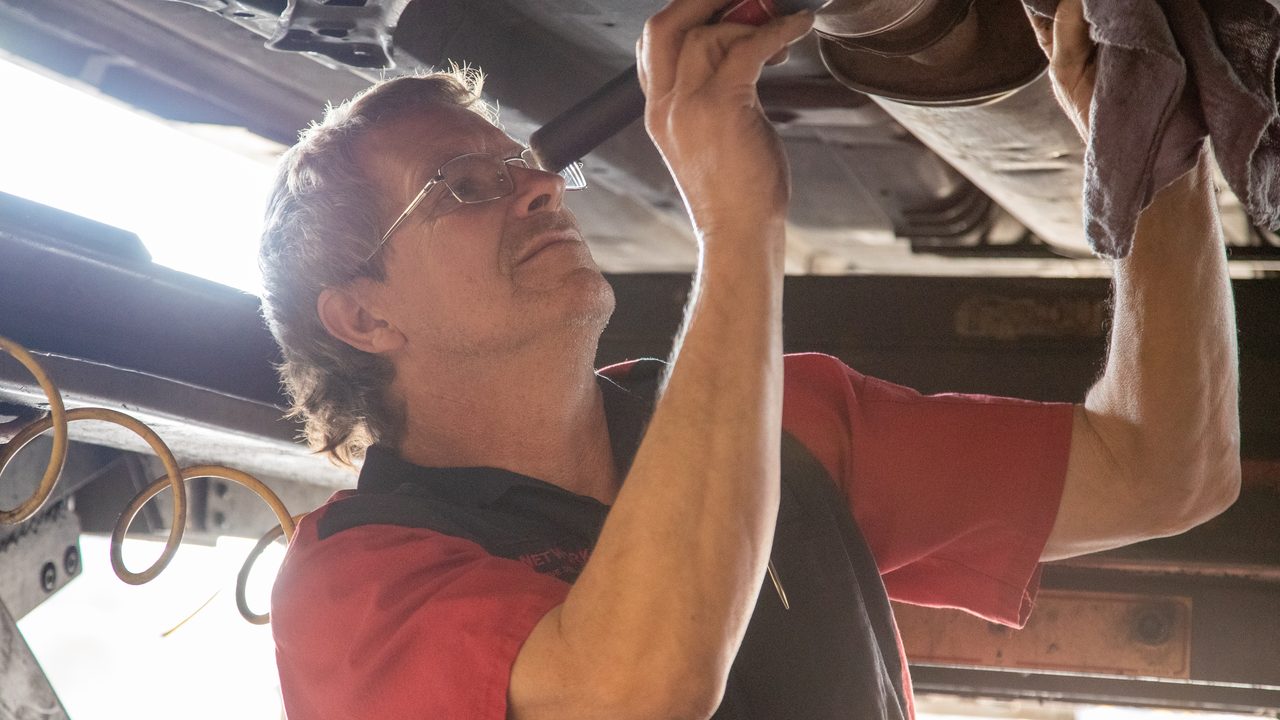
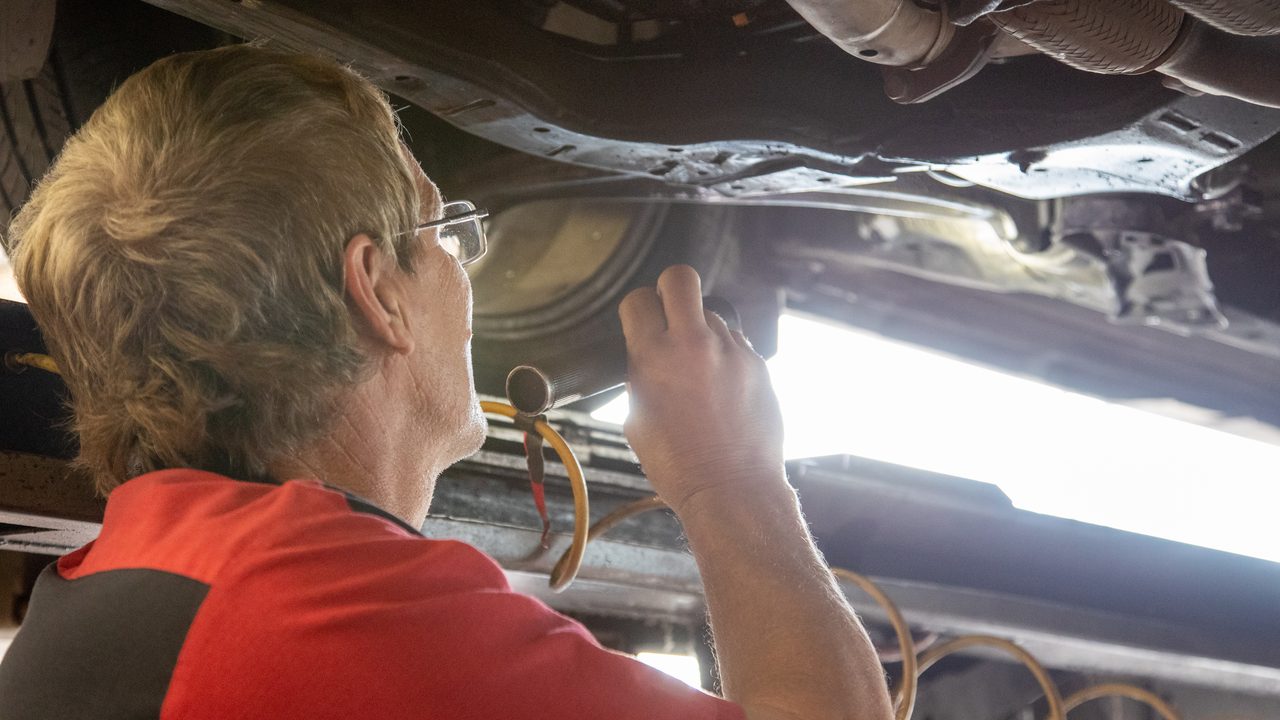
Diagnosing an exhaust noise properly means getting the car on a lift, not just listening to it idle in a parking lot. A technician runs the engine while the car is raised, moving along the entire system by hand and by ear, checking for loose heat shields, listening and feeling for leaks at every joint and weld, and inspecting hangers for rust-through or cracking.
They will also check whether the noise is isolated to the exhaust itself or whether it is coming from somewhere else entirely, since worn engine mounts, a failing wheel bearing, or even a loose piece of trim under the car can mimic an exhaust rattle. A visual inspection paired with a hands-on check while the system is warm is the only reliable way to pin down the exact failure point, which is why this is a diagnostic fee service rather than something that can be guessed over the phone.
Technicians also pay attention to where along the exhaust line a noise originates, since that location often narrows down the cause before any tools come out. A rattle near the front of the car, close to the manifold, points toward a heat shield on the catalytic converter or a cracked flex pipe. A rattle further back, under the passenger cabin or near the rear bumper, is more often the muffler itself or one of the rear hangers. Walking the length of the system while it idles, rather than only looking at the tailpipe end, is what separates a thorough inspection from a guess.
A smoke test is sometimes used on harder-to-find leaks, where a technician introduces a small amount of smoke into the exhaust system with the engine off and watches for where it escapes. This is especially useful for small pinhole leaks or cracked welds that are not loud enough to hear clearly but still let exhaust gas and smell escape before the muffler, since those tiny leaks rarely show up just from listening with the engine running.
Preventing the Next Exhaust Problem
Exhaust systems do not usually fail all at once, which is actually good news for a driver who catches the warning signs early. A rusted hanger that is caught before it snaps costs very little to replace, and a heat shield that is re-secured before it rattles loose and falls off entirely is a minor repair rather than a lost part on the freeway.
Having the undercarriage looked at during routine maintenance visits, such as an oil change or a brake service, is one of the easiest ways to catch exhaust wear early, since a technician working underneath the car for another reason will often notice a weakening hanger, a shield starting to loosen, or surface rust forming on the muffler long before it becomes a noise complaint. Gilbert's dusty conditions also mean road grit builds up around exhaust joints and clamps over time, and that trapped grit holds moisture against the metal longer than a clean joint would, so a periodic rinse of the undercarriage after dusty driving can help slow that corrosion process.
Drivers who mostly make short trips around Gilbert, rather than longer freeway stretches, should also be aware that their exhaust system rarely reaches full operating temperature long enough to burn off internal condensation. There is no need to take unnecessary long drives purely for exhaust health, but it is worth knowing that a car used mostly for short errands is statistically more likely to develop internal muffler rust sooner than a car that regularly gets a sustained highway run.
Is It Urgent, or Can You Keep Driving?
A loose heat shield buzzing against a pipe is annoying but not dangerous, and most drivers can schedule that repair at their convenience. A sagging hanger that lets the exhaust scrape the ground is more urgent, both because it can snap a connection entirely at highway speed and because a dragging pipe is a road hazard for other drivers.
An actual exhaust leak is the one that should not wait. Exhaust gas contains carbon monoxide, and a leak anywhere near the firewall or floor pan can let that gas enter the cabin, especially with the windows up and the AC recirculating air, which is common practice during Gilbert summers. If you notice a new rumble combined with any smell inside the car, or if the noise is sharply louder under acceleration, treat it as something to get looked at promptly rather than something to live with for another few weeks.
What To Do Right Now
If you are hearing a new noise, start by paying attention to when it happens. Note whether it is loudest at idle, under acceleration, or over bumps, and whether it changes with engine temperature. That detail helps a technician narrow down the cause faster once the car is on the lift.
Avoid driving with the windows down trying to "listen it out" on the freeway, since a genuine leak is worse at speed, not better. If the car is dragging a visibly disconnected pipe, it is safer to have it towed than to drive it in, since a hanging section of exhaust can catch on something and cause further damage or a hazard to the car behind you.
Emissions and Legal Considerations
A damaged exhaust system is not just a noise problem in Arizona. A cracked or leaking exhaust pipe upstream of the catalytic converter can throw off the oxygen sensor readings the engine computer relies on, which can trigger a check engine light and cause a failed emissions test. Arizona's emissions program also checks for excessive exhaust noise and visible leaks as part of a basic visual inspection, so a muffler held on with wire or a section with an open leak can be enough to fail a Gilbert driver's emissions renewal before the testing equipment even gets involved.
Getting the exhaust repaired correctly the first time avoids a second trip to the testing station and keeps the sensors reading the exhaust stream Network Automotive's technicians expect to see when they tune a repair to the actual vehicle.
Why Choose Network Automotive
Network Automotive has been family owned and operated since 1995, with ASE-certified technicians across six Arizona locations, including Gilbert. Every repair is backed by a 24-month / 24,000-mile nationwide warranty, so a muffler, hanger, or exhaust section repair is covered well beyond the day you drive off the lift. Technicians inspect the full exhaust system, not just the loudest symptom, so a visit for a rattling heat shield also catches a hanger that is close to failing before it strands you somewhere less convenient.
Service Area
Network Automotive serves Gilbert and the surrounding East Valley, including Mesa, Apache Junction, and Queen Creek drivers who notice the same heat-and-dust wear pattern on their exhaust systems. See the full list of services offered at every location, and check current coupons before your visit.
If your check engine light came on alongside a new exhaust noise, it is worth reading about how a failed emissions test in Gilbert often traces back to the exhaust system. For background on why mufflers matter beyond just noise control, see Are Mufflers Important? and Why Is My Exhaust Rattling?.
Book an appointment at /book-appointment-choose-location/ or call (480) 444-0242 to get a rattling, roaring, or dragging exhaust looked at before it turns into a bigger repair or a failed emissions test.
Next step
Want this looked at by someone who does it every day?
Book online at any of our six Arizona shops, or call and talk to a real person. Family owned since 1995.