If your car has started to feel floaty over dips, bouncy after bumps, or nose-heavy when you brake, there is a good chance your shocks or struts are wearing out. They are the parts that keep your tires planted and your ride controlled, and when they fade, the whole car feels older than it is. The good news is that replacing them transforms how a vehicle drives. The catch is that not all shocks and struts are the same, and choosing the right ones matters. Here is what Chandler area drivers should know before replacing them, and how a good auto repair shop helps you get it right.

What Shocks and Struts Actually Do
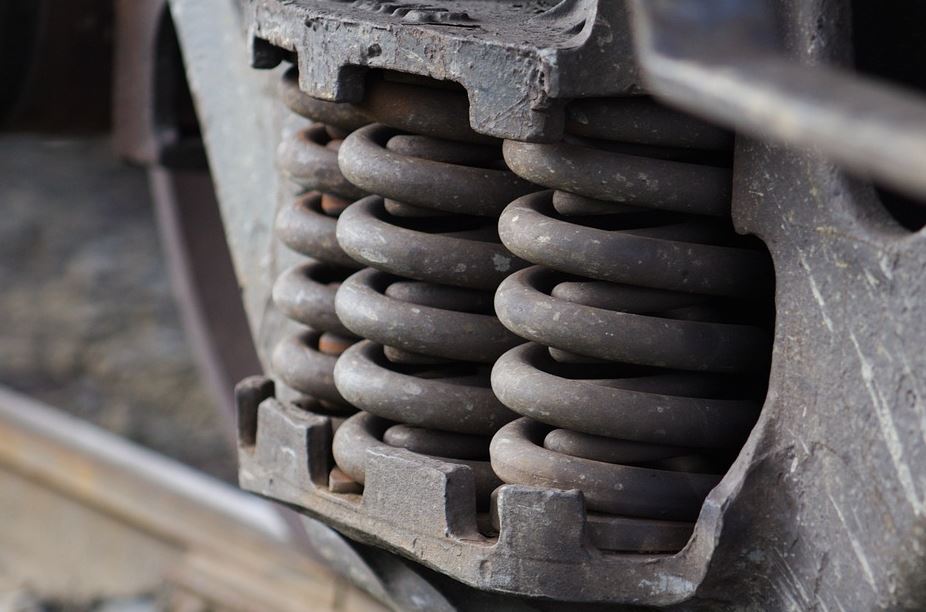
Springs absorb bumps, but without dampers your car would keep bouncing long after the bump is gone. Shocks and struts are those dampers. They control the movement of the springs so the tires stay in contact with the road, the body stays level in corners, and braking forces settle quickly instead of pitching the car forward.
Shocks and struts are not interchangeable terms. A shock absorber is a standalone damper, while a strut is a structural part of the suspension that combines the damper with a spring and supports the vehicle’s weight. Most vehicles use struts in the front and either shocks or struts in the rear, and your car must be fitted with the type its suspension was designed around.
Signs Yours Are Worn Out
- The car keeps bouncing after you cross a dip or speed bump
- The nose dives when you brake or the rear squats hard when you accelerate
- The body leans noticeably in corners or feels unstable in wind
- You see fluid leaking down the side of a shock or strut
- Tires develop scalloped or cupped wear patterns
- You hear clunks or knocks over bumps
Any of these is reason for an inspection. Worn dampers do not just hurt comfort. They increase stopping distance and reduce your control in emergency maneuvers, because a tire that is bouncing is a tire that is not gripping. More on these symptoms lives in our suspension, wheels, and tires section.
Match the Part to Your Vehicle First
The starting point for choosing shocks and struts is your exact vehicle: year, make, model, and often trim level and suspension package. Two versions of the same truck can take different parts. Getting the correct fitment is not optional, because a damper with the wrong length or valving changes ride height and handling, and a strut that does not match can affect alignment geometry.
From there, quality matters. Replacement dampers range from budget units to premium parts that meet or exceed the original equipment specification. A quality set generally rides closer to the way the vehicle felt when it was new and lasts longer before fading. This is an area where the cheapest option often disappoints, because a marginal damper can feel tired again surprisingly quickly.
Match the Part to How You Drive
Once fitment is settled, think about your actual driving:
- Mostly commuting and errands? A quality standard replacement restores the comfortable, controlled ride the car came with.
- Towing or hauling loads? Heavy-duty or load-adjusting options keep the rear from sagging and wallowing when the vehicle is loaded.
- Rough roads or dirt on your route? Firmer, more durable dampers handle repeated hard hits better.
- Want sharper handling? Performance-oriented dampers trade a little softness for more control.
Arizona driving adds a wrinkle worth mentioning. Our extreme heat is hard on the seals and fluid inside dampers, and washboard surfaces, expansion joints, and monsoon-season debris give the suspension plenty of sharp hits. Durable, well-built parts pay off here. If you are not sure which direction fits your situation, call us at (480) 444-0242 and describe how and where you drive. That conversation usually narrows the choice quickly.
Why Professional Installation Matters
Strut replacement in particular is not a casual driveway job. Struts bear the vehicle’s weight, and the springs they contain store enough energy to cause serious injury if compressed incorrectly. Beyond safety, struts affect wheel alignment, so a proper job includes checking and setting the alignment after installation. Skip that step and your brand new suspension can start eating tires immediately.
A professional shop also inspects the parts around the dampers, mounts, bushings, sway bar links, and tie rods, because these small components often wear at the same time. Replacing them together saves labor and prevents that frustrating experience of paying for new struts and still hearing a clunk.
Replace in Pairs and Plan the Whole Job
Shocks and struts should be replaced in pairs on the same axle, both fronts together or both rears together. Installing one new damper next to one worn damper leaves the two sides of the car responding differently to the same bump, which hurts stability and can feel worse than the problem you started with. If the vehicle is older and all four corners are original, it is worth having all four evaluated at once, since the rears rarely lag far behind the fronts.
Planning the whole job also means thinking about the parts that come off during the work. On many vehicles, strut mounts, bearing plates, and bump stops are inexpensive to replace while the strut is already out, and skipping them can mean paying the same labor twice later. Your shop should walk you through what is worth doing while everything is apart and what can safely wait.
Finally, budget for the alignment at the end. It is not an upsell; it is the step that protects your tires and makes the new suspension deliver what you paid for. A complete quote should include it from the start, so there are no surprises when you pick the car up.
Ride Comfort Is a Phone Call Away
If your car floats, bounces, or leans its way through every drive, new shocks or struts can make it feel years younger. Network Automotive Service Center has been family-owned since 1995, and we help East Valley drivers choose parts that fit their vehicle, their roads, and their budget. Take a look at our services and current coupons, then call (480) 444-0242 to schedule a suspension inspection.