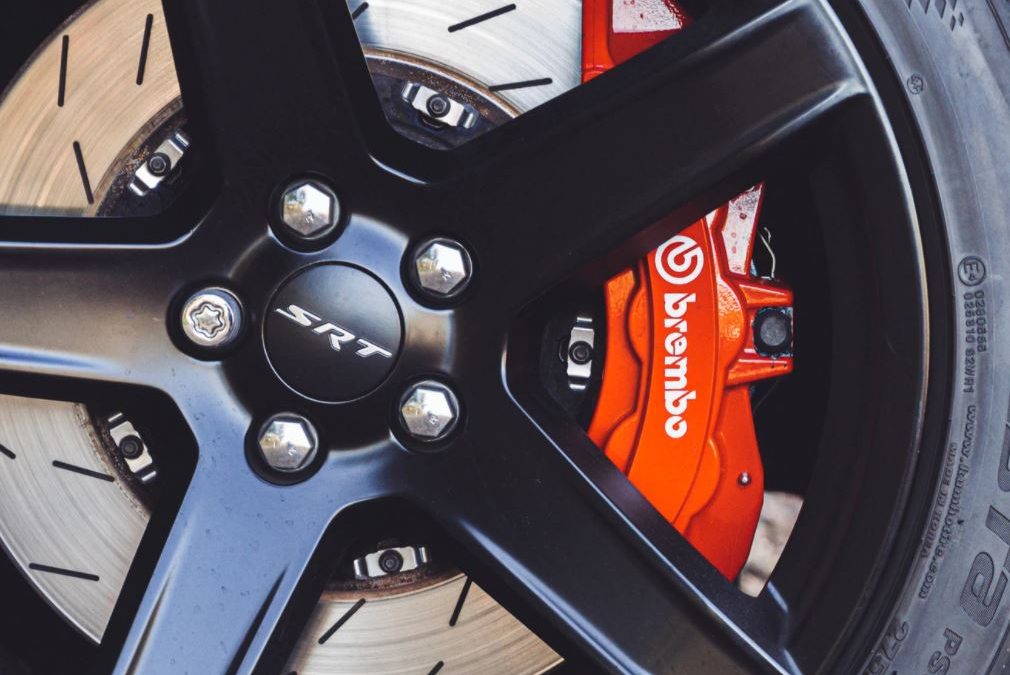
by | Jan 4, 2021 | Brakes
When you have a vehicle, you want to do everything possible to take good care of it and make sure it is ready to get you where you need to go. You will likely experience some car problems at some point in your life and you will want to make sure if something goes wrong you will have it repaired in a timely manner. One common vehicle issue is grinding brakes. You brakes are an important part of your car and if they aren’t working as they should it can be a safety hazard. If your car’s brakes are grinding, be sure to take it to a Mesa, AZ auto repair shop. Here are some other things you should do.
Park It
You don’t want to drive your car if the brakes are not working or if they seem to be making a lot of noise when you try to stop. Your brakes are one of the most important safety aspects of your vehicle. If they don’t work, you may not be able to stop when needed, which can lead to an accident. Grinding brakes could stop working at any time and you don’t want to take the chance. If you can’t take your car to the shop immediately, you should park your car until you can.
Schedule A Service Appointment
As soon as you notice that your vehicle is making noises and your brakes are grinding you need to schedule an appointment at a shop and get it repaired as soon as possible. The longer you let the problem go on, the worse it will become. It could cause more damage to your brakes and caliper and even cause problems with your rims. Working on the problem immediately will help reduce the severity of the issue and could even help you save money on repairs.
Drive Smart
 Once you have your new brakes put on your car you will want to make sure are driving smart and aren’t slamming on your brakes. While this is sometimes necessary, you should avoid it as much as possible. When you do this, it makes it harder for the brakes to stop and they can become damaged and worn down faster. Driving carefully and avoiding hitting the brakes too hard will cause your vehicle to need new brakes les often and help save you money and time on repairs.
When it comes time to get your car repaired, you will need to find a Mesa, AZ auto repair shop that can make them for you. If your brakes are making griding noises, you may be wondering what you should do. Don’t panic, but also don’t take a chance of driving it. If you need some help you can make an appointment at Network Automotive Service. We are here to help with all your car repair needs. We can fix your brakes and help get you back on the road quickly. Give us a call today to learn more.
by | May 4, 2020 | Brakes
Your rotors are an important part of your vehicle and they need to be maintained and changed just like other parts. If they arent working properly or are old and damaged, they may fail to stop your car and could even lead to an accident. If you need new rotors, you can have them installed by a Chandler, AZ auto repair center. Here are some signs that you may need new rotors.
Read also: How To Choose The Right Shocks And Struts At Chandler, AZ Auto Repair Shop
The Car Shakes When You Hit The Brakes
If you notice that our car is starting to shake or feel jittery when you hit the brakes, it could be a sign that the rotors are bad. The rotors can become shredded and get deep ridges in them. This causes the car to shake as the brakes grind across these ridges and deep marks. It may start out as a light shake, but the longer you let the problem go, the worse the shake will become. Eventually, the rotors can even cause the brakes and wheels to lock up so the car cant be driven.
Loud Grinding Sounds
When your rotors stop working you can usually hear it. It sounds like a grinding sound or can also sound like metal sliding or grinding against another metal. This means the rotors are starting to become damages and are preventing the brakes from working as well as they should. As soon as you start to hear strange sounds coming from your rotors or brakes you need to make an appointment with a repair center to have the rotors replaced.
Read also: Car Pulling To One Side? You May Need An Alignment From A Chandler, AZ Auto Repair Center
Grooves On The Rotors
Sometimes you can just look at the rotors and tell that they are damaged. New rotors or rotors that are in good condition will appear smooth and even feel smooth if you touch them. If you can see deep ridges or crevices on the rotors or if they feel rough or have deep lines, you may need to replace them. Most people hear and feel the results of a bad rotor before they ever see them. Its only after they hear the noises or feel the car shaking that they get out and check them. Remember not to touch the rotors if you have been driving the car. They can get very hot and could burn you.
If you think you may be noticing signs that your rotors are bad and you need to have them replaced, be sure to contact a Chandler, AZ auto repair center. Network Automotive Service Center can assist you with all types of car repairs. If your rotors are bad, you shouldnt be driving on them. They can prevent your car from stopping properly and could even cause more mechanical problems that can become much more costly. If you are ready to get your rotors replaced, give us a call or stop by today. You can make an appointment and we will make the repairs quickly and efficiently so you can get back on the road again in no time.

by Network Automotive | Mar 2, 2020 | Brakes
Brakes are the one system on your vehicle where “I’ll deal with it later” is never the right answer. Unlike a weak battery or a worn wiper blade, failing brakes put you, your passengers, and everyone around you at risk every time you drive. The good news is that brakes almost always give clear warnings before they become dangerous. If you know what to listen and feel for, you can get to a Mesa, AZ auto repair shop while the fix is still simple and affordable.
Sounds That Mean Your Brakes Need Attention
Your ears are the first line of defense when it comes to brake health. Pay attention to these noises:
- High-pitched squealing. Most brake pads include a small metal wear indicator that squeals against the rotor when the pad material gets thin. This sound is a built-in reminder, and it means it is time to schedule an inspection soon.
- Grinding. A harsh metal-on-metal grind usually means the pad material is gone entirely and the backing plate is contacting the rotor. At this stage, every stop is damaging the rotors and driving up your repair cost. Do not wait on a grinding noise.
- Clicking or rattling. Loose hardware, worn clips, or a pad shifting in its bracket can cause rattles when you apply or release the brakes.
One caution for Arizona drivers: a light squeak first thing in the morning is sometimes just surface dust or moisture burning off. If the noise disappears after a stop or two, it is usually harmless. If it persists or gets louder, get it checked.
What Your Brake Pedal Is Telling You
The pedal itself communicates just as much as the noises do. A soft or spongy pedal that sinks farther than usual before the brakes engage can indicate air in the brake lines, aging brake fluid, or a hydraulic problem. A pedal that pulses or vibrates under your foot, especially during highway braking, often points to rotors that have worn unevenly. And if you have to press harder than you used to for the same stopping power, the system is losing effectiveness somewhere.
None of these symptoms fix themselves. Hydraulic issues in particular deserve immediate attention because they can worsen suddenly rather than gradually.
Other Warning Signs Drivers Often Miss
Beyond sound and pedal feel, watch for these subtler clues:
- The vehicle pulls to one side when braking. This can mean a sticking caliper or uneven pad wear from side to side.
- Longer stopping distances. If you find yourself braking earlier for the same intersections, trust that instinct.
- A burning smell after braking. An overheated brake or a dragging caliper produces a sharp chemical odor. Pull over safely and let the brakes cool before continuing.
- The brake warning light. This can indicate low fluid, a system fault, or an engaged parking brake. Never ignore it.
Why East Valley Driving Is Hard on Brakes
Mesa traffic is a brake wear machine. Daily stop-and-go driving on the US 60 and the Loop 202, school pickup lines, and constant traffic signals mean your pads are working far more often than they would in rural driving. Add triple-digit summer heat and the picture gets tougher. Brake systems shed heat to the surrounding air, and when that air is 115 degrees, everything runs hotter. Heat accelerates pad wear, breaks down brake fluid faster, and increases the chance of warped rotors.
That is why brake components in the Phoenix metro area often need service sooner than the mileage estimates you see online, which are usually based on milder climates and lighter traffic. Regular inspections matter more here, not less. For more on how the system wears and what maintenance helps, browse our brake repair articles.
What a Professional Brake Inspection Covers
A thorough brake inspection goes well beyond a quick glance at the pads. A technician will measure pad thickness at all four corners, check rotors for wear, scoring, and thickness variation, inspect calipers for sticking or leaks, examine brake lines and hoses for cracks or seepage, and test the condition of the brake fluid itself. Brake fluid absorbs moisture over time, which lowers its boiling point and can corrode components from the inside.
The result is a complete picture of the system, so you can make informed decisions. Sometimes the answer is simply new pads. Sometimes rotors can be resurfaced rather than replaced. An honest inspection tells you what is actually needed and what can safely wait. If you are not sure whether your symptoms warrant a visit, call us at (480) 444-0242 and describe what you are hearing and feeling. We are happy to help you figure out the next step.
How Long Do Brake Pads Last?
There is no single mileage answer, because pad life depends on the vehicle, the pad material, and above all the driving. A car that spends its life on the open highway may see its pads last several times longer than the same car driven exclusively in city traffic. In the East Valley, where signals, school zones, and freeway congestion dominate daily driving, plan on the shorter end of any range you read online.
Driving habits move the needle more than anything else. Smooth, early, gradual braking extends pad life dramatically, while late hard stops and riding the brake pedal in traffic eat pads quickly. Towing, carrying heavy loads, and frequent trips through hilly terrain all shorten pad life as well. The most reliable approach is not guessing from mileage at all. It is having pad thickness measured during routine services, such as oil changes and tire rotations, so you always know how much material is left and can plan the replacement on your schedule instead of the brake system’s schedule.
Do Not Gamble on Your Brakes
Every other repair on your car is about convenience and cost. Brakes are about safety. If your vehicle is showing any of the signs above, have it inspected promptly rather than hoping the symptom goes away. Caught early, brake service is routine and reasonably priced. Caught late, it gets expensive, and in the worst case it can mean not stopping in time.
Network Automotive Service Center is family-owned and has been serving East Valley drivers since 1995. Take a look at our services, then call (480) 444-0242 to schedule your brake inspection. We will get you back on the road with confidence in every stop.