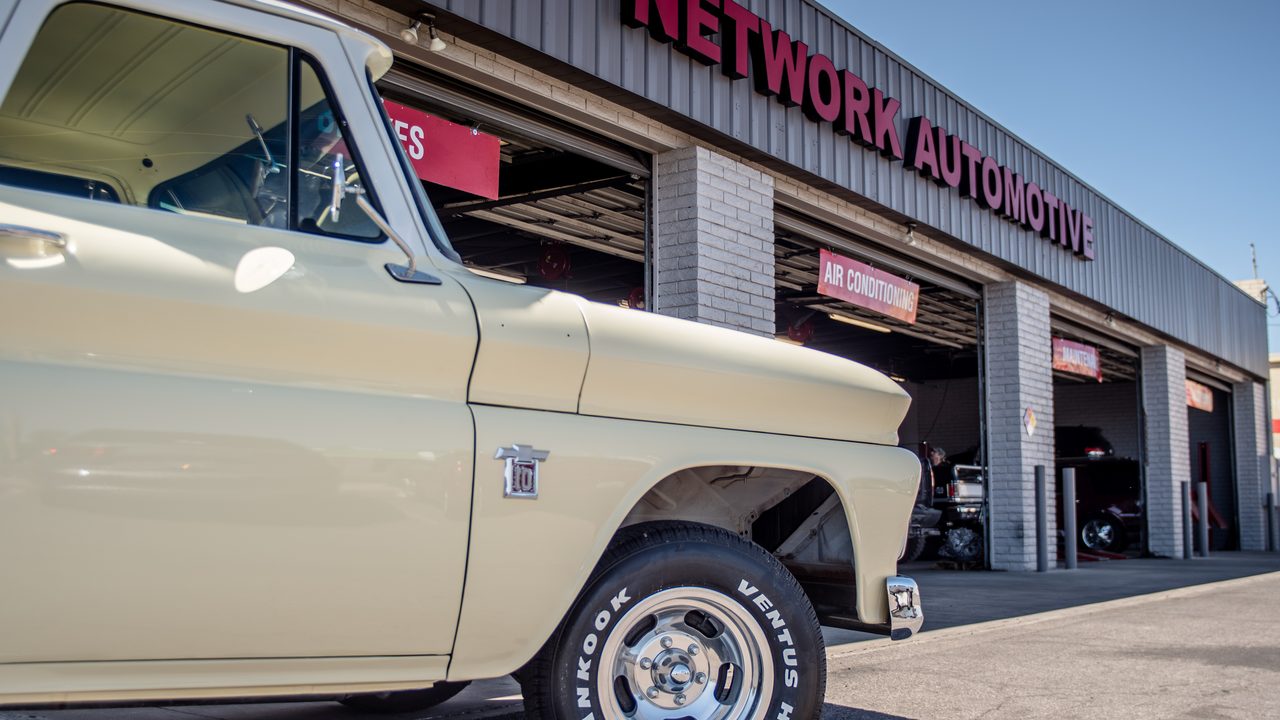
At some point, many of us take over the car questions for our parents. Maybe Dad is not comfortable crawling under the hood anymore, or Mom mentions a noise her car has been making for months, and you realize nobody has looked at it. Helping elderly parents with vehicle care is one of those quiet responsibilities that sneaks up on families, and it matters more than most people think: for older drivers, a reliable car is independence itself. The right Mesa, AZ auto repair shop can carry most of that load for you. Here is why partnering with a trusted local shop is one of the best things you can do for your parents, and what to look for when you choose one.
Reliability Is a Safety Issue for Older Drivers
A breakdown that is an inconvenience for a thirty-year-old can be a genuine emergency for an eighty-year-old. Standing on the shoulder of a Mesa road in July heat is dangerous for anyone, and far more so for someone with health concerns or limited mobility. Regular professional maintenance dramatically reduces the odds of a roadside failure by catching weak batteries, worn belts, aging hoses, and low fluids before they strand anyone.
Arizona adds urgency here. Our summer heat kills car batteries faster than almost anywhere, often with little warning, and an older driver stuck in a hot parking lot with a car that will not start is exactly the scenario a routine battery test exists to prevent.
Tires deserve special mention. Older drivers often put so few miles on a car that the tread looks fine long after the rubber itself has aged and hardened, and aged tires lose grip even with plenty of tread remaining. Ask to have tires evaluated by age as well as wear, and make sure the spare or inflation kit is actually usable.
Vehicles Driven Gently Still Age
Many older drivers put very few miles on their cars, and families assume low mileage means low maintenance. It does not work that way. Time degrades vehicles independently of mileage:
- Rubber components like belts, hoses, and tires dry out and crack, a process our desert heat accelerates.
- Fluids absorb moisture and break down even when the car sits.
- Batteries age chemically whether or not they are used.
- Short, infrequent trips never fully warm the engine, which is actually harder on oil than regular driving.
A car that only goes to church and the grocery store still needs scheduled service. In some ways it needs it more, because problems have fewer chances to reveal themselves before they become failures.
A Good Shop Becomes a Second Set of Eyes
Older drivers sometimes miss, or quietly tolerate, symptoms that deserve attention: brakes that need more pedal pressure, a pull to one side, a slipping shift. When the same shop services your parents’ car regularly, technicians notice these changes and flag them. Systems like brakes, steering, and tires are exactly where gradual wear intersects with driver safety, and where an honest professional inspection protects people who may not notice the decline themselves.
This is also where adult children get peace of mind. Instead of wondering whether Mom’s car is safe, you know it was inspected by someone whose job is to check.
Look for a Shop That Communicates With Family
The best arrangement for many families is a triangle: the parent brings the car in, and the shop is happy to explain findings and recommendations to a son or daughter by phone. When you are evaluating a shop for your parents, ask about exactly that. A trustworthy shop will welcome the conversation, explain what needs doing now versus what can wait, and never pressure an older customer into work they do not understand. A shop that knows the family can also keep things simple on logistics, like knowing who to call with questions before work begins. If you want to talk through your parents’ vehicle and how to set up that kind of relationship, call Call a Shop and have that conversation before the first appointment.
A few other things worth looking for: a shop close to where your parents live or where family can easily help with drop-off, clear written estimates, and patience in explaining repairs in plain language rather than jargon.
Practical Ways to Make It Easy for Everyone
A few logistics turn good intentions into a system that actually happens:
- Put service on the calendar, not on memory. Tie maintenance visits to fixed points like birthdays or registration renewal so they are never skipped by accident.
- Keep records in one folder. A simple envelope in the glovebox with invoices gives any family member, and the shop, the full picture at a glance.
- Combine trips. Schedule service when a son or daughter can drive the second car, so nobody waits alone.
- Agree on a spending threshold. Decide together that repairs above a certain amount trigger a family conversation first, which protects parents from pressure anywhere they take the car.
- Check the basics between visits. When you visit your parents, a thirty-second walk around the car for tire condition, lights, and new dents tells you a lot.
Why Families Choose a Long-Standing Local Shop
Trust is the entire game when someone else is caring for your parents’ car. A shop that has served the same community for decades has a reputation it protects with every repair. Network Automotive Service Center has been family-owned since 1995, and being a family business shapes how we treat other families: we service plenty of vehicles that belong to customers’ parents, and we understand that the person paying attention to the invoice may not be the person driving the car. You can read more about who we are on our about page.
Helping your parents keep a safe, reliable car does not require you to become a mechanic. It requires a shop you trust, a regular maintenance rhythm, and open communication. If you are ready to set that up, explore our services or call Network Automotive Service Center at Call a Shop. We will help you keep the people you love safely on the road, and take one recurring worry off your plate.
Next step
Want this looked at by someone who does it every day?
Book online at any of our six Arizona shops, or call and talk to a real person. Family owned since 1995.