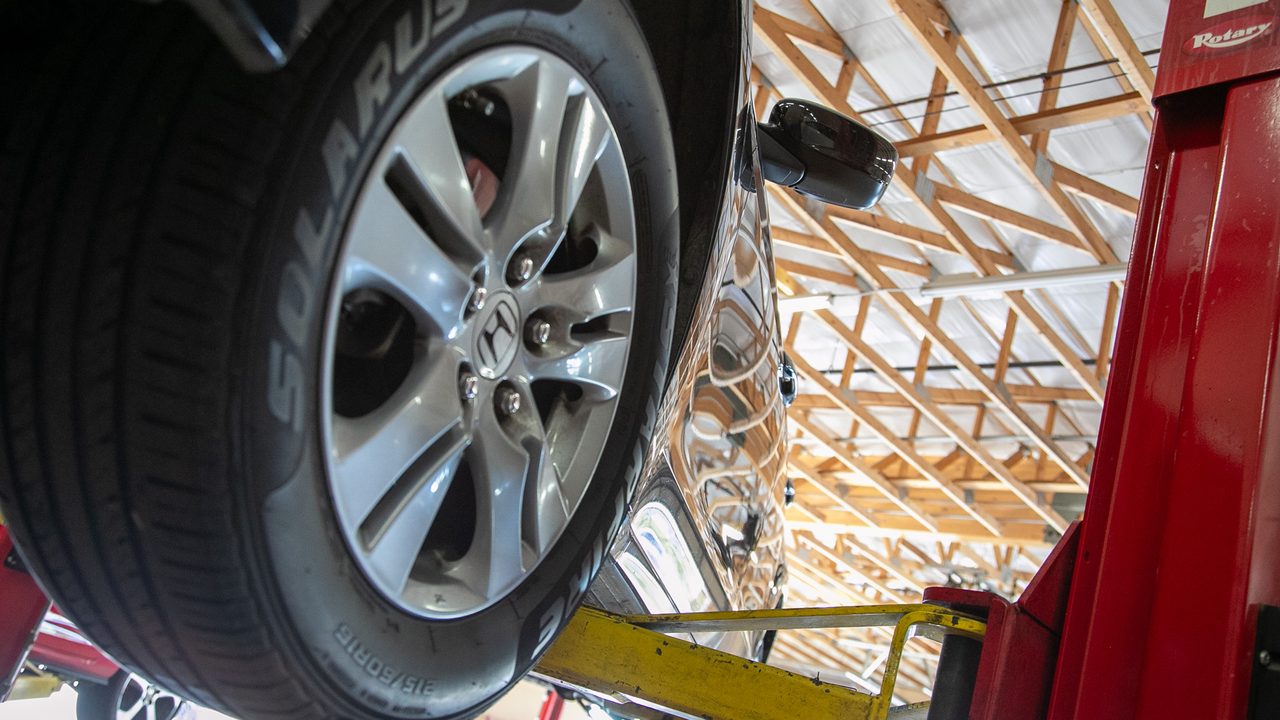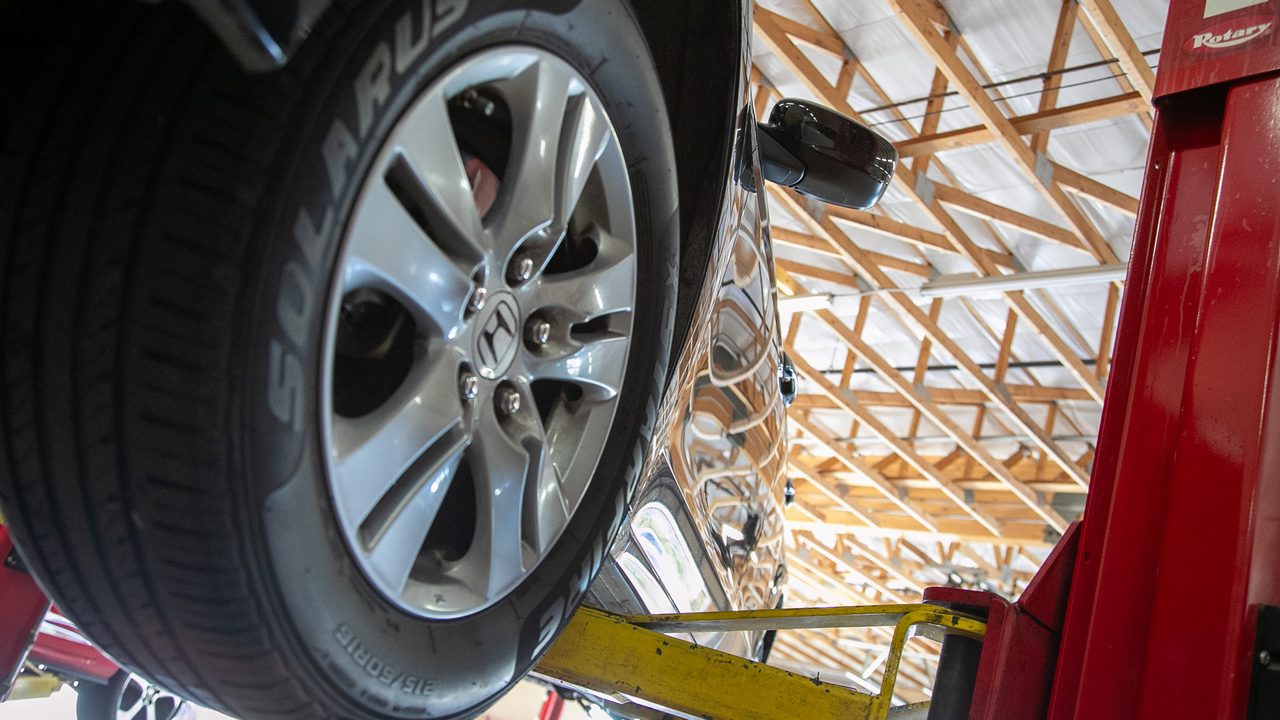
That grinding sound when you hit the brakes at a red light on Gilbert Road isn’t going to fix itself. If you’re searching for brake repair Mesa AZ, you’re probably already feeling it: a soft pedal, a squeal that’s gotten worse every week, or a dashboard warning light that won’t turn off. Arizona’s heat and stop-and-go traffic are hard on brake components, and putting off a repair here can turn a simple pad replacement into a much bigger rotor-and-caliper job in a matter of months.
This guide covers what actually causes brake wear and failure in Mesa, what real brake repair Mesa AZ pricing looks like in 2026, how to tell if your brakes are safe to drive on today, and what our shop does at every step of the process. No guessing, no upsell pressure — just what you need to know before you book.
We wrote this because too many Mesa drivers end up overpaying for brake work simply because they didn’t know what a fair price looks like, or they waited too long and turned a $200 pad job into a $600 rotor-and-caliper repair. Whether you’re hearing a faint squeal on your morning commute down Country Club Drive or you’ve already got a dashboard warning light staring back at you, the goal here is the same: give you enough real information to make a confident decision before you spend a dollar.
25-65K Miles is the typical lifespan of a set of brake pads — but Arizona’s heat and heavy stop-and-go traffic on roads like Main Street and the US-60 corridor often cut that range in half.
What Brake Wear Actually Looks Like in Mesa
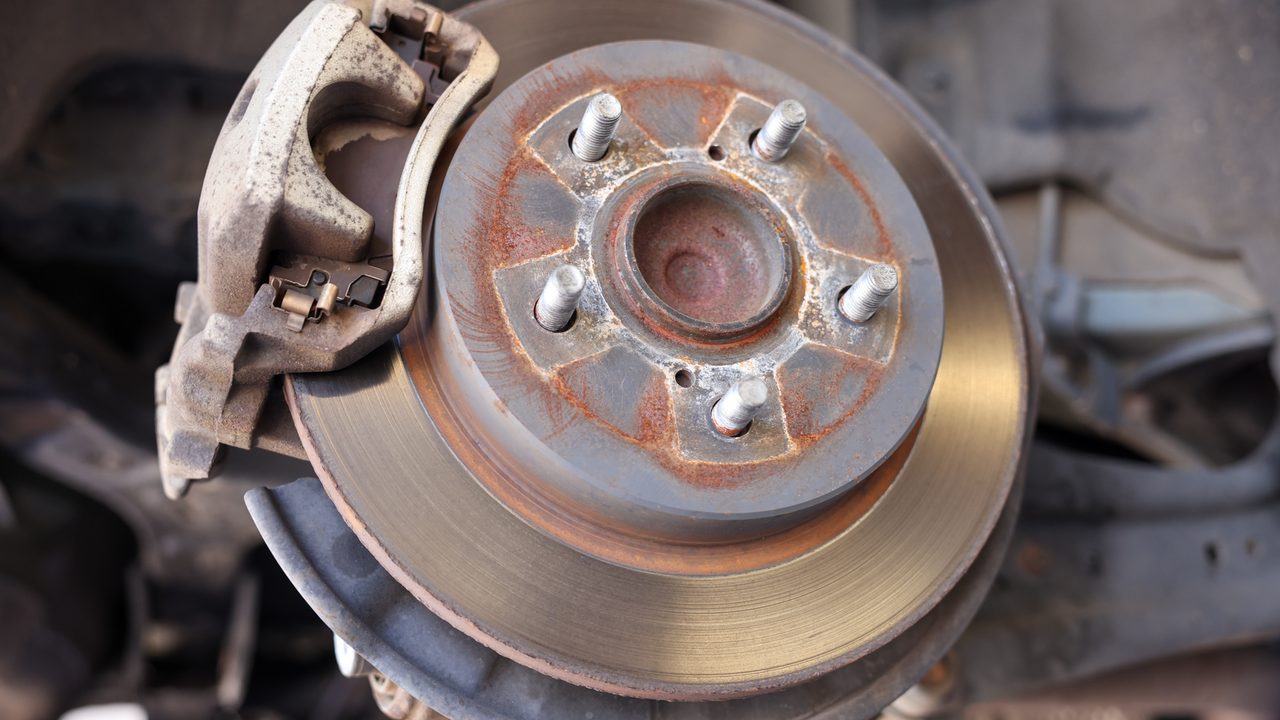
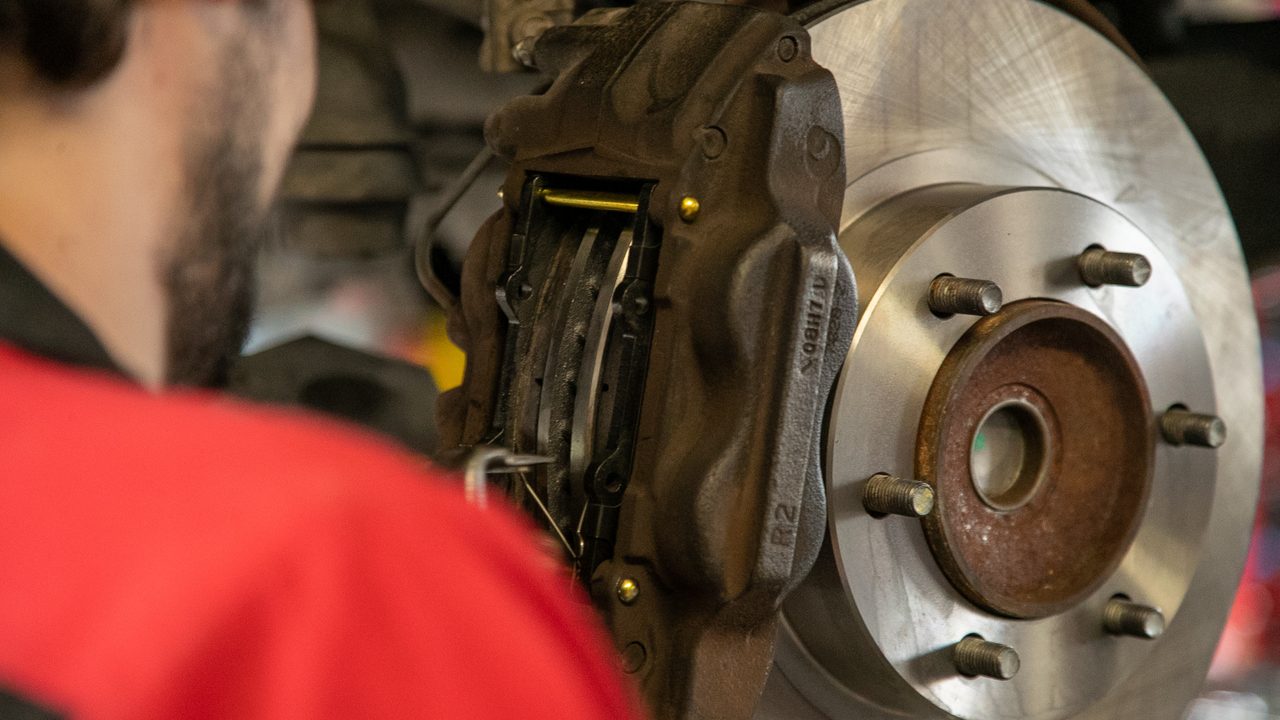
A car’s brake system relies on a handful of parts working together: pads that clamp down on rotors, calipers that apply that clamping pressure, and fluid that transfers the force from your foot on the pedal to the wheels. Every one of those parts wears out on a schedule, and every one of them wears out faster in Mesa than it would somewhere with a mild climate and light traffic.
Pavement in Mesa regularly hits well over 140°F in the summer, and brake components run even hotter than the road surface every time you use them. That heat breaks down brake fluid faster, dries out rubber seals in the calipers sooner, and accelerates pad wear on top of the wear you’d expect from normal stop-and-go driving on Country Club Drive, Baseline Road, or the Superstition Freeway. Add in the grit and dust that’s common in the Valley, and it’s no surprise that Mesa drivers often need brake service well before the mileage number on the box would suggest.
The most common signs we see at the shop: squealing or squeaking that gets louder over a few weeks, a grinding metal-on-metal sound, a brake pedal that feels softer or sinks lower than it used to, the car pulling to one side under braking, or a vibration that shows up specifically when you brake at highway speed. Any one of those is worth having looked at before it turns into a bigger repair.
It also helps to understand what “brake repair” actually covers, because the term gets used loosely. A true brake repair can mean anything from a simple pad swap to a full rebuild involving rotors, calipers, brake lines, and fluid. Vehicles that tow, carry heavy loads, or spend a lot of time in stop-and-go traffic on Southern Avenue or the US-60 tend to need the more involved version sooner than a car that mostly sees light neighborhood driving. That’s part of why a fair quote for brake repair Mesa AZ depends on an actual inspection rather than a flat rate over the phone — two cars with the same symptom can need very different levels of work.
Brake fluid is the part of the system most drivers forget about entirely. It’s hygroscopic, meaning it absorbs moisture from the air over time, and that moisture lowers the fluid’s boiling point. Combine that with how hot brake components already run in Arizona traffic, and fluid that’s overdue for a flush can leave you with a spongier pedal and reduced stopping power right when you need it most, even if the pads and rotors themselves still have some life left.
Common Causes & How Brake Systems Work
Most brake repairs trace back to one of a small number of root causes. Here’s how the symptoms you’re noticing usually map to what’s actually wrong under the wheel:
| Symptom | Likely Cause | Typical Fix |
|---|---|---|
| Squealing or squeaking | Worn pad wear indicator contacting the rotor | Pad replacement |
| Grinding, metal-on-metal | Pads worn past the friction material, backing plate on rotor | Pads + rotor resurface or replacement |
| Soft or spongy pedal | Air in the brake lines or a fluid leak | Bleed brake lines / repair leak |
| Car pulls to one side | Stuck or seized caliper, uneven pad wear | Caliper service or replacement |
| Vibration when braking | Warped or unevenly worn rotors | Rotor resurfacing or replacement |
| Brake warning light on | Low fluid level or worn pad sensor | Diagnostic, then fluid top-off or pad service |
A brake job usually isn’t just “new pads.” Rotors wear alongside pads and often need resurfacing or replacement to keep the new pads seating correctly, and fluid that’s more than two years old can hide moisture that lowers your brakes’ boiling point — a real concern with how hot brake components run in Arizona traffic.
It’s worth noting that not every noise coming from your wheel area is a brake problem. Worn suspension components, a loose heat shield, or even a rock caught in the wheel well can mimic brake noise. Part of a proper inspection before any brake repair Mesa AZ shop quotes you a price is ruling those other causes out first, so you’re not paying to replace parts that were never the problem in the first place.
Pro tip: If your car pulls to one side only when you brake and drives straight otherwise, start with the calipers and pads before assuming it’s an alignment issue. A caliper that isn’t releasing fully will drag one wheel and pull the car toward that side under braking.
Our Brake Repair Process
A lot of Mesa drivers have been burned before by a shop that quotes one price and then tacks on “surprise” charges once the car is already on the lift. That’s not how we handle brake repair Mesa AZ customers. Every step below happens in order, and you see the number before we touch a single part.
Here’s exactly what happens when you bring a car in for brake repair at our Mesa shop:
- Free visual inspection of pad thickness, rotor condition, caliper operation, and fluid level/condition
- Road test to confirm and reproduce the symptom you described when you called
- Pad and rotor measurements checked against manufacturer spec, not just a visual guess
- Written estimate before any work begins — you approve the price before we touch anything
- Pad replacement, rotor resurfacing or replacement, and caliper service as needed
- Brake fluid flush if the fluid is contaminated or overdue for a change
- Reassembly torqued to manufacturer spec, followed by a test drive to confirm the fix
- Final safety check before the car goes back to you
None of these steps get skipped, even on a job that sounds simple over the phone. A quick pad-only estimate can turn into a pad-and-rotor job once we actually measure the rotor thickness, and we’d rather tell you that up front than have you find out the hard way a few months later.
Cost & Time
Brake repair pricing depends on how far the wear has gone and whether rotors and calipers need attention along with the pads. Here’s a realistic 2026 range for brake repair Mesa AZ:
- Pads only, one axle: $150-$300
- Pads + rotors, one axle: $300-$500
- Full brake service, all four wheels (pads, rotors, fluid flush): $500-$650
- Caliper replacement: add roughly $150-$300 per caliper
- Typical turnaround: same day, usually 1-3 hours once parts are on hand
The exact number depends on your vehicle’s make and model and how much of the system needs work, which is why we always give you a written estimate after the inspection rather than a number over the phone.
A few things move the price up or down. Larger trucks and SUVs generally use bigger, more expensive rotors and pads than a compact sedan. Vehicles with rear disc brakes cost more to service on all four corners than one with rear drums. And whether you choose OEM parts or a quality aftermarket brand can shift the total by $50-$150. None of that changes the process — you’ll always see the breakdown in writing before you approve the work, so there’s no guessing about what you’re paying for.
If you’re comparing quotes, ask what’s actually included. A “brake special” advertised at a rock-bottom price sometimes covers pads only, with rotors, fluid, and labor beyond a basic swap billed separately once the car is already apart. A real brake repair Mesa AZ estimate should spell out parts and labor for exactly what your vehicle needs, not a generic teaser price.
When Is It Urgent? Safety First
Some brake symptoms can wait a few days for an appointment. Others mean you shouldn’t be driving the car until it’s looked at. Watch for:
- Grinding, metal-on-metal sound when braking
- Brake pedal sinking toward the floor or feeling spongy
- Car pulling hard to one side under braking
- A burning smell after normal driving
- ABS or brake warning light staying on continuously
- Vibration through the pedal or steering wheel that worsens at highway speed
Brake fade happens when repeated hard braking, or braking on a system that’s already compromised, generates more heat than the pads and rotors can dissipate. As the components overheat, friction drops and the pedal can start to feel firm but ineffective, or in worse cases, sink further with each application. It’s more likely to show up on long downhill stretches, in stop-and-go freeway traffic during a Phoenix-area heat wave, or in any vehicle that’s towing. Healthy, properly serviced brakes handle Arizona’s heat fine. Worn ones lose their margin for error fast. The National Highway Traffic Safety Administration publishes general seasonal vehicle safety guidance worth reviewing alongside your brake service.
What To Do Right Now
If you’ve read this far because something feels off with your brakes, here’s the short version of what to do next before you search for brake repair Mesa AZ options and start calling around.
- Stop driving on the car if you’re hearing metal-on-metal grinding
- Note when the symptom started and what makes it worse (stopping hard, highway speed, first thing in the morning)
- Check your brake fluid reservoir level if you’re comfortable popping the hood
- Call or book online for a same-day inspection
- Get the written estimate before you approve any repair
- Ask about a fluid flush if it’s been more than two years since your last one
Why Choose Network Automotive
There’s no shortage of shops offering brake repair Mesa AZ drivers can choose from, and it’s not always obvious how to tell them apart from a website alone. Here’s what actually matters once your car is on the lift: whether the estimate you’re given up front is the number you actually pay, whether the person doing the inspection is measuring against real spec instead of eyeballing it, and whether the shop stands behind the work after you drive away.
- Written estimate before any brake work starts, every time
- Pad and rotor measurements checked against manufacturer spec, not guesswork
- Same-day service on most brake jobs
- Full range of auto repair services under one roof if the inspection turns up something else
- Local Mesa shop — read more about our team
- Current service coupons available for brake and maintenance work
Service Area
We handle brake repair Mesa AZ drivers throughout the city and the surrounding East Valley rely on, from the older neighborhoods near Downtown Mesa to the newer developments out toward Eastmark. If you commute along Superstition Springs, work near the Fiesta District, or live out toward Red Mountain, we’re a reasonable drive from most of the city:
- Downtown Mesa
- Dobson Ranch
- Red Mountain
- Superstition Springs
- Val Vista
- Fiesta District
- Eastmark
- Las Sendas
Next step
Want this looked at by someone who does it every day?
Book online at any of our six Arizona shops, or call and talk to a real person. Family owned since 1995.