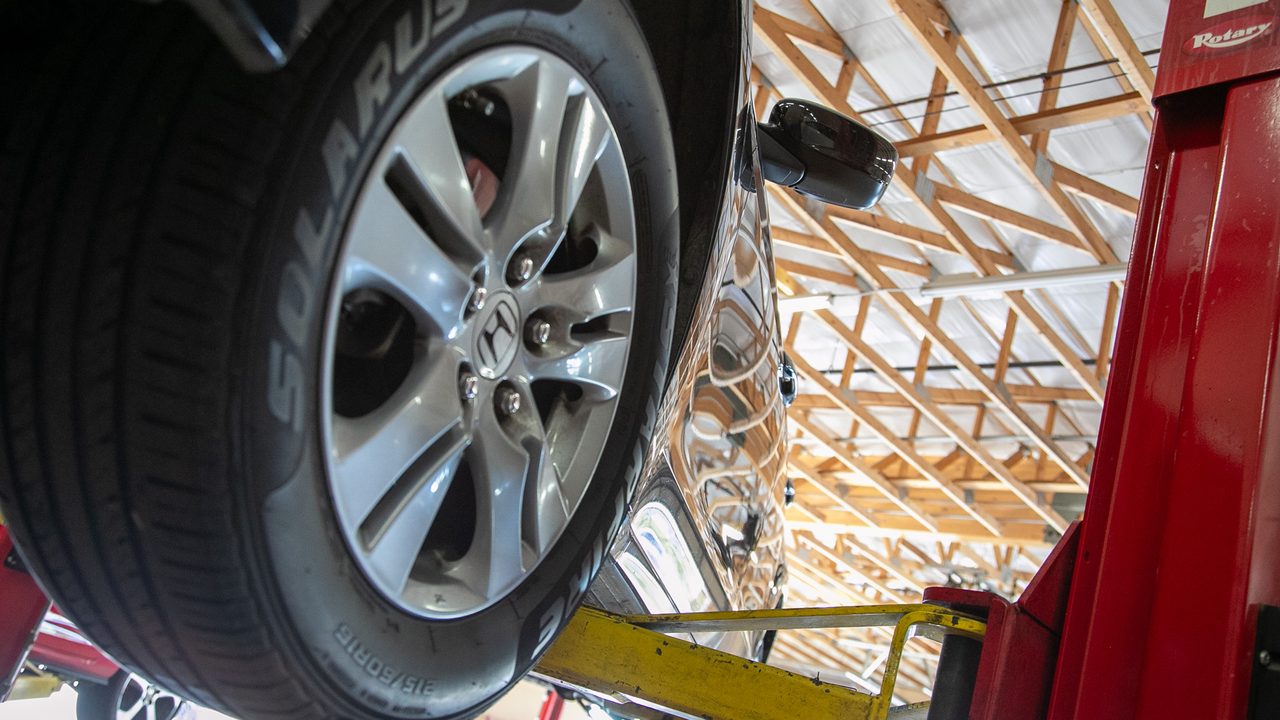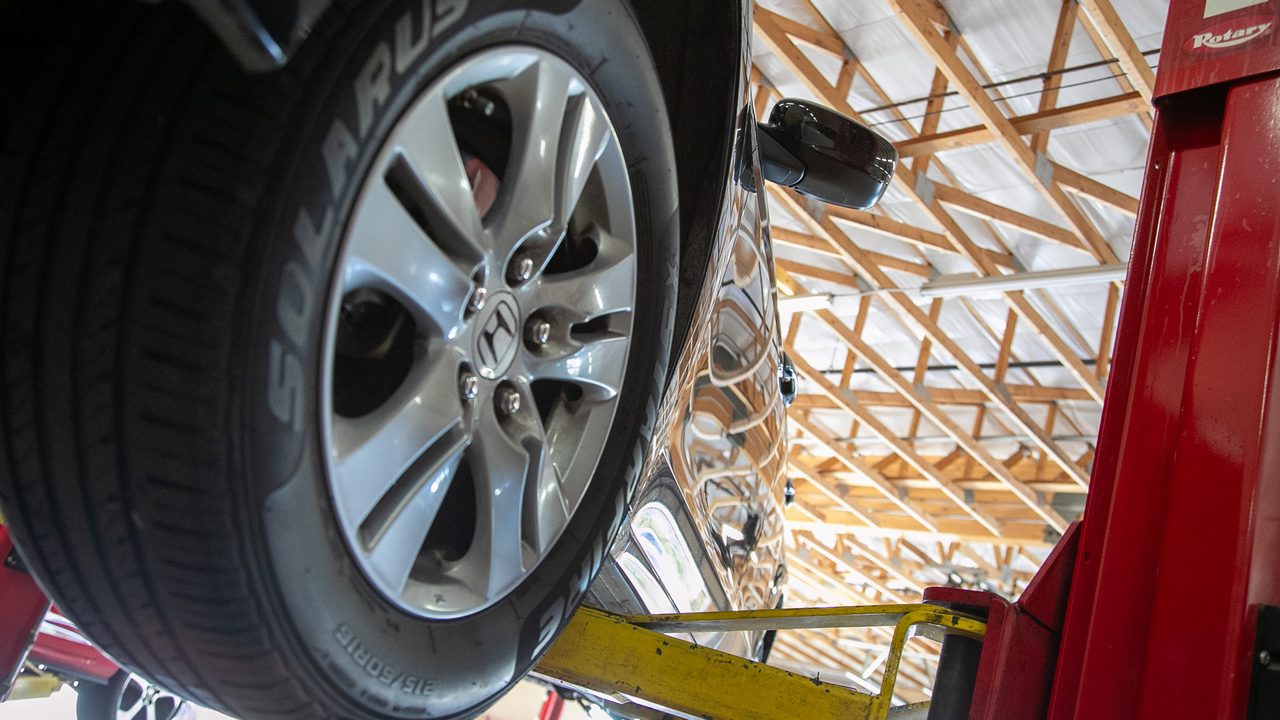
If your car pulls to one side when you brake, you smell something hot after a short drive around Mesa, or one wheel is noticeably warmer than the others after you park, there is a good chance a brake caliper is sticking. A caliper is the part that actually clamps the brake pads against the rotor, and when it stops releasing fully, that wheel keeps dragging long after you take your foot off the pedal. Left alone, a stuck caliper does not just wear out a pad. It can cook a rotor, overheat a wheel bearing, and in the worst cases get hot enough to be a real safety concern on the road.
What a Sticking or Failing Brake Caliper Actually Does
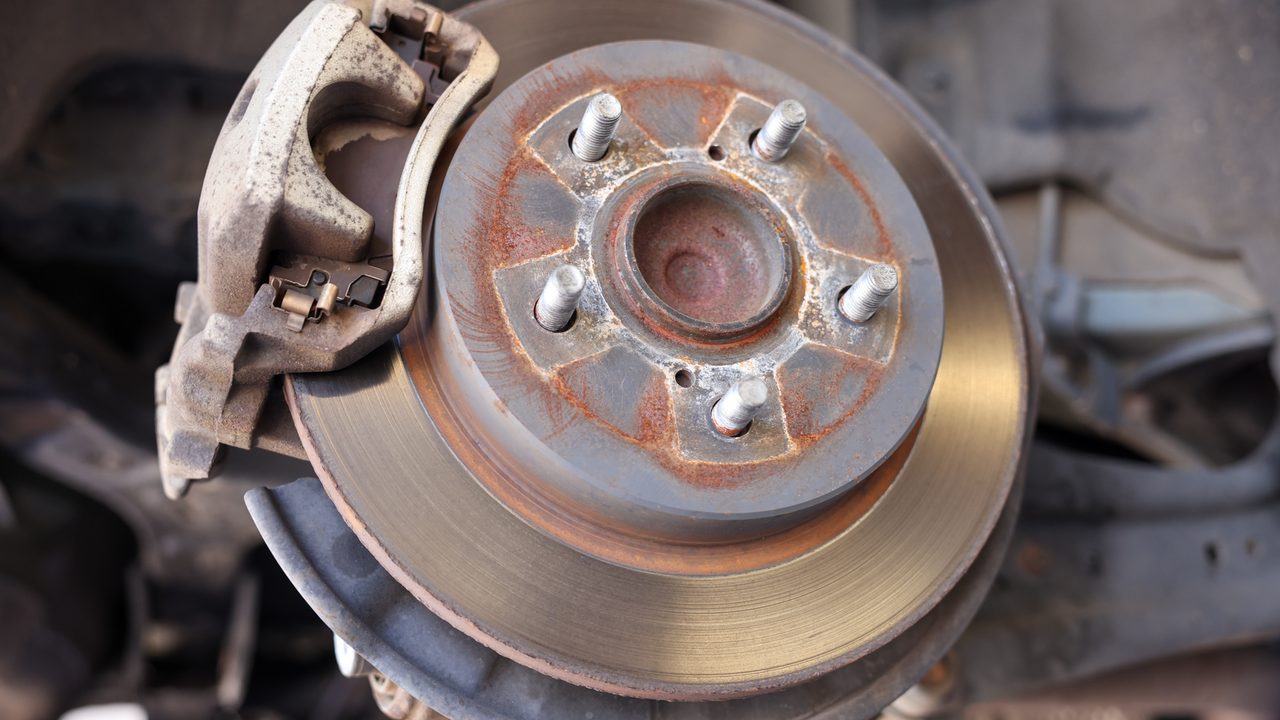
Each wheel on your car has a caliper that uses hydraulic pressure from the brake fluid to squeeze the pads against the rotor every time you press the pedal. When you let off the pedal, the caliper is supposed to release that pressure and let the pads pull back away from the rotor. A caliper has two main parts that make that release possible: the piston, which pushes the pad against the rotor, and the slide pins or guide pins, which let the whole caliper body float back and forth so both pads contact the rotor evenly.
When either part fails, the caliper stops releasing the way it should. A seized piston can stay partially extended, holding the pad against the rotor even with your foot off the brake. Corroded or dry slide pins can bind up, so one pad keeps dragging while the other barely touches the rotor at all. Either way, that wheel is fighting itself every time you drive, pulling against the engine and transmission even when you think you are just coasting.
A sticking caliper is different from a caliper that has failed completely. A sticking caliper still works most of the time but binds up intermittently, often worse after the car sits overnight or sits in the Arizona sun for a few hours. A fully seized caliper holds the brake on constantly, which you will usually notice right away because the car is difficult to get moving and the affected wheel may not want to turn at all when the car is parked.
The Warning Signs: Pulling, Burning Smell, and a Hot Wheel
Three symptoms show up most often with a sticking or seized caliper, and Mesa drivers tend to notice them in this order.
The car pulls to one side under braking. If one caliper is gripping harder or longer than the others, that corner of the car slows down faster, and the car tugs toward that side the moment you touch the brakes. This is often the first sign drivers notice, especially on the US 60 or Loop 202 where braking from highway speed makes the pull more obvious than it is in a parking lot.
A burning smell after a short drive. A dragging caliper generates constant friction at that wheel, and friction makes heat. After even a few miles of city driving around Mesa, a dragging caliper can get hot enough that you smell it, a sharp, acrid odor that is different from normal brake dust. If you smell this, do not keep driving. Pull over safely and let the car cool before continuing.
One wheel noticeably hotter than the others. After a drive, carefully checking (without touching) the area near each wheel can reveal a wheel that is radiating noticeably more heat than the rest. This is one of the most reliable signs of a dragging caliper, because a healthy brake only gets hot when you actually use it, while a dragging one is working the entire drive.
Other signs that often show up alongside these three include a steering wheel that pulls even without braking, reduced fuel economy because the car is working against a dragging brake, a grinding or scraping sound from one wheel, and uneven wear between the two front tires or the two rear tires. A caliper that drags enough to overheat can also warp the rotor on that side, which adds a pulsation you can feel through the brake pedal on top of the pulling sensation.
Why Mesa's Heat Is Especially Hard on Calipers
Caliper slide pins and piston seals rely on a thin layer of grease and rubber to stay flexible and move freely. Arizona summer pavement temperatures routinely push brake components far hotter than they would run in a milder climate, and that heat cycle, baking all day in direct sun and cooling off overnight, dries out the lubricant on slide pins faster than the manufacturer's service interval assumes. Once that lubricant dries out, the pins corrode and bind, and the caliper loses its ability to float freely.
The same heat works against the rubber seals around the piston. Rubber hardens and cracks faster under sustained high heat, and once a seal hardens, it can no longer flex enough to let the piston retract fully after each stop. That is a direct path to a dragging caliper, and it is a bigger factor in Mesa than almost anywhere else the car might have been driven before.
Stop-and-go traffic on arterials like Power Road, Gilbert Road, and Main Street adds to the problem. Every stop heats the brakes, and heavy Mesa traffic means more stops per mile than steady highway driving. A caliper that is already struggling because of dried-out slide pins has less chance to fully cool between uses in stop-and-go conditions, which speeds up the corrosion and seal damage even more.
Dust and grit are a secondary factor. Fine desert dust works its way past worn seals and into the piston bore and slide pin bushings, acting like an abrasive once it mixes with what grease is left. A vehicle that spends its life on Mesa's dusty surface streets is, on average, further along the path to a sticking caliper than the same vehicle driven somewhere cooler and cleaner.
How a Shop Diagnoses a Sticking Caliper
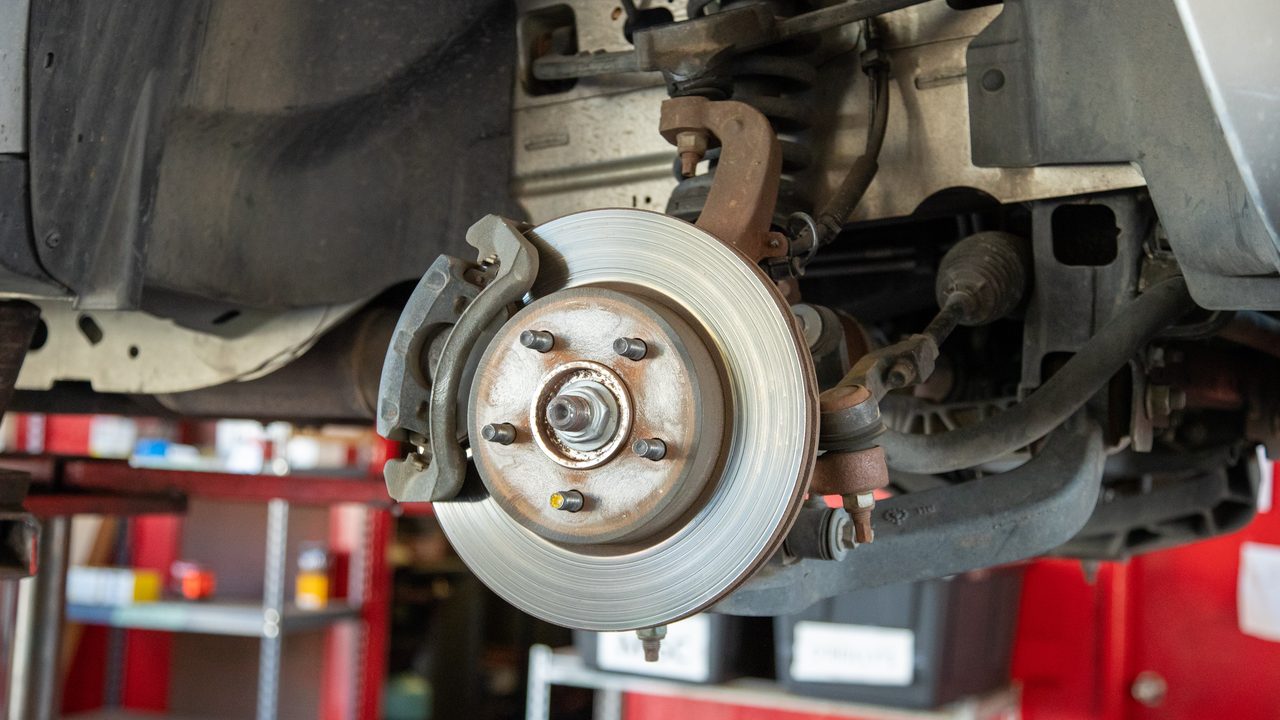
Pulling to one side and a hot wheel point strongly toward a caliper problem, but a proper diagnosis confirms which caliper and why before any parts get replaced. A technician typically starts by checking each wheel's temperature after a test drive, since a caliper that is dragging will run noticeably hotter than the others. From there, the wheel comes off so the technician can inspect the caliper directly: checking whether the piston retracts fully when pressure is released, checking whether the caliper slides freely on its pins, and inspecting the pads for uneven wear, which is a strong clue about which side of the caliper is sticking.
The rotor gets checked at the same time, since a caliper that has been dragging for a while often leaves telltale bluish discoloration or heat spots on the rotor surface, and a warped rotor from sustained overheating needs to be addressed along with the caliper itself. The brake fluid and brake hose at that wheel are also inspected, since a collapsed brake hose can mimic a sticking caliper by trapping pressure at the wheel even after you release the pedal.
This kind of hands-on inspection is a paid diagnostic service, with the cost quoted upfront before any work begins. It is worth doing properly, because guessing at which caliper is bad and replacing parts on a hunch is a more expensive way to end up at the same repair, especially if the real issue turns out to be a collapsed brake hose rather than the caliper itself.
Sticking Caliper vs a Collapsed Brake Hose vs Worn Pads: Telling Them Apart
Several different problems can produce a similar pulling or dragging feeling, and the table below shows how a technician separates them during inspection.
| Symptom | Sticking Caliper | Collapsed Brake Hose | Worn or Uneven Pads |
|---|---|---|---|
| Wheel heat after driving | Noticeably hotter than other wheels | Noticeably hotter than other wheels | Normal, even with the others |
| Pedal feel | Usually normal | Usually normal | Can feel low or soft if pads are very worn |
| Caliper piston movement | Binds or will not retract fully | Retracts normally when hose is disconnected | Moves freely |
| Pulling under braking | Yes, toward the dragging side | Yes, toward the affected side | Rare unless pads are worn unevenly side to side |
| Typical fix | Caliper replacement | Brake hose replacement | Pad replacement, rotors if scored |
Because these three problems can look nearly identical from the driver's seat, the inspection step matters. Replacing a caliper when the real problem is a collapsed hose, or vice versa, means paying for a repair that does not fix the symptom.
What Brake Caliper Replacement Involves
Once a caliper is confirmed to be sticking or seized, the standard repair is a full caliper replacement rather than attempting to free up or reseal the old one. A rebuilt or new caliper comes with fresh seals and a piston that is guaranteed to move freely, which is far more reliable than trying to salvage a caliper that has already corroded internally.
Brake caliper replacement is almost never done alone. Because a dragging caliper generates extra heat and uneven wear, the pads on that wheel are typically replaced at the same time, and the rotor is inspected for the heat discoloration, scoring, or warping that often comes from extended dragging. If the rotor shows heat damage, it gets replaced along with the caliper and pads rather than reused, since resurfacing a rotor that has already been overheated does not reliably fix the problem.
The job itself involves removing the wheel, disconnecting the old caliper from the brake hose and mounting bracket, installing the new caliper with fresh mounting hardware and slide pin lubricant, bleeding the brake line to remove any air that entered during the swap, and seating the new pads against the rotor. Afterward, a technician test drives the vehicle to confirm the wheel no longer drags and stays at a normal temperature, and checks that the pedal feel is firm and consistent. Every brake caliper replacement at Network Automotive is backed by our 24-month, 24,000-mile nationwide warranty.
Is It Safe to Keep Driving With a Sticking Caliper?
A mild pull that you only notice occasionally is not an immediate emergency, but it is also not something to put off for long. A caliper that is starting to stick tends to get worse, not better, especially in Mesa's heat, and the longer it drags, the more damage it does to the pad, the rotor, and potentially the wheel bearing on that side.
Some signs mean you should stop driving and have the car looked at right away rather than scheduling a routine visit. A strong burning smell, smoke coming from a wheel, a wheel that feels hot enough to be concerning right after a short drive, or a pedal that feels different than normal all point to a caliper that has progressed past the early stage. In rare but serious cases, a caliper that overheats badly enough can damage the wheel bearing or even affect the tire on that side, which turns a brake repair into a bigger and more expensive problem.
A mild, intermittent pull that shows up only occasionally, especially after the car has sat overnight, is usually safe to get scheduled within the next week or so. Anything paired with a burning smell, visible smoke, or a wheel that is hot enough to notice through the tire sidewall deserves a same-day look rather than waiting it out.
What to Do Right Now If You Suspect a Sticking Caliper
If you have noticed your car pulling under braking or a burning smell after a drive, a few steps help in the meantime. Avoid long drives until the car has been checked, since continued driving on a dragging caliper only adds more heat damage to the rotor and pad. After parking, you can carefully check whether one wheel feels noticeably warmer than the others without touching the metal directly, since this is one of the clearest signs of which corner is affected. Note whether the pulling happens on every stop or only after the car has been sitting, since that detail helps a technician narrow down whether the problem is a seized piston or dry slide pins.
From there, the right move is booking an appointment rather than waiting to see if the pulling goes away on its own. A dragging caliper does not fix itself, and Mesa's heat tends to shorten the window between the first noticeable pull and a fully seized caliper compared to milder climates.
Why Mesa Drivers Choose Network Automotive
Network Automotive has been family owned and operated since 1995, and our ASE-certified technicians see caliper wear constantly in vehicles that spend their life in Mesa's heat and stop-and-go traffic. We explain exactly what we find during the inspection, quote the diagnostic and repair cost upfront, and back every brake caliper replacement with a 24-month, 24,000-mile nationwide warranty. You can book an appointment at one of our locations or check current service coupons before you come in, and a full rundown of what we work on is on our services page.
Network Automotive serves drivers across the East Valley and beyond, with locations covering Mesa, Gilbert, Apache Junction, Queen Creek, and Prescott. If you are not sure whether what you are feeling is a sticking caliper or something else, our posts on car shaking when braking and grinding noise when turning cover other brake and suspension symptoms that sometimes get mixed up with a caliper problem, and our general brake repair page covers pads and rotors in more depth. If you have questions about what you are noticing, call (480) 444-0242 and describe the symptoms, or reach us through our contact page.
Next step
Want this looked at by someone who does it every day?
Book online at any of our six Arizona shops, or call and talk to a real person. Family owned since 1995.