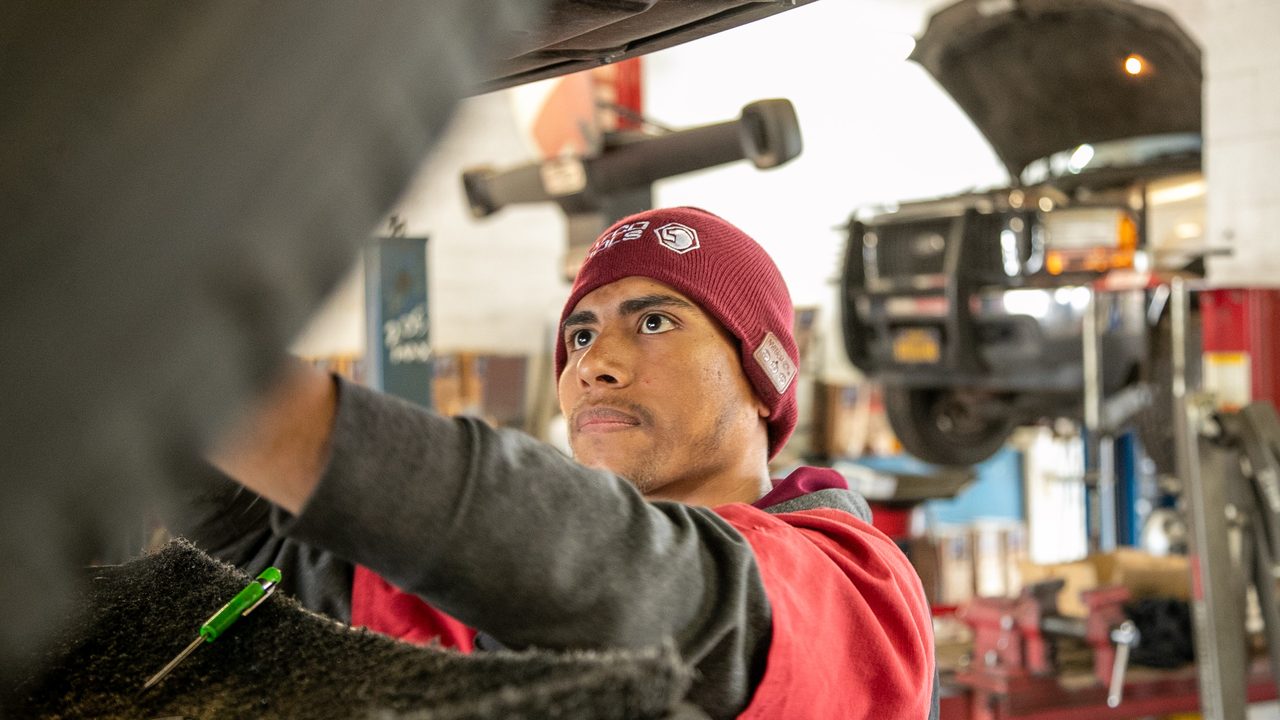
If your 4x4 or AWD vehicle grinds, bangs, or refuses to shift into four-wheel drive on the way out to Bulldog Canyon or the Superstition foothills, the transfer case is usually the culprit. Transfer case repair in Apache Junction AZ is one of the most misdiagnosed drivetrain jobs around, because the symptoms overlap with axles, driveshafts, and the transmission itself. Here is how to tell what is actually failing before you spend money guessing, and what a proper repair actually involves.
What the Transfer Case Actually Does
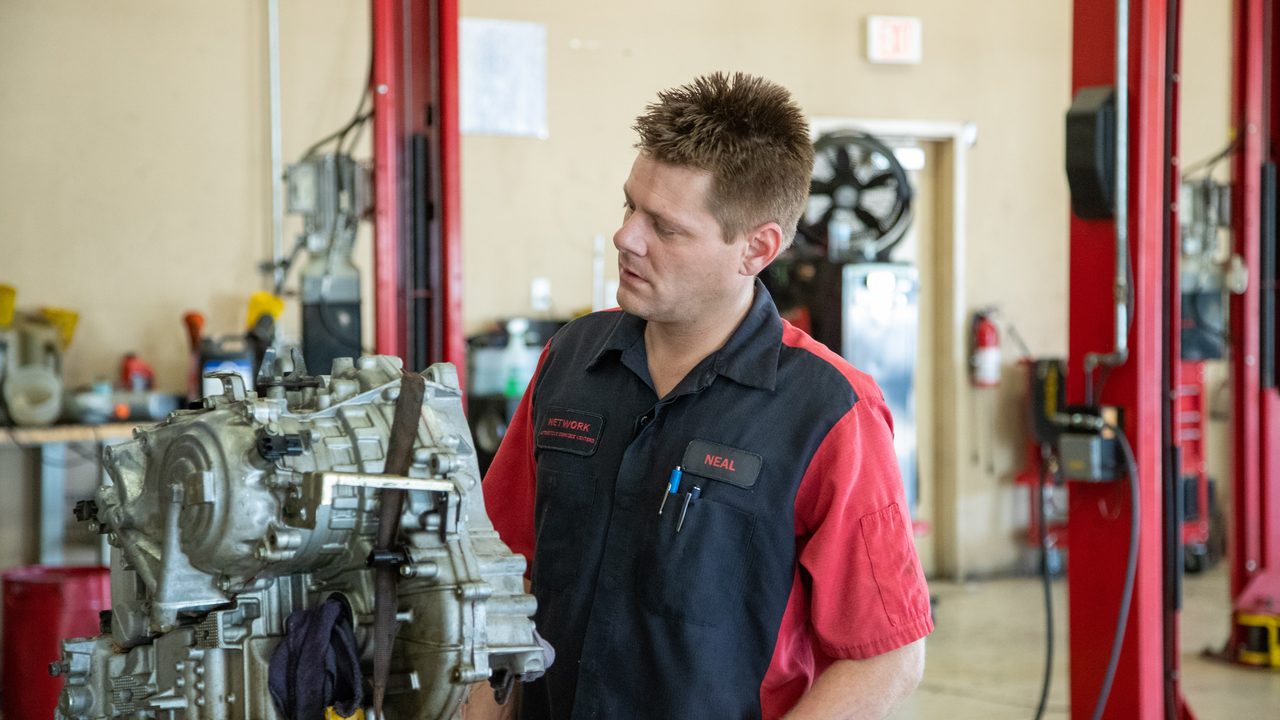
The transfer case sits between your transmission and your front and rear driveshafts. On a 4x4 truck or SUV, it is the component that physically splits engine power to both axles when you shift into 4WD or engage an AWD mode. Inside, it uses a set of gears, chains, or a clutch pack, depending on the vehicle, along with its own fluid to keep everything cool and lubricated. When that fluid breaks down, or an internal gear, chain, or bearing wears out, the transfer case cannot do its job cleanly.
It is a separate unit from the transmission, even though many drivers lump the two together because they sit right next to each other under the vehicle. A transmission problem shows up mostly during normal 2WD driving, such as slipping or delayed shifts. A transfer case problem shows up specifically when you try to engage, use, or disengage four-wheel drive. That distinction matters because fixing the wrong component wastes time and money.
Most late-model trucks and SUVs sold in Arizona use one of two transfer case designs: a part-time case that stays in 2WD until the driver manually shifts into 4WD, or a full-time or automatic case that constantly monitors wheel speed and shifts power between axles on its own. Automatic cases rely on an electronic control module and a shift motor, which adds a second category of possible failure beyond worn internal gears.
Common Symptoms of a Failing Transfer Case
Apache Junction drivers tend to notice transfer case trouble in one of these ways:
- Grinding or clunking when shifting into or out of 4WD or 4-Low
- The 4WD indicator light flashes or will not engage at all
- A whining or humming noise that changes with vehicle speed, not engine RPM
- Vibration that gets worse the faster you drive in 4WD
- Fluid leaking under the center of the vehicle, between the transmission and the rear axle
- The vehicle feels like it is being held back or binding when turning sharply in 4WD
- A burning smell after extended 4WD or 4-Low use on sand or loose terrain
- Difficulty getting the case to fully disengage once you are back on pavement
Any one of these on its own is worth a look. More than one together, especially grinding combined with a fluid leak, usually means the transfer case needs attention soon rather than later. Waiting on a transfer case that is already shedding metal into its own fluid tends to turn a moderate repair into a full replacement.
What Causes a Transfer Case to Fail
A handful of root causes show up again and again in Apache Junction's 4x4 and overland crowd:
- Low or degraded fluid. Transfer case fluid lubricates and cools the internal gears or chain. Once it breaks down or runs low, metal-on-metal contact accelerates wear within a few hundred miles.
- Worn seals. The output shaft seals and the case-to-transmission gasket dry out and crack over time, especially with repeated heat-cool cycles. A slow leak that goes unnoticed eventually starves the internal components.
- Chain or gear wear. Chain-drive transfer cases stretch slightly with age and mileage. Once a chain stretches enough, it starts to slip or rattle under load, which is often the source of that whining or clunking noise.
- Shift fork or actuator failure. The mechanism that physically moves the internal gears into 4WD position can wear out or, on electronic systems, the actuator motor can fail outright, leaving the case stuck in one mode.
- Trail abuse without maintenance. Rock crawling, deep sand, and washboard roads put repeated shock loads through the case. That kind of use is normal and the transfer case is built for it, but it also means fluid needs to be checked and changed more often than on a vehicle that never leaves pavement.
Why Apache Junction's Terrain Is Hard on Transfer Cases
Apache Junction sits right at the edge of the Superstition Wilderness and Bulldog Canyon, which means a lot of local 4x4 and overland vehicles see real trail use, not just pavement. Washboard roads, deep sand, and rock crawling all put repeated shock loads through the transfer case's gears and chain. Desert heat adds a second layer of stress: transfer case fluid thins out at high temperatures and breaks down faster, which accelerates wear on internal components even on trucks that mostly commute on Idaho Road or US 60.
Stop-and-go traffic combined with occasional trail weekends is actually a tougher combination than steady off-road use, because the fluid never gets a consistent chance to cool down and settle before the next heat-cool cycle. A truck that idles through town traffic all week and then gets pushed hard on a Saturday trail run is asking more of its transfer case fluid than either scenario alone would.
Dust is the other local factor. Fine desert dust works its way past aging seals more easily than it would in a wetter climate, which is part of why seal leaks tend to show up earlier on Apache Junction vehicles than the national average mileage for the same part.
How a Shop Diagnoses a Transfer Case Problem
Because the symptoms above can also point to a worn CV axle, a failing wheel bearing, or a driveshaft issue, diagnosis starts with isolating where the noise or vibration is actually coming from. A technician will typically:
- Road test the vehicle in both 2WD and 4WD to see exactly when the symptom appears
- Check the transfer case fluid level, color, and smell for signs of metal contamination or burning
- Inspect the transfer case mount, seals, and output shafts for leaks or excess play
- Check for stored codes if the vehicle has an electronic transfer case or 4WD actuator
- Rule out related components, including CV axles, wheel bearings, and driveshaft U-joints, before condemning the transfer case itself
- Inspect the case mounting bushings, since a failing mount can cause a clunk that mimics internal transfer case wear
There is a quoted diagnostic fee for this kind of inspection, since it involves road testing and fluid analysis rather than a quick code scan. The fee is given upfront before any work begins, so there is no surprise charge once the vehicle is on the lift.
Isolating the exact source matters because a shop that skips straight to "it's the transfer case" without ruling out the cheaper possibilities can end up replacing an expensive unit when the actual problem was a worn U-joint or a loose mount. A careful diagnosis protects you from that.
Comparing the Symptoms
| Symptom | Likely Source | Urgency |
|---|---|---|
| Grinding when shifting into 4WD | Transfer case shift fork or gear wear | Have it checked soon |
| Whining noise, speed-related | Worn transfer case bearing or chain | Have it checked soon |
| 4WD light flashing, won't engage | Actuator motor or internal electronic fault | Schedule a diagnosis |
| Fluid leak under center of vehicle | Worn seal or gasket | Check before fluid runs low |
| Clunk over bumps, not tied to 4WD use | Worn transfer case mount or driveshaft U-joint | Schedule a diagnosis |
| Binding or hopping in tight turns in 4WD | Normal for part-time 4WD on pavement, not a fault | Driver habit, not a repair |
What the Repair Actually Involves
Once the diagnosis points to the transfer case itself, the repair path depends on what is worn:
- Fluid service: If the fluid is old, contaminated, or has simply never been changed, a drain and refill with the manufacturer-specified fluid can resolve minor noise and roughness before anything else is touched. This is the least invasive option and the first thing a shop should check.
- Seals and gaskets: Leaks from worn output shaft seals or the case-to-transmission gasket are usually a straightforward repair that does not require opening the internal gear case. The transfer case typically needs to come down from the vehicle to access the seals, but the internals stay untouched.
- Internal gear, chain, or bearing wear: Once metal shavings show up in the fluid or a gear has visibly worn teeth, rebuilding the internal components or replacing the unit becomes the more reliable option. Rebuilding requires full disassembly, inspection of every gear and bearing, and reassembly with new wear parts.
- Electronic shift motor or actuator: On vehicles with push-button or automatic 4WD, a failed actuator can often be replaced on its own without touching the gear case at all, which keeps the repair cost and time down considerably.
A shop should be able to explain, in plain terms, which of these your vehicle needs and why, rather than jumping straight to the most expensive option. Ask to see the fluid that was drained, since metal content in the fluid is the clearest physical evidence of internal wear versus a simple leak.
Repair Versus Replacement
Whether a transfer case can be repaired or needs to be replaced comes down to the extent of internal damage and the age of the unit. A case with worn seals, a failed actuator, or fluid that was simply neglected is almost always a repair, not a replacement. A case with a stripped gear set, a snapped chain, or a housing crack from impact damage is a different story, and replacement with a new or quality remanufactured unit is often the more practical path once a full rebuild would cost nearly as much.
Mileage and overall vehicle condition factor in too. On a higher-mileage truck, a technician may recommend weighing the cost of an internal rebuild against a replacement unit, since both come with labor to remove and reinstall the case regardless of which route you choose.
Is It Safe to Keep Driving?
A transfer case stuck in 2WD is generally safe to drive carefully to a shop, since the vehicle simply will not get four-wheel drive until it is fixed. A transfer case stuck in 4WD, grinding loudly, or making a worsening vibration is a different situation: continuing to drive on it risks turning a fluid or seal repair into a full internal failure, and in some cases can damage the front or rear differential as well. If you hear metal-on-metal grinding or feel a sudden vibration spike, pull over and have the vehicle towed rather than risk driving it in.
A slow fluid leak with no noise yet is lower urgency, but it should still be checked within a week or two. Once the fluid level drops far enough, the remaining fluid heats up faster and wear accelerates quickly from that point.
What to Do Right Now
If you are dealing with any of these symptoms:
- Avoid using 4WD or 4-Low until the vehicle has been checked
- Note exactly when the noise or symptom happens, such as during shifting, turning, or at a specific speed
- Check for fluid underneath the vehicle near the transfer case, between the transmission and rear axle
- Book an appointment at /book-appointment-choose-location/ so a technician can road test it and pin down the actual cause before any repair begins
Why Choose Network Automotive
Network Automotive has been family owned and operated since 1995, with ASE-certified technicians across six Arizona locations. Repairs are backed by a 24-month / 24,000-mile nationwide warranty, so a transfer case repair done at one of our shops is covered well beyond the drive home from the trailhead. Our technicians handle the full range of services listed at /services/, and if your vehicle has a drivetrain issue outside the usual checklist, give a shop a call to discuss it directly before booking.
Service Area
We see transfer case and 4x4 drivetrain issues from drivers all across the East Valley, not just Apache Junction. If you are coming from Mesa, Gilbert, or Queen Creek, the same diagnostic process applies no matter which of our locations you visit. Related reading: our CV axle replacement guide covers a common look-alike symptom, and our shocks and struts replacement post covers another Apache Junction trail-driving wear item worth checking at the same time.
Next step
Want this looked at by someone who does it every day?
Book online at any of our six Arizona shops, or call and talk to a real person. Family owned since 1995.