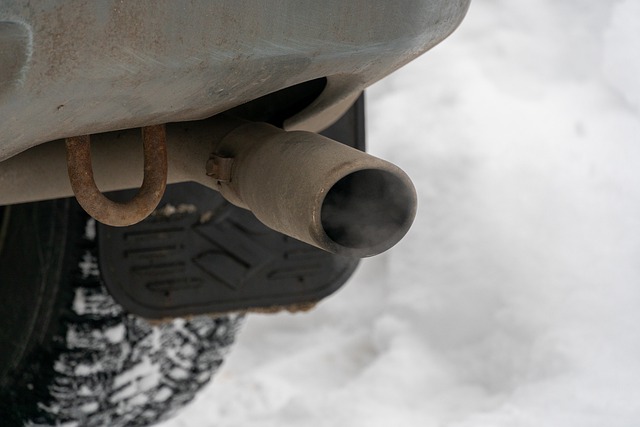
Your nose is one of the best diagnostic tools you own. Long before a warning light comes on, an exhaust problem often announces itself as a smell: sulfur, raw fuel, something burning, or an odor you cannot quite place drifting into the cabin. Drivers tend to shrug these off, crack a window, and keep going. That is a mistake, because exhaust odors range from minor annoyances to genuine safety emergencies, and you cannot always tell which is which without an inspection. Here is what different exhaust smells mean and what to do about each, from a Mesa, AZ auto repair shop that diagnoses these problems every week.

First, the Safety Warning: Exhaust in the Cabin Is Never Okay
Before getting into specific smells, one rule overrides everything else. If you can smell exhaust inside your car, treat it as urgent. Exhaust gases contain carbon monoxide, which is colorless and odorless, so the parts of the exhaust you can smell are your only warning that the parts you cannot smell may be entering the cabin too. Carbon monoxide exposure causes headaches, dizziness, drowsiness, and confusion, which is a terrifying combination for someone driving a vehicle.
Until the source is found, drive with the windows down, never idle in a garage or enclosed space, and get the vehicle inspected promptly. This is not a symptom to schedule around your convenience.
Rotten Eggs: A Catalytic Converter Crying for Help
A sulfur smell, like rotten eggs, is the most recognizable exhaust odor and usually points to the catalytic converter. Gasoline contains trace sulfur, and a healthy converter processes it into odorless compounds. When the converter is failing or being overwhelmed, that sulfur leaves the tailpipe as hydrogen sulfide instead, and you smell it.
Here is the important part: converters usually fail because of an upstream problem, such as a long-running misfire or a fuel system running too rich. The smell is often your earliest warning. Caught quickly, the underlying cause can sometimes be fixed before the converter itself is ruined, and that difference is worth a lot of money, because converters are among the most expensive parts on the car. A proper diagnostic scan is the right next step, and our engine diagnostics articles explain what that involves.
Raw Gasoline Smell: Do Not Ignore It
The smell of gasoline around or inside the car can mean unburned fuel is passing through the engine, or worse, that fuel is leaking somewhere in the system. A rich-running engine wastes fuel and damages the converter over time. A fuel leak is a fire hazard, full stop. If the gas smell is strong or persistent, especially after parking, have the vehicle looked at immediately rather than driving it for days while you decide.
Sweet Smells, Burning Smells, and Musty Smells
Not every odor from the exhaust area is the exhaust itself. Your nose may be picking up a neighbor system:
- Sweet, syrupy smell. That is usually coolant. It can mean a leak dripping onto hot engine parts, or in worse cases coolant entering the combustion chambers, which often shows up as white, sweet-smelling exhaust vapor that does not clear as the engine warms.
- Burning oil. A heavy, acrid smell often means oil is leaking onto the hot exhaust system. Along with the odor, you may see light smoke from under the hood after driving.
- Burning rubber or plastic. A belt, hose, or piece of road debris may be contacting hot exhaust components.
- Musty or dusty smells from the vents. Often a cabin air filter issue rather than exhaust, common in our dusty desert air, but worth ruling out properly.
Each of these has a different fix and a different urgency, which is exactly why a professional diagnosis beats guessing based on smell alone.
Why Odor Problems Also Become Emissions Problems
Phoenix-area vehicles have to pass periodic emissions testing, and the same failures that cause exhaust odors, such as a struggling converter, a rich fuel mixture, or an exhaust leak, are the same failures that cause emissions test rejections. Addressing an odor when it first appears often means a smaller repair now instead of a failed test and a bigger repair later. You can read more in our exhaust and emissions articles. If your car already failed a test, call us at (480) 444-0242 and we can get to the root cause.
What to Tell Your Mechanic
When you bring in a smell complaint, details shorten the diagnostic time. Note when the odor happens: cold start, idling, accelerating, after a long drive, or inside versus outside the car. Note whether it appeared suddenly or built gradually, and whether any warning lights or performance changes came with it. Those clues help a technician trace the odor to a system quickly instead of hunting.
Can You Keep Driving With an Exhaust Smell?
It depends entirely on the smell and where you notice it. A faint sulfur odor outside the car during hard acceleration is worth an appointment this week, but it is not usually a reason to park the car today. A strong fuel smell, visible smoke, or any exhaust odor inside the cabin moves the answer to no. Those situations involve fire risk or the possibility of carbon monoxide exposure, and no errand is worth either one.
If you are in the gray zone and must drive before your appointment, reduce the risk: keep windows partly open, avoid idling in enclosed spaces or drive-through lines, and pay attention to how you feel behind the wheel. Headache, drowsiness, or lightheadedness while driving means pull over, get fresh air, and get the car towed rather than driven. When you are genuinely unsure whether a smell is safe to drive on, a quick phone call describing the symptom is free, and it beats guessing wrong in either direction.
Trust Your Nose, Then Verify
Exhaust odors are your car volunteering information. The drivers who act on that information early consistently pay less and stay safer than the ones who wait for a warning light or a breakdown to force the issue. Network Automotive Service Center has been family-owned since 1995, serving Mesa and the surrounding East Valley. Explore our services and call (480) 444-0242 if your car smells wrong. We will find out why and fix what is actually broken.