by | Jul 6, 2020 | Oil Change & Maintenance
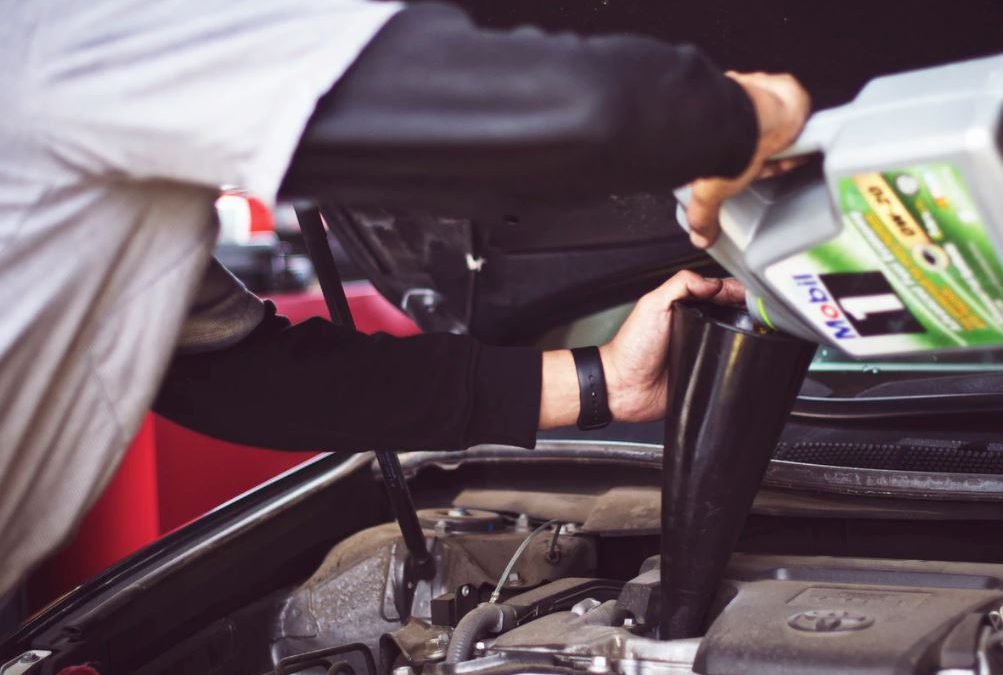
If you own a vehicle, you want to make sure it stays running and is in good condition at all times which means you need to take the proper steps to maintain it and make sure everything is in order. One of the things vehicle owners need to do regularly is have their oil changed. Some people can do this themselves, but most prefer to leave it to the professionals. You don’t want to choose just anyone to change the oil on your vehicle, you want to make sure you choose someone who will do it right the first time. Here are some things to keep in mind when choosing the right Gilbert, AZ auto repair service to change your oil.
Experience
You always want to make sure the person you choose to change the oil in your vehicle knows what they are doing and will do a good job. Make sure you ask about their experience or research the service to see if they have done a good job on other vehicles in the past. If they have a social medial page or a website, you can look for reviews or testimonials from other customers to see what they have to say about the service they received.
Read also: How To Save Money On Gilbert, AZ Auto Repair
Cost
You don’t want to overpay for services so it is important to compare the prices of several different repair services to find the one that offers the best value for their services. You don’t just want to look for the lowest price, but the best value. You can also look to see if any services offer coupons or special deals and prices. Some services will offer loyalty programs and give you discounts if you continue to do business with them. You want to make sure you are paying a fair price and getting a good service that will ensure your car runs better.
Read also: How To Choose The Right Gilbert, AZ Auto Repair Shop
Customer Service
You want to make sure the person you choose to change your oil is friendly and happy to have your service. You should be able to ask questions and feel comfortable talking with them about the problems with your car. You should also trust that they won’t overcharge you and will be honest with you about the things that are wrong with your vehicle. You want to make sure they are happy to have your business and respect you as a customer. You don’t have to deal with someone who treats you badly.
If you are looking for someone who will change your oil, you want to take your time and make sure you choose the right Gilbert, AZ auto repair shop. You deserve to find someone who will work with you and do all your vehicle repairs. If you are ready to find someone to change your oil, be sure to reach out to Network Automotive Service Center. We are here to help with all your car repair needs. We can change your oil and help with other aspects of your vehicle’s repairs. Give us a call today if you need help.
Read More: automotive repair gilbert az

by | May 18, 2020 | Oil Change & Maintenance
Oil is the lifeblood of your engine, but it is also the easiest maintenance item to forget. There is no dramatic failure the day you pass your recommended interval. The engine starts, the car drives, and life goes on. Meanwhile, the oil inside is slowly losing its ability to protect the hundreds of metal parts moving at high speed just inches apart. By the time neglected oil causes a symptom you cannot ignore, real damage may already be done. Here is how to tell when your oil needs changing, and why Gilbert’s climate shortens the timeline, from a Gilbert, AZ auto repair center that has seen the consequences firsthand.
Check the Oil Itself: Color, Level, and Texture
The most direct way to assess your oil takes about two minutes. With the engine cool and the car parked on level ground, pull the dipstick, wipe it clean, reinsert it, and pull it again. You are looking at two things: level and condition.
- Level. The oil should sit between the two marks on the dipstick. If it is at or below the low mark, your engine is running with less protection than it needs, and you should top off and investigate why it is low.
- Color. Fresh oil is amber and translucent, like honey. As it works, it darkens. Dark brown or black oil that you cannot see through has absorbed significant contaminants and is due for a change.
- Texture. Rub a drop between your fingers. Gritty oil means suspended particles are circulating through your engine. Milky or foamy oil can indicate coolant contamination, which is a serious problem that needs immediate professional attention.
Symptoms You Will Notice While Driving
When oil degrades or runs low, the engine starts to tell you. Listen for a louder engine, particularly a ticking or light knocking sound at idle or on cold starts. That noise is often metal components no longer receiving the cushioning film of oil they depend on. You may also notice the engine feels rougher or less responsive than usual, or that fuel economy has slipped. Old, thickened oil creates drag inside the engine, and the engine burns more fuel to overcome it.
Exhaust smoke is another clue. Some vapor from the tailpipe is normal, especially on cool mornings. Persistent blue-gray smoke, however, suggests oil is burning inside the combustion chambers, and a smell of hot oil in the cabin can point to a leak dripping onto hot engine parts.
Do Not Ignore the Dashboard Lights
Two lights matter here. The oil change reminder is a maintenance message based on mileage or an algorithm, and it means schedule service soon. The red oil pressure warning light is entirely different. It means the engine is not maintaining safe oil pressure right now. If that light comes on while driving, pull over safely and shut the engine off. Driving with low oil pressure can destroy an engine in minutes, turning a routine service visit into a repair bill that can total the car. When in doubt, stop and call for guidance rather than pushing on. You can reach our team at (480) 444-0242 if you are unsure what your warning light means.
Why Gilbert Drivers Need Oil Changes More Often
The intervals printed in your owner’s manual assume what engineers call normal operating conditions. Much of the driving in Gilbert and the surrounding East Valley falls under the severe service definition instead, and the manual usually lists a shorter interval for exactly these conditions:
- Extreme heat. Sustained triple-digit temperatures thin the oil and accelerate oxidation, the chemical breakdown that ends an oil’s useful life.
- Stop-and-go traffic. Idling and short trips build heat and contaminants without the sustained highway driving that helps oil do its job efficiently.
- Dust. Monsoon season dust storms and general desert grit load up the air filter and find their way into the oil, where they circulate as fine abrasives.
If your driving is mostly around town in Phoenix-metro conditions, treat the severe service schedule as your normal one. It is a small cost difference that buys meaningful engine protection. You can find more guidance on intervals and oil types in our oil change and maintenance articles.
What a Professional Oil Service Includes
A quality oil service is more than draining and refilling. The technician replaces the oil filter, verifies the correct oil grade for your engine, checks for leaks around the drain plug, filter, and gaskets, and typically inspects other fluids and components while the vehicle is on the lift. That inspection is where small problems get caught early: a weeping gasket, a cracked belt, a tire wearing unevenly. Regular oil changes quietly double as regular health checks for the whole vehicle.
Keeping simple records helps too. Note the date and mileage of each change, or let your shop track it for you, so you are never guessing when the next one is due.
Conventional, Synthetic Blend, or Full Synthetic?
Not all oil handles Arizona heat equally. Conventional oil does its job in moderate conditions, but it thins and oxidizes more quickly at high temperatures. Full synthetic oil is engineered to hold its protective properties across a much wider temperature range, which makes it especially well suited to desert summers and stop-and-go commuting. Synthetic blends fall in between, offering some of that stability at a lower cost.
Many newer engines require synthetic oil outright, so always start with what your owner’s manual specifies. If your vehicle allows a choice, the East Valley’s operating conditions are a strong argument for full synthetic, particularly if you plan to keep the car for years. Whichever oil you run, the interval still matters more than the label. The best oil in the world stops protecting when it is worn out and saturated with contaminants, so pick the right oil and change it on time.
Stay Ahead of It
Oil changes are the cheapest insurance your engine will ever get. Staying on schedule protects performance, fuel economy, and resale value, and it dramatically lowers the odds of the kind of engine damage that no one budgets for. If your oil is dark, your engine is noisy, or you simply cannot remember your last service, it is time.
Network Automotive Service Center has been family-owned since 1995 and proudly serves Gilbert and the East Valley. See the full range of our services, then call (480) 444-0242 to schedule your oil change. Your engine will thank you for years to come.
by Network Automotive | Apr 27, 2020 | Oil Change & Maintenance
If you are worried about your car not running properly, one of the best things you can do is schedule regular maintenance with a Gilbert, AZ auto repair center. When your car is serviced regularly you can rest assured that stay running longer and is less likely to stall and break down on you.
Catch Problems Before They Become Severe
If your car has a minor problem that you are aware of but don’t get fixed promptly, it could turn into a larger problem very quickly. This could cause your car to stall or prevent it was starting when you need to get to work or an important appointment. When you take your car to a professional, they can diagnose any current problems or areas where problems are likely to occur. They may be able to make small repairs that can prevent larger ones in the future.
Maintain Fluid Levels
If your vehicle is serviced regularly it may be running low on essential fluids. Most people don’t check their fluids as often as they should or refill the reservoirs. Your vehicle needs fluids to operate properly and to help prevent the engine and other parts from locking up. Oil, brake fluid, transmission fluid, and coolant levels can be checked when your vehicle is serviced
Spend Less Time Without A Car
Nobody wants to be without a car but if you put off your regular maintenance, you may find that you are faced with big repairs that take a lot of time. You may need to leave your car in a shop for a few days instead of just a few hours. You may not have a ride to work, or to places you want to go with friends and family. To avoid spending a lot of time without a car, make sure your vehicle is well-maintained and you follow up with regular maintenance appointments.
Save Money
While maintenance and regular service are affordable, neglecting your car can lead to more serious problems that can result in more expensive problems. The more severe the problem, the more costly the repair. If you want to save money you need to have your car inspected and maintained as scheduled to help prevent serious mechanical problems. The
If you want to learn more about the importance of regularly scheduled vehicle maintenance at a Gilbert, AZ auto repair center, or if you need to schedule an appointment for your vehicle, call Network Automotive Service Center. We are happy to make sure your vehicle is in good working order so you can feel confident about driving it anywhere. We will check for problems and fix anything that needs it. We are here to help with all your automotive needs. Just give us a call today to schedule an appointment. You can also stop by with your vehicle to schedule your maintenance appointment. We are here to help with all your car problems and maintenance needs and it’s our goal to keep your car on the road and running right for as long as possible.
by Network Automotive | Mar 23, 2020 | Oil Change & Maintenance
Oil changes are just one of the regular types of maintenance that car owners must manage. Most people don’t have the time, tools, or even the knowledge that allows them to successfully do an oil g themselves. You don’t have to do it yourself, you can take your vehicle to a Mesa, AZ auto repair center to have your oil changed by a professional. Here are a few reasons oil needs to be changed regularly.
Keeps Components Lubricated
The job of oil is to keep the engine lubricated. Engines have many moving parts inside and they need to be lubricated in order to work as they should. Without oil, the parts can hit each other or stop moving all together. This can cause the engine to stop working by allowing the parts inside to lock up. Keeping oil in the vehicle and keeping the oil changed can prevent severe engine problems.
Helps Keep Engine Cool
Oil helps keep an engine cool. When the components inside are not lubricated and are rubbing together, this can cause friction that produces heat. The heat can even cause the engine to stall from overheating. Oil helps reduce the friction and the heat so the engine doesn’t work as hard and stays cooler. It can help prevent too much stress on the engine and keep the car running in good condition.
Reduces Wear and Tear On Engine Components
The components inside a vehicle’s engine need to be lubricated so they can last longer. The oil covers the parts so they don’t grind against each other and can move more easily. Without the oil, they have to work harder and won’t last as long. Regular oil changes can prevent the components from wearing down as quickly.
Improves Gas Mileage
Most people are happy to improve their gas mileage any way possible and changing oil regularly can help with that. When the engine doesn’t have proper oil or the oil isn’t doing its job because it’s old, the parts have to work harder to make the vehicle move. This requires more gas. When the engine is working properly, it can use less gas. This can help save you money by making your car more efficient.
If you want to keep your car running well and want to avoid costly repairs, it’s a good idea to keep the oil changed regularly. You don’t have to worry about changing it yourself, you can take your vehicle to a Mesa, AZ auto repair center and have a professional mechanic check and change the oil. You can even plan your oil changes several months ahead of time to ensure that you never miss an oil change and your vehicle is always operating at its full potential. You can bring your vehicle to Network Automotive Service Center for all your repair needs. You can call us at (480) 407-6091. You can also visit our shop at 3007 E Main St, Mesa, AZ 85213. We are here to help you with all your auto repair needs as well as basic maintenance.

by Network Automotive | Jan 27, 2020 | Oil Change & Maintenance
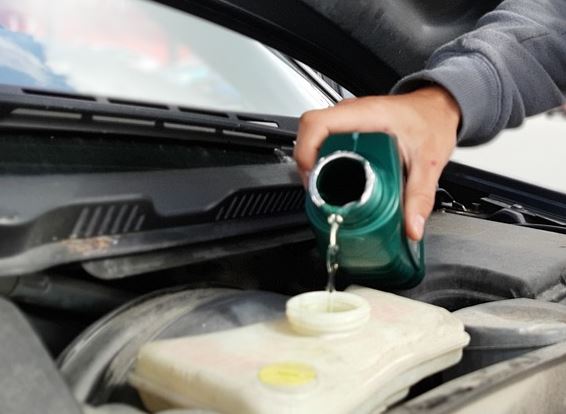
Vehicles rely on fluids to run properly. These fluids help lubricate moving parts of the engine, preventing metal parts from grinding together and keeping the engine from overheating. You should check these fluids regularly to ensure they are at the proper levels. Low fluids may not be doing enough to protect your engine and could lead to serious problems. If you need help checking or changing your fluids, bring your car to a Gilbert, AZ auto repair shop. At Network Automotive Service Center, we are happy to help you check and change any types of fluids, including the following.
Transmission Fluid
Transmission fluid helps protect your transmission. It prevents it from slipping and helps you shift through gears more easily. If your transmission fluid is low you may notice that your car doesn’t want to ship properly. If the fluid is not filled it could cause severe problems with your transmission.
Oil
Oil helps keep all the parts in your engine lubricated so they can work without any problems. If there is no oil in your car or if the oil levels get too low, the engine may overheat, parts may grind together. You should never operate your vehicle without oil in it. If your vehicle is leaking oil or seems to be using it, you may have a problem. An auto repair specialist can help identify the problem and correct it.
Coolant
Coolant is one of the more important fluids in your vehicle. It helps keep your engine from overheating and flows through the motor to cool it. If you have a cracked radiator or if your car uses a lot of coolant, you may need to check this fluid often. You can check and replace it yourself or you can have an auto repair shop do it to make sure there are no leaks or other problems that may be causing you to lose fluid faster than normal.
Brake Fluid
Brake fluid is important because it helps lubricate your brakes so they can work properly. If your vehicle is low on brake fluid, your brakes may stick or not work properly. This can be extremely dangerous and even cause an accident. Many people don’t think to check their brake fluid and assume they need to replace their brakes when they are really just low on fluid.
If you need help adding fluids to your vehicle or if you need to have your car checked to see if the fluids are at the proper levels, you can bring your car to Network Automotive Service Center. We are a Gilbert, AZ auto repair shop that can help with all your automotive repair needs We are here to help keep your car on the road. You can call us at (480) 539-8277 to set up a service appointment. You can also stop by our shop to learn more about our services or schedule your appointment. We are located at 1021 N Gilbert Rd #108, Gilbert, AZ 85234.
by Network Automotive | Jan 13, 2020 | Oil Change & Maintenance
Most drivers do not think about maintenance until something goes wrong. The car starts hesitating at a stoplight on Arizona Avenue, the AC blows warm in July, or a dashboard light comes on during the morning commute. By the time a problem announces itself, it is usually more expensive to fix than it would have been to prevent. That is the whole argument for regular vehicle maintenance, and it is especially true in Chandler, where extreme summer heat pushes every system in your car harder than the owner’s manual ever anticipated. Here is a practical look at what regular maintenance actually buys you, and why a trusted Chandler, AZ auto repair company is worth keeping on speed dial.
Small Problems Stay Small
Almost every major repair starts as a minor one. A slow coolant seep becomes a warped cylinder head. A slightly worn brake pad becomes a scored rotor. A dirty air filter becomes poor fuel economy and, eventually, sensor trouble. Regular maintenance visits exist to catch these issues while they are still cheap and simple.
During a routine service, a technician is not just draining oil. They are looking at belts for cracking, hoses for swelling, tires for uneven wear, and fluids for discoloration. Each of those observations is an early warning. When you skip visits, you lose that warning system, and the first sign of trouble becomes a breakdown instead of a note on an inspection sheet.
Arizona Heat Makes Maintenance Non-Negotiable
Chandler summers are brutal on vehicles. Sustained triple-digit temperatures accelerate wear in ways drivers in milder climates never deal with:
- Batteries: Heat, not cold, is the number one battery killer. High under-hood temperatures evaporate electrolyte and corrode internal components, which is why batteries in the Valley often fail sooner than their rated lifespan.
- Fluids: Engine oil, transmission fluid, and coolant all break down faster when they run hot. Oil that might be fine for another thousand miles in a cooler state can be oxidized and thin here.
- Tires: Hot pavement raises tire pressure and accelerates dry rot. Underinflated tires on 150-degree asphalt are a blowout risk.
- Rubber and plastic: Belts, hoses, bushings, and weatherstripping all age faster in extreme heat.
A maintenance schedule that accounts for our climate, with regular checks in the oil change and maintenance category of service, keeps heat-related wear from sneaking up on you.
You Spend Less Over the Life of the Car
Maintenance feels like an expense, but it is really insurance with a strong track record. Compare the routine cost of an oil change or a coolant flush to the repair it prevents, such as a seized engine or an overheated transmission, and the math is not close. Well-maintained engines also run more efficiently, which means you burn less fuel in stop-and-go traffic on the 101 and 202.
There is a resale benefit too. A vehicle with documented, consistent service history is easier to sell and commands more interest than an identical car with a mystery past. Buyers and dealers both read service records as a sign the car was cared for everywhere else as well.
Safety Is the Benefit You Hope Never to Notice
Brakes, tires, steering, and suspension are the systems standing between a normal drive and a bad day. All of them wear gradually, which makes the decline easy to miss. You adapt to a longer brake pedal or a slight pull to one side without realizing it.
Regular inspections put objective eyes on those systems. A technician measuring pad thickness or checking tread depth does not adapt to gradual wear the way a daily driver does. If you have family in the car every day, that second set of eyes matters. If you have questions between visits, you can always call a shop you trust at (480) 444-0242 and describe what you are noticing before deciding whether it can wait.
What a Sensible Maintenance Routine Looks Like
You do not need to memorize a chart. A reasonable rhythm for East Valley driving looks like this:
- Follow your manufacturer’s oil change interval, and lean toward the severe-service schedule, because desert heat and short commutes count as severe service.
- Have tires rotated and pressures checked regularly, especially heading into summer.
- Ask for a battery test every service visit once the battery is a few years old.
- Keep up with coolant, brake fluid, and transmission fluid at the intervals your owner’s manual specifies.
- Get the AC checked in spring, before the first 110-degree week exposes a weak system.
- Address small symptoms, such as new noises, smells, or leaks, promptly instead of waiting for them to grow.
Do Not Forget Monsoon Season
Summer heat gets the headlines, but monsoon season adds its own maintenance items. Dust storms load up engine air filters and cabin filters, sudden downpours expose worn wiper blades and marginal tires, and humidity swings reveal weak batteries. A quick pre-monsoon check of filters, blades, tires, and battery condition is a small addition to your maintenance routine that prevents most of the season’s common failures. It is also a good moment to make sure your AC drain is clear and your defroster works, since the first humid storm of the season is a bad time to find out it does not.
Why Work With a Local Chandler Area Shop
A shop that services East Valley vehicles every day knows what our climate does to cars because they see it constantly. They know which failures show up every June, what monsoon dust does to air filters and cabin filters, and how commuting patterns around Chandler wear on brakes and transmissions. That local pattern recognition leads to better recommendations than a generic national checklist.
Consistency helps as well. When the same shop sees your vehicle over time, they can track wear from visit to visit and tell you what is likely to need attention next, which turns surprise repairs into planned ones. Network Automotive Service Center has been family-owned since 1995, and that continuity is exactly what makes long-term maintenance relationships work. You can read more about the shop on our about page.
Regular maintenance is the cheapest, least dramatic way to keep your car reliable, safe, and valuable in a climate that punishes neglect. If your vehicle is due for service, or if it has been long enough that you are not sure, explore our services or call Network Automotive Service Center at (480) 444-0242 to schedule a visit. A little routine attention now saves a lot of repair later.