Oil Change Apache Junction AZ: What It Actually Costs (and Why Skipping It Costs More)

Oil Change Apache Junction AZ: What It Actually Costs (and Why Skipping It Costs More)

HomeBlog › Oil Change Apache Junction AZ

Oil Change Apache Junction AZ: What It Actually Costs (and Why Skipping It Costs More)

By Network Automotive Service CenterApache Junction, AZUpdated July 2026

Real 2026 prices, honest advice on conventional vs. synthetic, and why Arizona heat makes oil changes in Apache Junction more urgent than the sticker on your windshield admits.

You glance at the sticker on your windshield, do the math, and realize you’re about 2,000 miles past due. Maybe the oil-change light has been on for a week. If you’ve been searching “oil change Apache Junction AZ” trying to figure out what it should actually cost and whether you can put it off one more paycheck, here’s the honest answer from a shop that’s been doing this in the East Valley since 1995: don’t wait. Superstition-area heat is brutal on motor oil, and the price of an oil change is nothing compared to the price of the engine damage that follows when you skip too many.

At Network Automotive Service Center, an oil change in Apache Junction is one of the most common services we perform — and also one of the most commonly rushed or mis-priced by quick-lube chains that push whatever oil is cheapest that week. This guide walks through what a proper oil change actually involves, what conventional vs. synthetic really costs here in 2026, how often your vehicle actually needs one in triple-digit heat, and the warning signs that mean you’ve already waited too long.

115°F
Summer asphalt and under-hood temperatures in Apache Junction can push conventional oil past its breakdown point in as little as 3,000 miles — long before the 5,000–7,500 mile interval printed on a generic oil-change sticker.

What Actually Happens During a Real Oil Change

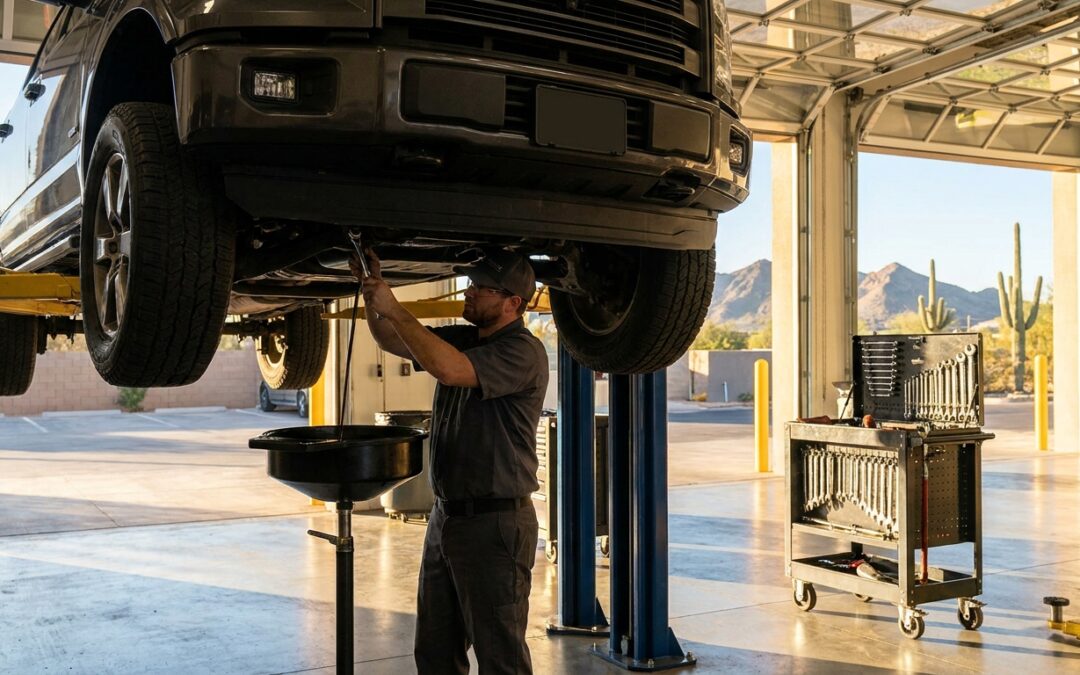
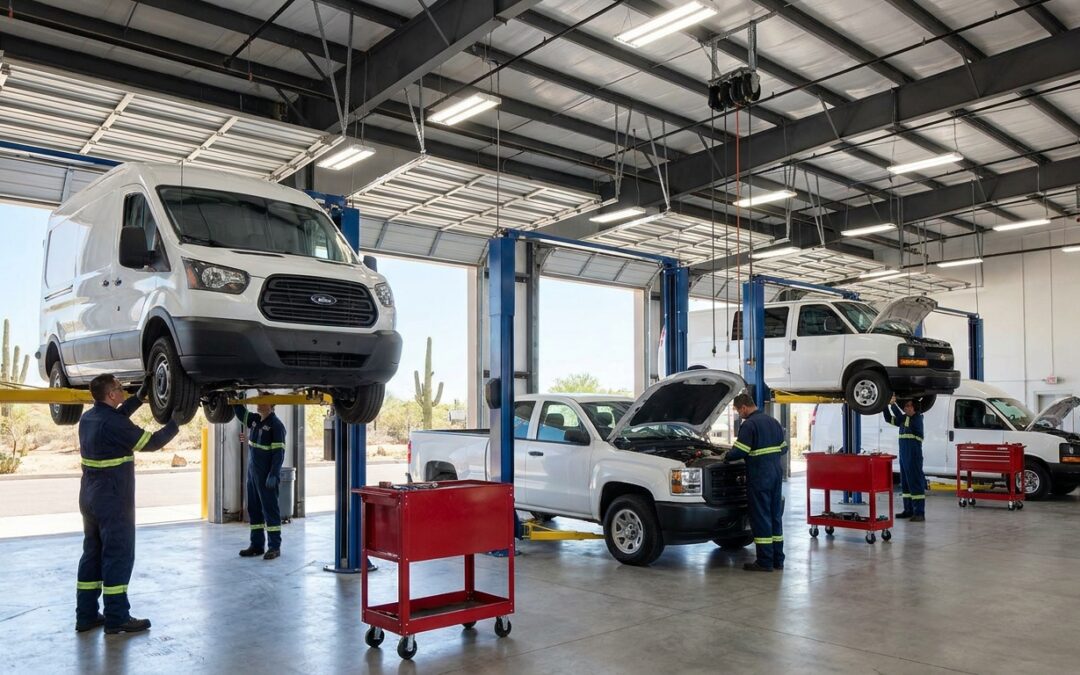
A quality oil change Apache Junction AZ drivers can count on is more than draining a pan and pouring in new oil. At Network Automotive, every oil change includes draining the old oil completely (including letting it fully warm and drip out, not just a quick 30-second drain), replacing the oil filter with an OEM-spec filter, refilling with the correct weight and formulation of oil for your engine, and resetting the oil-life monitor. We also perform a full multi-point inspection while your vehicle is already up on the lift — checking belts, hoses, brake wear, tire pressure and tread, battery terminals, and fluid levels.

That last part matters more than most drivers realize. Because we’re already underneath your vehicle, catching a worn serpentine belt or a leaking hose during a routine oil change is how we prevent a $150 fix from turning into a $1,500 tow-truck call on the Superstition Freeway. Quick-lube chains that rush you through in nine minutes rarely do a real inspection — they’re incentivized to get you out the door and upsell a wiper blade on the way.

Common Oil Change Upsells to Watch For

Because oil changes are high-volume, low-ticket services, some shops make up the margin with upsells that aren’t always necessary. Here’s what to watch for before you approve extra work at any Apache Junction oil change stop:

  • “Engine flush” on every visit: Rarely needed unless you’re recovering from severe neglect or sludge buildup — not a routine add-on.
  • Fuel injector cleaning at every oil change: Useful occasionally, not something your engine needs every 5,000 miles.
  • Pushing synthetic when your manual specifies conventional: Sometimes worthwhile for extra protection, but should be your choice, not an automatic upcharge.
  • Vague “shop fees” or disposal charges that weren’t quoted before you agreed to service.
  • Scare-tactic language about your engine “about to fail” without showing you the actual oil, filter, or part in question.

A trustworthy shop will show you the dirty filter, the color of your old oil, or a photo of a worn belt before asking you to pay for anything beyond the oil change itself. If a shop can’t show you the evidence, that’s a red flag worth remembering for your next oil change in Apache Junction.

Free Oil Change Price Check

Tell us your vehicle and oil type and we’ll give you an honest, upfront price — no surprise fees, no pressure to upgrade.

Get My Price →

Conventional vs. Synthetic vs. High-Mileage: What’s Right for Your Vehicle

“Which oil do I actually need?” is the question we field more than any other on every oil change Apache Junction AZ appointment. The honest answer depends on your engine, mileage, and how hard Arizona heat is working against you. Here’s the real breakdown, with 2026 Apache Junction pricing:

Oil Type Best For Change Interval (AZ Heat) Price (Apache Junction)
Conventional Older, simpler engines; budget-conscious daily drivers 3,000–4,000 mi $45–$65
Full Synthetic Most modern engines, turbocharged vehicles, extreme heat 6,000–7,500 mi $80–$120
Synthetic Blend Middle ground for higher-mileage daily drivers 5,000–6,000 mi $65–$90
High-Mileage Formula Vehicles over 75,000 miles; seal conditioners included 5,000–6,000 mi $75–$110
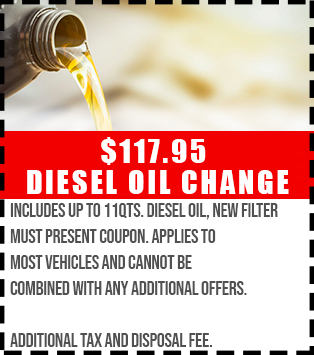
Diesel Oil Change Diesel trucks, work vehicles, towing 5,000–7,500 mi $120–$220

Those are the real 2026 ranges for an oil change Apache Junction AZ drivers should expect — not quotes, since your exact price depends on year, make, model, and oil capacity. But here’s the thing most quick-lube chains won’t tell you: if your owner’s manual specifies full synthetic, using conventional oil to save $30 can void your powertrain warranty and accelerate wear in a way that costs far more down the road. We’ll always tell you straight what your specific engine needs — not just whatever’s cheapest to push that day.

Why Arizona Heat Changes the Math

Motor oil breaks down faster at high sustained temperatures. An engine that’s rated for a 7,500-mile synthetic interval in a mild climate is realistically better served at 5,000–6,000 miles once you’re regularly seeing 110°F+ days and parking on asphalt that can hit 150°F+ at the surface. Apache Junction, Gold Canyon, and Superstition-area drivers who stick to the manufacturer’s “ideal climate” interval printed in the manual are often pushing their oil well past its real protective life.

It isn’t just the oil itself — heat also accelerates wear on the rubber and plastic components an oil change brings us close to: serpentine belts, hoses, and drive belt tensioners all age faster under desert sun and engine bay heat. That’s part of why we treat the multi-point inspection as a real inspection and not a rubber stamp; catching a heat-cracked hose during a routine oil change is far cheaper than a roadside breakdown on the Superstition Freeway in July.

Our Oil Change Process at Network Automotive

Here’s exactly what happens when you book an oil change Apache Junction AZ drivers can rely on — no upsell script, just the real workflow our ASE-certified techs follow every time:

  1. Vehicle intake & mileage check. We pull your service history (if you’re a returning customer) and confirm the manufacturer-recommended oil weight and type for your exact engine.
  2. Full drain. We let the oil fully warm and drain completely — not a rushed 30-second dump — so you’re not paying for oil that’s still sitting in the pan.
  3. Filter replacement. OEM-spec oil filter, every time. No generic off-brand filters that restrict flow or fail early.
  4. Correct refill. Exact oil weight and volume for your engine, checked against manufacturer spec — overfilling or underfilling both cause damage.
  5. 36-point multi-point inspection. Belts, hoses, brakes, battery, tires, fluids, and more — while you’re already up on the lift, at no extra charge.
  6. Oil-life monitor reset. So your dashboard accurately tracks your next interval instead of nagging you early or late.
  7. Written summary. You get a plain-English rundown of anything we noticed during the inspection, with photos if something needs attention — no pressure, your call on what to fix and when.
  8. Road-ready check. We double-check for leaks and confirm oil level one more time before you drive off.

Ask to see your old filter and oil color. Any shop worth returning to will show you what came out of your engine, not just tell you it “looked bad.” It takes ten seconds and tells you a lot about how thorough the service actually was.

30+
Years serving the East Valley. Network Automotive has been family-owned and ASE-certified since 1995. Apache Junction, Mesa, Gilbert, Queen Creek, Prescott — same trucks, same families, same mechanics, for three decades.

Oil Change Apache Junction AZ: What It Costs Today

Straight numbers for an oil change Apache Junction AZ vehicles need in 2026, no bait-and-switch quote that turns into $40 more once you’re in the chair:

  • Conventional oil change: $45–$65, includes filter and multi-point inspection.
  • Full synthetic oil change: $80–$120 depending on engine capacity and filter type.
  • Synthetic blend: $65–$90, a middle-ground option for higher-mileage daily drivers.
  • Diesel oil change: $120–$220, reflecting higher oil capacity and filter cost.
  • Add-ons like cabin air filters, wiper blades, or coolant top-offs are always quoted separately and never added without your OK.

Compare that to the cost of skipping oil changes: a sludged engine from neglected maintenance can mean a $4,000–$8,000 engine replacement. A $90 synthetic oil change is one of the cheapest insurance policies you can buy for a vehicle that costs $30,000+ to replace.

Questions to Ask Before You Book an Oil Change

  • Is the filter and inspection included in the quoted price, or extra?
  • What oil weight and type does my specific engine require?
  • Will you show me the old oil and filter before I leave?
  • Is there a warranty on the work if something leaks afterward?
  • What’s your actual wait time right now — not the advertised one?

How long does it take?

Most oil changes at our Apache Junction-area locations are completed in 30–45 minutes, including the multi-point inspection. No appointment is required for routine oil changes, though scheduling ahead means less waiting, especially on Saturdays.

Stop Overpaying for Guesswork

Get an honest, upfront oil change price for your exact vehicle — and a free 36-point inspection while you wait.

Book My Oil Change →

Warning Signs You’ve Waited Too Long

An overdue oil change Apache Junction AZ vehicles put off doesn’t always announce itself with a dashboard light. Watch for these signs that your engine is already running on borrowed time:

  • Oil-change or check-engine light on: Don’t clear it and keep driving — get it looked at within days, not weeks.
  • Louder engine noise or ticking at startup: Often the first sign oil has broken down and isn’t protecting moving parts properly.
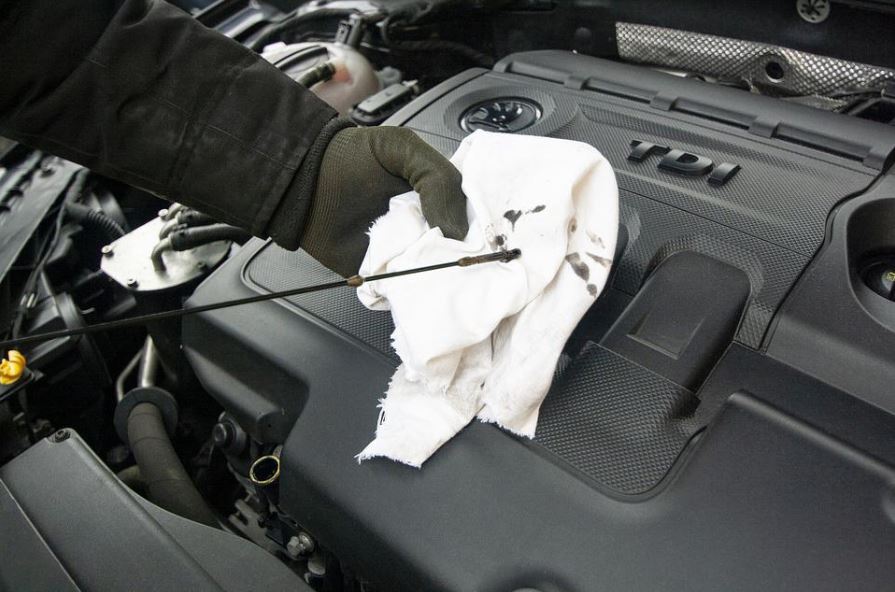
  • Dark, gritty oil on the dipstick: Fresh oil is amber and translucent. Black, gritty oil means it’s well past its protective life.
  • Burning oil smell in the cabin: Can indicate a leak onto a hot engine component — get it inspected same day.
  • More than 2,000 miles past your sticker date in summer: In Apache Junction heat, this is when oil breakdown accelerates fastest.

A note on Arizona summer heat: Sustained 110°F+ days put extra thermal stress on motor oil, especially in stop-and-go traffic on Idaho Road or US-60. Vehicles that tow, haul, or idle frequently in traffic should lean toward the shorter end of any interval range — and never stretch a conventional oil change interval past 4,000 miles in peak summer.

Overdue for an Oil Change Apache Junction AZ? Do This Now

  1. Check your dipstick. Dark, gritty, or low oil means don’t put it off any longer.
  2. Note your last oil-change date and mileage. This helps us recommend the right interval going forward.
  3. Listen for new engine noise. Ticking, knocking, or louder-than-normal idle is a sign to get in this week, not next month.
  4. Avoid long highway trips or towing until you’ve had the oil checked if you’re significantly overdue.
  5. Call Network Automotive. (480) 444-0242 — we’ll get you a same-day or next-day slot and give you an honest price over the phone.

Why Apache Junction Drivers Trust Network Automotive

There’s no shortage of quick-lube chains along US-60 offering a cheap oil change Apache Junction AZ drivers might be tempted by. Here’s what’s actually different when you choose Network Automotive for your next oil change Apache Junction AZ appointment:

  • Family-owned since 1995. Three decades, five+ locations across Mesa, Gilbert, Apache Junction, Queen Creek, and Prescott.
  • ASE-certified technicians — not a rotating cast of minimum-wage quick-lube staff.
  • Real 36-point inspection included with every oil change, not a rushed glance.
  • 3-year / 36,000-mile nationwide warranty on parts and labor for any repair work we perform.
  • Upfront, written pricing — the price we quote is the price you pay, no surprise disposal fees tacked on at checkout.
  • Correct oil for your engine, every time — we never substitute conventional for synthetic to save money without telling you.
  • The same honest oil change Apache Junction AZ neighbors have trusted for decades — not a corporate quick-lube chain that changes ownership every few years.

See our full service menu, learn more about Network Automotive, or check current oil change coupons before you book.

Oil Change Apache Junction AZ: Service Area

Network Automotive Service Center is the trusted choice for an oil change Apache Junction AZ drivers can count on across:

  • Apache Junction — including Superstition, Gold Canyon, and surrounding communities
  • Mesa — East Mesa, Las Sendas, Red Mountain, downtown
  • Gilbert — Agritopia, Morrison Ranch, Seville, Power Ranch
  • Queen Creek — Cortina, Pecan Lake, Ironwood Crossing, San Tan Heights
  • Prescott — Prescott Valley and surrounding areas

Coming from the Apache Junction area? Visit our Apache Junction location page for hours and directions, or use our online appointment scheduler to pick the nearest shop.

Whether you’re commuting into Mesa on US-60, hauling a trailer out toward Gold Canyon, or just trying to keep a daily driver running through another Arizona summer, an oil change is the cheapest and easiest way to protect the investment you’ve already made in your vehicle. Our Apache Junction-area customers range from single daily commuters to fleet accounts running multiple work trucks — and every one of them gets the same honest pricing and real inspection, whether it’s their first oil change with us or their fiftieth.

Apache Junction Oil Change FAQ

How much does an oil change Apache Junction AZ cost?

An oil change Apache Junction AZ drivers get at Network Automotive runs $45–$65 for conventional, $80–$120 for full synthetic, and $120–$220 for diesel, all including a filter and free 36-point inspection. Your exact price depends on your vehicle’s engine size and oil capacity. Call (480) 444-0242 for a quote on your specific vehicle.

How often do I really need an oil change in Arizona heat?

Sooner than the sticker often suggests. Conventional oil should be changed every 3,000–4,000 miles in Apache Junction’s summer heat, while full synthetic can typically stretch to 6,000–7,500 miles. Vehicles that tow, idle frequently in traffic, or see heavy summer driving should lean toward the shorter end of that range.

Do I really need synthetic oil, or is conventional fine?

If your owner’s manual specifies full synthetic, using conventional oil can void your powertrain warranty and cause faster wear, especially in Arizona heat. Older, simpler engines without a manufacturer synthetic requirement can often run safely on conventional oil at shorter intervals. We’ll tell you honestly what your specific engine needs.

What’s included in your oil change besides the oil itself?

Every oil change at Network Automotive includes an OEM-spec oil filter, a full drain (not a rushed partial drain), a free 36-point multi-point inspection covering belts, hoses, brakes, battery, tires, and fluids, and an oil-life monitor reset — all at no extra charge.

Can a delayed oil change really damage my engine?

Yes. Oil that’s broken down from heat and mileage loses its ability to lubricate and cool moving parts. Over time this leads to sludge buildup, accelerated wear on bearings and camshafts, and in severe cases, complete engine failure — turning a $90 oil change into a $4,000–$8,000 engine replacement.

Do you offer high-mileage oil for older vehicles?

Yes. High-mileage oil formulas include seal conditioners that help reduce leaks and burn-off in engines over 75,000 miles, typically priced at $75–$110 in Apache Junction. We’ll recommend it if it’s a good fit for your specific vehicle’s mileage and condition.

Do I need an appointment for an oil change?

No appointment is required for a routine oil change — we accept walk-ins at all our East Valley locations. That said, scheduling ahead through our online booking page means less wait time, especially on Saturday mornings.

What if you find something else wrong during the inspection?

We’ll show you photos and explain it in plain English — nothing gets fixed without your approval. If you do choose to have us handle it, the repair is backed by our 3-year / 36,000-mile nationwide warranty on parts and labor.

Can I bring my own oil or filter to save money?

We source OEM-spec filters and quality oil directly, and our quoted prices already reflect competitive parts costs, so bringing your own rarely saves money and can complicate warranty coverage if something goes wrong. If you have a specific brand preference, ask — we’re happy to talk through options before we start.

Oil Change Apache Junction AZ: Get an Honest Price Today

Family-owned in the East Valley since 1995, ASE-certified technicians, a free 36-point inspection with every visit, and a 3-year nationwide warranty on repairs. Bring us your vehicle for your next oil change Apache Junction AZ appointment — we’ll take care of the rest.

The important of getting an oil change in Queen Creek Arizona

The important of getting an oil change in Queen Creek Arizona

In the dry and dusty climate of Queen Creek, Arizona, regular oil changes are of paramount importance to keep your vehicle running smoothly. The scorching desert heat and dusty roads pose unique challenges to your engine’s performance and longevity. By adhering to scheduled oil changes, you ensure that your engine remains well-lubricated, protected from contaminants, and operating at its best. Whether you’re driving in the arid desert landscape or navigating the city streets, timely oil changes in Queen Creek are a critical part of vehicle maintenance.

Not only do regular oil changes enhance the performance of your vehicle, but they also safeguard your investment. By investing in timely oil changes, you minimize the risk of engine damage, extend the lifespan of your car, and potentially increase its resale value. Moreover, adhering to the manufacturer’s recommended maintenance schedule, including oil changes, is essential for preserving your vehicle’s warranty coverage. Whether you’re a local resident or a visitor exploring Queen Creek, prioritize regular oil changes to ensure your vehicle’s reliability and longevity in this unique Arizona environment.

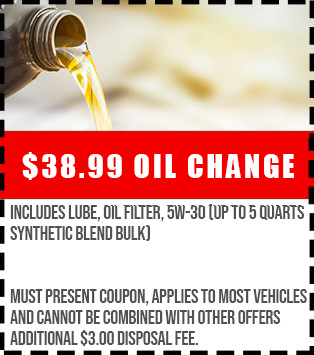
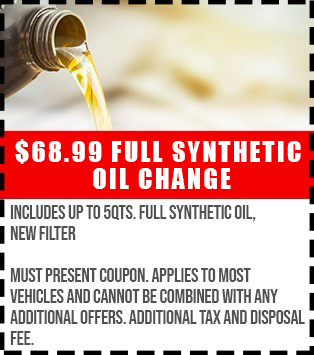
Looking to save money on your next oil change? Look no further! Check out our coupon page at Network Automotive Service Center (https://networkautomotive.com/coupons-network-automotive-service-center/) and take advantage of exclusive deals and discounts. Our coupons are designed to help you keep your vehicle running smoothly while saving some extra cash. With our experienced technicians and state-of-the-art facilities, you can trust us to provide top-notch service without breaking the bank. Don’t miss out on the opportunity to save money on your oil change. Call us at 480-444-0242 or visit our coupon page today and enjoy the benefits of affordable automotive maintenance at Network Automotive Service Center.

Why Is My Oil Leaking?

Why Is My Oil Leaking?

Few things trigger car-owner dread like walking out to the driveway and spotting a dark stain under the engine. Oil leaks are among the most common problems we see, and they range from a minor seep you monitor to a serious leak that threatens the engine itself. The good news is that oil leaks almost never appear without a traceable cause, and finding that cause early usually means a simpler, cheaper repair. Here is why oil leaks happen, how to read the clues, and when to get a Chandler, AZ auto repair professional involved.

Chandler, AZ auto repair

First, Confirm It Is Actually Oil

Cars can drip several fluids, and each tells a different story. Engine oil is amber to dark brown or black, with a slick feel and a distinct petroleum smell. Pink or red fluid is usually transmission or power steering fluid. Green, orange, or yellow watery fluid is coolant. And clear water dripping near the front passenger side in summer is almost always harmless air conditioning condensation, which Valley drivers see constantly and often mistake for a leak.

A simple trick: slide a piece of cardboard under the engine overnight. The color and position of the drips give you and your mechanic a head start on the diagnosis.

The Most Common Causes of Oil Leaks

Nearly all oil leaks trace back to a handful of usual suspects:

  • Valve cover gasket. The rubber gasket sealing the top of the engine hardens with age and heat, then seeps. Often shows up as oil smell or light smoke as oil drips onto hot parts.
  • Oil pan gasket or drain plug. The pan lives at the bottom of the engine, so leaks here drip straight to the ground. A worn drain plug washer or a loose plug is one of the cheapest fixes on this list.
  • Oil filter issues. A filter that is loose, overtightened, or double-gasketed can leak noticeably, sometimes right after an oil change.
  • Front and rear main seals. These seal the rotating crankshaft, and when they age, oil finds its way out. The rear main is more involved to replace because of its location.
  • Timing cover and other gaskets. Various seals around the engine each have their own failure pattern, which is why identifying the true source matters before replacing parts.

Why Arizona Heat Makes Leaks More Common

Most of the parts above are rubber or cork-based seals, and heat is what ages them. Underhood temperatures in a Chandler summer are extreme, and years of those heat cycles harden gaskets, shrink seals, and crack o-rings sooner than in milder climates. It is one reason oil leaks show up on Valley vehicles at ages and mileages that might surprise drivers from cooler places. Heat also thins oil slightly, which helps it find escape paths that thicker, cooler oil might not. None of this is cause for panic, but it is a good reason for East Valley drivers to take fluid levels and driveway spots seriously.

How Serious Is Your Leak?

Not every leak is an emergency, but every leak deserves a plan:

  • A few drops occasionally is worth monitoring closely and mentioning at your next service. Check the dipstick regularly to make sure the level stays healthy.
  • A regular spot with every parking means schedule an inspection soon, before the leak grows and before oil-soaked components create secondary problems.
  • A spreading puddle, a low dipstick reading, or the oil pressure light means stop driving and get help now. Running an engine low on oil can destroy it in minutes, turning a gasket repair into an engine replacement.

There is also a hidden cost to ignoring leaks: oil dripping onto hot exhaust parts creates smoke and a fire risk, and oil-soaked belts and mounts deteriorate quickly.

Diagnosing and Fixing the Leak Properly

Oil travels. It blows backward in the wind stream and runs down along the engine, so the wet spot you see is often not where the leak starts. Professional diagnosis means cleaning the engine, then tracing the fresh oil to its true origin, sometimes with dye and ultraviolet light for stubborn cases. That step matters, because replacing the wrong gasket fixes nothing. Once the source is confirmed, you get a clear picture of the repair and its urgency. If your oil level has been dropping without visible drips, the oil may be burning or leaking while driving, and that pattern is worth mentioning when you call. Reach our team at (480) 444-0242 and describe what you are seeing, and check our engine diagnostics articles to understand the process.

What About Stop-Leak Additives?

Auto parts stores sell bottles that promise to stop oil leaks from the inside, and it is fair to wonder whether one of those is easier than a repair. The honest answer: these products work by causing seals to swell or soften, which can slow a minor seep for a while, but they do not repair anything. The aged gasket is still aged, the leak path is still there, and the additive is circulating through your entire engine, not just the one seal you care about.

For an older vehicle with a slow seep, an additive is sometimes a reasonable stopgap while you plan the proper fix. For a meaningful leak, it is a delay disguised as a solution, and the underlying problem keeps aging while you wait. A better use of that money is a proper diagnosis, so you know exactly what is leaking and can decide on the repair with real information instead of hope.

Keep Your Engine Protected

Between visits, two habits protect you: check your dipstick monthly (more often if you have a known seep), and stay on schedule with oil changes, since fresh oil and a correctly installed filter prevent some leaks outright. Our oil change and maintenance articles can help you build the routine.

An oil leak caught early is usually a manageable repair. An oil leak ignored is how engines die. Network Automotive Service Center has been family-owned since 1995, serving Chandler and the East Valley. Explore our services and call (480) 444-0242 to schedule a leak inspection. We will find where it is coming from and give you straight answers about what it needs.

Tips For Improving Gas Mileage

Tips For Improving Gas Mileage

When you are thinking about all the ways you can save money on gas, there are a few things you can do to improve gas mileage. If you are worried that there could be a problem with your car that is causing you to get low gas mileage, reach out to a Mesa, AZ auto repair shop. We are here to assist with all your car repair needs.

Maintain a calmer driving style. Gas is wasted when driving aggressively, which involves excessive acceleration and frequent braking. Make sure you follow traffic flow rather than always trying to pass other vehicles. On the highway, this can increase mileage by up to 33 percent, while in town, it can increase mileage by up to 5 percent.

The speed limit is to be followed. Between 45 and 60 mph is the speed at which most cars reach their maximum efficiency. Above 60 mph, efficiency rapidly decreases. In addition, you’ll save money: 35.2 cents per gallon of gas becomes 24 cents per gallon if you exceed 60 mph.

Make sure you only pack what you need. A car’s fuel efficiency decreases by 1 to 2 percent for every 100 pounds of cargo it carries. There is a greater impact on smaller cars than on larger ones.

Unless absolutely necessary, avoid using roof racks. If possible, store gear in the trunk rather than on the roof rack, which will reduce your gas mileage and cause aerodynamic drag.

Mesa, AZ auto repairThe air conditioning should be turned off. Open the windows at lower speeds or use the flow-through ventilation system in your automobile. Up to 20 percent of your mileage can be lost when running the air conditioner.
When you’re waiting for long periods of time, don’t idle. Turning the engine off while waiting consumes about as much fuel as restarting the vehicle, so idling for 10 seconds is more efficient. Overdrive gears and cruise control are especially useful for long highway drives.

Make sure your tires are inflated every month. Check your owner’s manual or the inside of the driver’s side door for the recommended pressure for your tires. It is not recommended to inflate your tires to the maximum pressure listed on them. Gas mileage can be improved by approximately three percent with properly inflated tires.

Take advantage of rush hour by planning your outings in advance. The more you brake, the more you idle, and the more gas you waste when you drive during busy hours. Using less gas is as simple as idling less and braking less. When planning your trips, try to pick times when there will be less traffic.

If you are planning to save gas on your next drive, there are a few different things you can do to reduce how much your car is using. If you are looking for a way to save money on your daily drives and also reduce the wear and tear on your car, there are ways to improve mileage. Another option is to have your car inspected by a Mesa, AZ auto repair shop. Reach out to us to make an appointment to have your car serviced today.

Things That Can Go Wrong With Your Oil

Things That Can Go Wrong With Your Oil

If you are going to have your oil changed or if you are noticing something is wrong with your car, you might be wondering what the problem could be. There are many things that you may find wrong with your oil. Understanding the problem will allow you to figure out what is going on with your car and whether or not you need to have your oil changed or if there is a problem with your engine oil. If you do need to have your oil changed, be sure to reach out to a Chandler, AZ auto repair shop for help with your car.

Is The Oil Dirty

Oil sludge is often thought of as dirty oil, but that’s not all. The oil must be dirty. It wraps around your car’s engine, lubricating metal components that should slide smoothly through each other. When oil gets contaminants like sawdust, dirt and water, it picks them up and passes them through a filter. When done properly, engine oil gets dirty on the hands. Over time, exposure to heat and other wastes causes oxidation, which is a change at the molecular level. Instead of sliding off, the oil gets sticky and sticky (burnt marshmallows, remember?). Contaminants stick to the oil and clog the filter. The oil also loses its ability to withstand heat and begins to burn on the components it needs to protect.

Metal Flakes

Engine components are designed to slowly slide together to create enough pressure to propel the vehicle. Poor clay sticks to any hot metal surface. These materials are now rubbing. The mud has pitted the important moving parts against each other. This causes friction and it will eventually cause your engine to break down and could lead to severe problems. If you see flakes of metal in your oil, and you think they may be caused by grinding parts in the motor, it will need to be dealt with quickly.

Synthetics

Chandler, AZ auto repairSynthetic oils are less sensitive to temperature damage than conventional oils. For drivers in very cold climates, synthetic oil helps your vehicle start more consistently. It also reduces the wear that occurs when the engine is too cold. Synthetic oils also have much lower evaporation rates than conventional oils. If you drive a lot, the heat inside your engine will increase. Synthetic oil provides greater protection against extreme heat for a longer period of time.

If you think there may be some issues with your oil and you want to be able to have your car serviced or checked out, you will want to consider all of the above points. Oil is important for your car and there are a lot of things that can go wrong with it and make your car have issues. If you need to have your car inspected or if you need to make an appointment for your car be sure to reach out to a Chandler, AZ auto repair shop. We are here to help.

How To Get Better Gas Mileage

How To Get Better Gas Mileage

If you are trying to get better gas mileage with your car, there are a few things to consider. Of course the best option is to have it serviced by a Chandler, AZ auto repair shop. If you are looking for some other tips that can help until your next service appointment, be sure to keep some of these suggestions in mind.

Remove The Roof Rack

Anything that makes your car less aerodynamic is your enemy in terms of fuel economy. The problem with roof racks, or other bars that you can attach to your car, is that they add drag, which means your car can’t drive efficiently and you use more gasoline. As we’ve learned, any extra weight is also detrimental to your fuel economy. So if you’re not using a shelf, remove it. It is not that hard. The sooner you delete it, the faster you can do it.

Choose The Right Fuel

When you visit your local gas station, you will find that you have many options for refueling. Most motorists look at the price difference and simply opt for cheap goods. But there is a reason gasoline is more expensive. Some cars are not designed to run on cheaper, lower octane gasoline, but they work better and more efficiently on higher octane gasoline. The car manual tells you which type of gasoline is suitable for your car.

Keep Tires Properly Inflated

We have already learned the importance of always having your tires inflated to the optimum pressure, but it is also important that your vehicle has the correct tires. When you have a new car, the manufacturer makes sure that the car is fitted with the correct tires for the car. However, if you’ve bought a used car or changed your tires since purchasing it, it may be worth double-checking that they fit.

Reduce The WeightChandler, AZ auto repair

In an effort to save money, some of us like to turn our vehicles into trucks or vans, lots of luggage and other items that we can store in drawers or even bunk beds. Unfortunately, this increases the weight of our car, which makes the engine faster, which makes it difficult to work with. As you already know, an engine that runs at high speeds or requires about twice as much fuel as normal.

If you are planning a road trip, have just bought a new car, or you just want to save money on gas there are a few things you can do. The above suggestions are just a few things to consider. If you want to make sure your car is in the best condition and will get the best gas mileage, be sure to have it inspected and tuned up at a Chandler, AZ auto repair shop. When your car is working properly, it won’t work as hard and will use less gas. Call today to make an appointment to have your car checked. Network Automotive Service Center is happy to help you. Call today to learn more.

Network Automotive Service Center
Privacy Overview

This website uses cookies so that we can provide you with the best user experience possible. Cookie information is stored in your browser and performs functions such as recognising you when you return to our website and helping our team to understand which sections of the website you find most interesting and useful.