
by | May 2, 2022 | Engine & Diagnostics
You spot it as you pull out of the garage: a fresh puddle where your car spent the night. Every driver’s first two questions are the same. What is it, and how worried should I be? The honest answer is that it depends, and the good news is that the leak itself usually tells you. Color, location, and consistency narrow down a mystery fluid fast, and knowing how to read those clues helps you decide between “schedule an appointment this week” and “do not drive this car.” Here is a practical guide to identifying what is leaking, from a Mesa, AZ auto repair shop that diagnoses driveway puddles every week.

First, an Easy One: Clear Water Is Usually Fine
If you find clear, thin water under the front passenger area on a hot day, especially after running the air conditioning, relax. That is condensation draining from your AC system, and it is completely normal. In Arizona summers, a well-working AC can leave a surprisingly large puddle. The key traits: it is clear, it has no smell, it does not feel slick, and it evaporates without a stain. If your “water” leaves residue or has color, keep reading.
Brown to Black and Slick: Engine Oil
Engine oil is amber when new and darkens toward brown or black as it runs. Oil spots usually appear under the front-to-middle of the vehicle, feel greasy between your fingers, and leave a stain on concrete. Common sources include valve cover gaskets, the oil pan gasket or drain plug, and seals that harden with age, a process our desert heat accelerates.
A few drops occasionally is worth monitoring and mentioning at your next service. A spreading spot, a burning oil smell, or a low dipstick reading is worth a prompt appointment, because running an engine low on oil is one of the fastest ways to turn a gasket repair into an engine repair.
Red or Reddish-Brown: Transmission or Power Steering Fluid
Red, thin, slightly sweet-smelling fluid usually means automatic transmission fluid or power steering fluid, and neither should be ignored. Transmission fluid spots tend to show up under the middle of the car; power steering leaks typically appear closer to the front. Watch for companion symptoms: slipping or delayed shifts point to the transmission, while a whining noise when turning points to power steering.
Transmission leaks deserve special respect in the East Valley, because heat is already the enemy of transmission life, and low fluid makes everything run hotter. Caught early, many leaks are simple gasket or line repairs; you can read more about what is at stake in our transmission archive.
Green, Orange, or Pink and Sweet-Smelling: Coolant
Brightly colored fluid, often green, orange, or pink, with a sweet smell is coolant, and in Arizona it is the leak that can strand you fastest. Coolant leaks come from radiators, hoses, water pumps, and reservoir tanks, and every one of them matters here, because your cooling system has almost no spare capacity in a 110-degree summer. A car that is losing coolant is a car that is going to overheat; the only question is when.
Treat coolant leaks as urgent. Watch your temperature gauge, do not drive a car that is running hot, and never open a hot radiator cap. One more caution for pet owners: coolant’s sweet taste attracts animals and it is toxic, so clean up puddles promptly. Our AC and cooling system archive covers overheating and cooling problems in more depth.
The Two You Never Ignore: Brake Fluid and Fuel
Two leaks skip the watch-and-wait category entirely. Brake fluid is clear to light brown, slick, and typically appears near wheels or under the master cylinder area at the firewall. Because your braking system is hydraulic, any fluid loss can mean reduced stopping power, and a soft or sinking pedal alongside a leak means the car should not be driven. Gasoline announces itself by smell; a fuel odor or a rainbow-sheened puddle is a fire risk and deserves immediate professional attention, not a test drive. For either of these, the right move is to stop driving and call (480) 444-0242 to talk through the situation before the car moves again.
The Less Common Suspects
A few other fluids occasionally show up on driveways. Bright blue or blue-green watery fluid is usually windshield washer fluid, annoying but harmless. Thick, honey-to-dark gear oil with a strong smell can come from a differential or manual transmission, typically appearing near the axles. A slick film on a shock absorber or strut, sometimes with a wet streak down its body, means the damper is leaking internally and losing its ability to control the ride. None of these are as urgent as brake fluid or fuel, but all of them are worth mentioning at your next service, because each one marks a component that is no longer sealed the way it should be.
How to Give Your Shop a Head Start
Want the fastest possible diagnosis? Do this before your appointment: slide a piece of clean cardboard under the car overnight, then note three things in the morning. Where is the drip relative to the car (front, middle, driver side)? What color is it? How much is there? A photo helps too. That small bit of homework, plus a description of any new noises, smells, or driving changes, lets a technician confirm the source quickly instead of starting from zero. Leaks are also easiest to trace when they are fresh, one more reason not to wait until the spot has been reappearing for a month.
Every leak is your car volunteering information; the expensive mistake is ignoring the message. Network Automotive Service Center has been family-owned since 1995, and finding the real source of a leak, rather than guessing at it, is exactly the kind of work we do every day. If something is dripping under your vehicle, explore our services or call (480) 444-0242 to schedule a diagnosis. We will tell you what it is, how serious it is, and what it takes to make your driveway boring again.
by | Sep 27, 2021 | Engine & Diagnostics
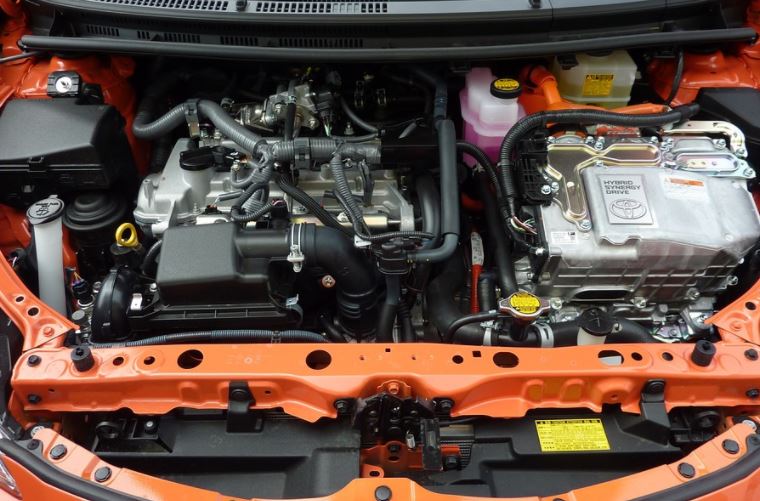
If you are driving your car and hear it start to make noise, you may be worried that something could be seriously wrong. Few things are as stressful as an undiagnosed car sound. Your motor can make noise for a variety of reasons and it’s important to have it diagnosed to find out what needs to be fixed before the problem gets worse. It could be something simple or something more serious. If you are hearing strange or loud engine sounds, it could be one of these issues. Be sure to take it to a Chandler, AZ auto repair shop for help.
Engine Knocking
Although engine knock is a well-known phenomenon among auto mechanics, there are many more things that can cause what you call knock. For example, when the engine rotates, it will drive a belt to turn the pulleys on various accessories under the hood to provide power for them. These accessories include water pumps, air conditioning compressors, power steering pumps, etc. If these pulleys are cracked, bent, warped, or otherwise damaged, they may begin to vibrate as they rotate. The faster the motor turns, the faster these pulleys turn, which may make you make more noise when accelerating.
Pulley
If it is not a pulley, it may even be an accessory belt that causes noise. If you describe the noise as loud, high-pitched, squeaky, harsh, or harsh, you may have a problem with your belt. Things such as belt slips, stretches, or oil will start to make noise, especially when the engine is cold. If you detect a rapid knock from the engine while driving, your engine may be shocked. You may find that this problem gets worse as you speed up.
Small Combustion
Noises can happen when some of the fuel in the cylinder explodes before the rest of the fuel. When your engine is running normally, the spark plug starts the combustion process, burning all the fuel in the cylinder in a controlled explosion. If the octane rating of the fuel you are using is too low, or other parts of the engine have other damage, some of these fuels may detonate prematurely. These explosions can produce knocking or popping noises. While this may sound terrifying, it doesn’t mean your car will blow up. It does mean you should take it to have to looked at by a repairman as soon as possible to avoid expensive damage and other problems
Choosing the have your car repaired by an experienced Chandler, AZ auto repair shop is the best way to ensure it is safe for the road and operating well. You want to be able to depend on your car and you can only do that if you keep it running. If your engine is making odd noises or if it has suddenly gotten loud, you will want to have it fixed as soon as possible Be sure to call Network Automotive Service Center for help with all your car repair needs. We are happy to help you.
by | Jun 7, 2021 | Engine & Diagnostics
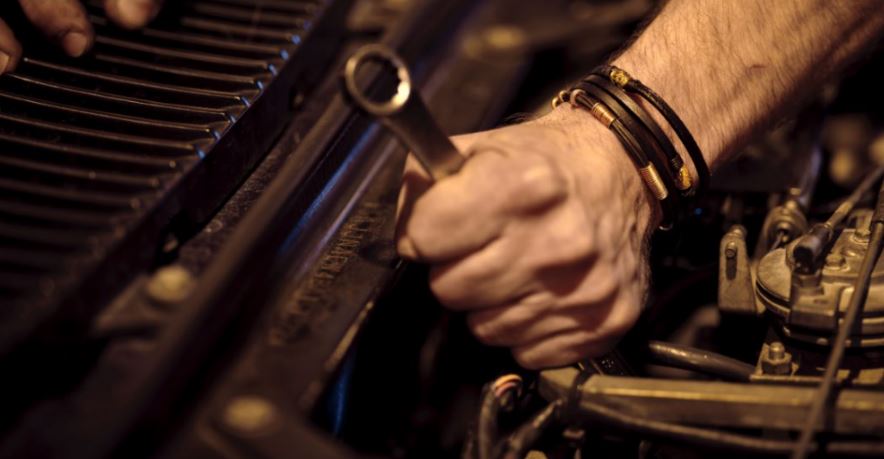
If your car starts to make noises, your first thought might be to ignore it. Ignoring a sound can make the problem worse and make your car unsafe. Some noises are serious and others are just a sign of a minor issue. If you are hearing any of these sounds, it’s time to make an appointment with a Mesa, AZ auto repair shop. Here are the most common noises that can occur when there is a problem with your car. Keep in mind there are other sound that may be cause for concern as well.
Expanded Engine Noise when Accelerating
A common sign of a problem is a loud noise when giving the car gas. If the car appears to be louder than normal, it might be a sign that you should service it. Does your motor appear to be stronger than it use to? Particularly during speed increase? This might be brought about by an exhaust leak which can be unsafe to your vehicle and yourself. You should make an appointment with a car repair shop to have the exhaust inspected and ensure there are no other severe problems with the vehicle.
Motor ticks
Sometimes the noises you hear while driving are small and take some time to notice. Ticking commotions coming from the motor region can be brought about by various things, for example, fuel injectors, valves or even indents in belts. It is essential to have the issue looked at quickly to forestall further harm. The longer your motor ticks, the more problems that may occur with it. Taking care of the smaller problem when you notice them will help you avoid problems that are more serious and could require more expensive repairs.
Thumping Noise in the engine
A thumping sound that increments and diminishes in speed with the RPMs of the motor is likely being brought about by destroyed motor direction. It is fundamental that you get this issue dealt with quickly to forestall the chance of complete motor disappointment. The course are what the moving pieces of the motor lay on and they can wear out because of low oil levels or general mileage from high mileage. Not only are thumping noises annoying and frustrating, they could make it hard to focus on driving and make your drive more dangerous.
If you are planning to have your car maintenance or if you are hearing odd sounds coming from the vehicle, it may be wise to make an appointment with a trusted Mesa, AZ auto repair shop. You can find an auto shop that will identify the source of the sound and find the reason for it. They will make the repairs and ensure your car is is good condition and ready for the road. If you need help making an appointment to have your car serviced, be sure to call Network Automotive Service Center. We are happy to help you get your car running properly. Give us a call today to learn more about the services we can offer you.

by | May 24, 2021 | Engine & Diagnostics
Few sights make a driver’s stomach drop like a fresh puddle under the car. Is it harmless condensation or the start of an expensive problem? The truth is that the fluid itself will tell you a lot, because color, texture, smell, and location all narrow down the source quickly. Some leaks are nothing, some can wait a few days, and a few mean the car should not be driven at all. Here is how Chandler area drivers can read what is dripping from their vehicle, and what to do about each kind.

First, Capture the Evidence
Before you can identify a leak, you need a clean look at it. Slide a piece of white cardboard or poster board under the car overnight, positioned roughly under the engine bay. In the morning you will have the fluid’s true color, its location relative to the front of the car, and a sense of how fast it is leaking.
Location is a real clue. Fluid near the front usually points to engine oil, coolant, or power steering fluid. Toward the middle it may be transmission fluid, and near a wheel it can be brake fluid, which is the one that should stop you from driving. And one Arizona-specific note: clear water dripping under the front passenger area in summer is almost always just air conditioning condensation, which is completely normal on a hot day.
Clear or Watery Fluid
Clear, thin fluid is usually water from the A/C system, and in our climate, where the A/C runs most of the year, it is the most common drip of all. No action needed.
There are two exceptions. If the clear fluid has a blue tint or smells like cleaning solution, it is windshield washer fluid escaping from a cracked reservoir or loose hose. And if what looks like water is actually slightly slick between your fingers, treat it as something else entirely and get it checked. When in doubt, the rub test helps: real water evaporates cleanly and leaves nothing behind.
Green, Orange, Pink, or Rainbow-Sheened Fluid
Bright green, orange, or pink fluid with a slightly sweet smell is coolant (antifreeze). Coolant leaks come from radiators, hoses, water pumps, reservoir tanks, and heater cores, and none of them should be ignored, because coolant is what stands between your engine and overheating.
In Arizona this is the leak to take most seriously. Our summer heat gives an engine with a marginal cooling system no margin at all, and overheating can destroy an engine in minutes. If you see coolant under the car, check the temperature gauge every time you drive, keep trips short, and get it diagnosed promptly. If the gauge ever climbs toward hot, pull over and shut the engine off rather than trying to make it home. You can find more on this system in our A/C and cooling system articles.
Amber, Brown, or Black Fluid
Slick fluid that ranges from honey-colored to black is engine oil. Fresh oil is amber; old oil is dark brown or black. Common sources include valve cover gaskets, the oil pan, the drain plug, and the oil filter, and heat-hardened gaskets are a frequent cause on older cars in our climate.
A few drops occasionally is worth monitoring; a spot that grows every night is worth fixing. Either way, check your dipstick regularly while any oil leak exists, because driving even briefly with critically low oil can cause permanent engine damage. Dark, gritty drips can also be gear oil or old transmission fluid, which a technician can distinguish quickly.
Red or Reddish-Brown Fluid
Red or reddish fluid is usually transmission fluid or power steering fluid. Transmission fluid tends to show up mid-vehicle and may come with late or harsh shifting; low fluid is one of the most common causes of transmission trouble, and catching a leak early is dramatically cheaper than repairing the damage from running low. Power steering leaks show up toward the front and often announce themselves with a whining sound when you turn the wheel.
One more red flag, literally: brake fluid is typically clear to amber but can look brownish with age, feels slippery, and appears near the wheels or master cylinder. A suspected brake fluid leak means the car should not be driven until it is inspected. If you are unsure what you are looking at, call us at (480) 444-0242 and describe the color, location, and smell, and we will tell you how urgent it sounds.
What to Do Until the Repair Happens
Once you know a leak exists, a few habits protect you until it is fixed. Check the relevant fluid level before driving, every time, because leaks rarely stay the same size, and the level is your early warning. Keep a small amount of the correct fluid in the trunk if the shop says topping off is safe for your situation, and note how often you need to add it. That rate of loss is valuable diagnostic information.
Watch the gauges and warning lights with more attention than usual, especially the temperature gauge if coolant is involved and the oil pressure light if oil is. Either one demanding attention means stop driving, not drive home carefully. Park over a consistent spot so you can compare the puddle day to day, and take a photo now and then; a growing spot is a repair moving up the priority list.
Finally, keep pets and children away from any puddle. Coolant in particular has a sweet taste that attracts animals and is toxic even in small amounts, so hose down coolant spots on the driveway once you have noted them.
Let Us Find It and Fix It
A leak is your car handing you a diagnosis in advance, and acting on it early is almost always cheaper than waiting for the failure it predicts. Network Automotive Service Center has been family-owned since 1995, and our technicians trace leaks to their actual source rather than guessing. Browse our services, then call (480) 444-0242 to schedule an inspection. Bring the cardboard if you tried the overnight test. It genuinely helps.

by | Mar 8, 2021 | Engine & Diagnostics
If you are driving your car and it breaks down and causes you to be stalled on the side of the road there may be a lot of things running through your head. You may feel scared and even nervous about what might happen. It’s never a good thing to be stranded but you can get your vehicle back on the road with the help of a Chandler, AZ auto repair shop. Knowing what to do can help keep you safe and get your car back on the road in no time. Here are a few things you should do if you find yourself in this situation.
Call for Help
You don’t want to be stranded with your vehicle so make sure you get help and get to a safe place. If you have roadside service, you will want to call them and have them arrive. If you don’t and need someone to come get you, be sure to call and friend or family member. You can also call the police or state highway patrol office near you and ask if they can come out and assist you. It’s important to ensure your safety before you worry about your car.
Have the Vehicle Moved
If your car is in the middle of the road you will need to move it as soon as possible to protect other drivers. If it is off the road, you will still want to move it quickly so it can be repaired and is not at risk for a break-in or an accident. You will want to call a repair shop or a tow truck to have the vehicle towed to the place it will be fixed or even your home for the time being. If you are taking the vehicle to a shop to be fixed, you will need to know the name and address of the shop and call ahead of time to let them know y9ou are bringing your vehicle in for service.
Get Repairs
You will want to have your car repaired quickly so you can get back on the road. That means choosing a repair shop that can get them done quickly and properly. Be sure to compare the different shops near you and choose one that will provide you with the services you need and deserve. You want to make sure your car isn’t going to break down again soon and you need to be able to trust that the repairs are complete.
If you are thinking about what to do if your car breaks down and you end up stalled on the side of the road, you have a lot of options. You don’t want to stay stuck in one place, you want to get moving and have your car fixed as soon as possible. If you need help with the repairs, be sure to choose a Chandler, AZ auto repair that will handle everything. Be sure to call Network Automotive Service Center.
by | Nov 9, 2020 | Engine & Diagnostics
If you have a car and you notice that it is leaking some type of fluid, you may be worried that you could be facing serious repairs. While a leak is never a good thing, not all leaks are huge problems. Some can be fixed with simple repairs by a Chandler, AZ auto repair shop. If you notice that your vehicle is leaking, you will need to be smart about your actions and be sure you aren’t doing anything to make them worse. Here are some things to keep in mind.
Don’t Drive It
You may be tempted to drive your car even though it is leaking, but you should leave it parked. The more you drive it, the more the fluids could leak out. You could make the problem worse or even allow all the fluids to leak out of your car which could cause mechanical issues. You should park your car or have it towed directly to the auto repair shop so it can be checked. You can carpool or take public transportation until your vehicle can be driven safely again.
Add Fluid
If you notice a small leak but can’t tell where it is coming from or how serious it is, you might want to add some new fluids to your car to figure out where the leak is coming from and to ensure there are enough fluids in the car to help ensure that the problem doesn’t get any worse. You can find most replacement fluids at your local automotive repair center or store. You can also find them from department stores or online. Make sure you are adding the right amount and adding it to the right place.
Get The Vehicle Services
The most important thing you can do for your vehicle if you notice it is leaking fluids is to have it serviced by a professional. There are a lot of things that could be causing the leak and if you leave it alone it could become worse quickly and lead to more serious problems and repairs. You should make an appointment with the service department as soon as you notice the leak to ensure the repairs are made as soon as possible so you can continue to drive your vehicle and use it as needed to get back and forth.
If you have a vehicle and you notice that it is leaking some fluid, you need to find a way to make the repairs or have them made by a Chandler, AZ auto repair shop. You don’t want to drive your vehicle if it’s leaking fluid and you don’t want to let the problem go on for too long. You can call the Network Automotive Service Center to make an appointment to have your vehicle serviced quickly and properly. Just give us a call to learn about our services and all the ways we can help you keep your car on the road.