by | Feb 7, 2022 | Exhaust & Emissions
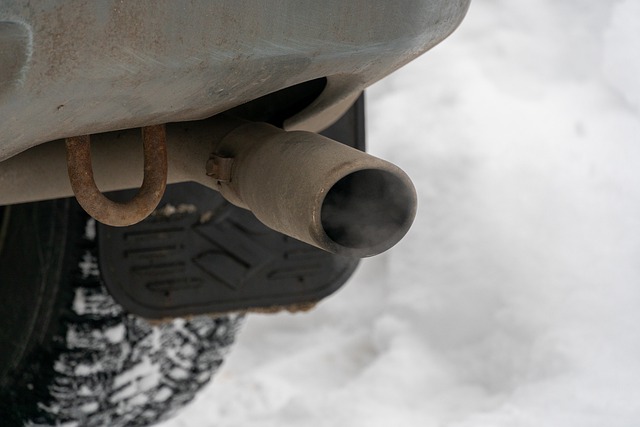
Your nose is one of the best diagnostic tools you own. Long before a warning light comes on, an exhaust problem often announces itself as a smell: sulfur, raw fuel, something burning, or an odor you cannot quite place drifting into the cabin. Drivers tend to shrug these off, crack a window, and keep going. That is a mistake, because exhaust odors range from minor annoyances to genuine safety emergencies, and you cannot always tell which is which without an inspection. Here is what different exhaust smells mean and what to do about each, from a Mesa, AZ auto repair shop that diagnoses these problems every week.

First, the Safety Warning: Exhaust in the Cabin Is Never Okay
Before getting into specific smells, one rule overrides everything else. If you can smell exhaust inside your car, treat it as urgent. Exhaust gases contain carbon monoxide, which is colorless and odorless, so the parts of the exhaust you can smell are your only warning that the parts you cannot smell may be entering the cabin too. Carbon monoxide exposure causes headaches, dizziness, drowsiness, and confusion, which is a terrifying combination for someone driving a vehicle.
Until the source is found, drive with the windows down, never idle in a garage or enclosed space, and get the vehicle inspected promptly. This is not a symptom to schedule around your convenience.
Rotten Eggs: A Catalytic Converter Crying for Help
A sulfur smell, like rotten eggs, is the most recognizable exhaust odor and usually points to the catalytic converter. Gasoline contains trace sulfur, and a healthy converter processes it into odorless compounds. When the converter is failing or being overwhelmed, that sulfur leaves the tailpipe as hydrogen sulfide instead, and you smell it.
Here is the important part: converters usually fail because of an upstream problem, such as a long-running misfire or a fuel system running too rich. The smell is often your earliest warning. Caught quickly, the underlying cause can sometimes be fixed before the converter itself is ruined, and that difference is worth a lot of money, because converters are among the most expensive parts on the car. A proper diagnostic scan is the right next step, and our engine diagnostics articles explain what that involves.
Raw Gasoline Smell: Do Not Ignore It
The smell of gasoline around or inside the car can mean unburned fuel is passing through the engine, or worse, that fuel is leaking somewhere in the system. A rich-running engine wastes fuel and damages the converter over time. A fuel leak is a fire hazard, full stop. If the gas smell is strong or persistent, especially after parking, have the vehicle looked at immediately rather than driving it for days while you decide.
Sweet Smells, Burning Smells, and Musty Smells
Not every odor from the exhaust area is the exhaust itself. Your nose may be picking up a neighbor system:
- Sweet, syrupy smell. That is usually coolant. It can mean a leak dripping onto hot engine parts, or in worse cases coolant entering the combustion chambers, which often shows up as white, sweet-smelling exhaust vapor that does not clear as the engine warms.
- Burning oil. A heavy, acrid smell often means oil is leaking onto the hot exhaust system. Along with the odor, you may see light smoke from under the hood after driving.
- Burning rubber or plastic. A belt, hose, or piece of road debris may be contacting hot exhaust components.
- Musty or dusty smells from the vents. Often a cabin air filter issue rather than exhaust, common in our dusty desert air, but worth ruling out properly.
Each of these has a different fix and a different urgency, which is exactly why a professional diagnosis beats guessing based on smell alone.
Why Odor Problems Also Become Emissions Problems
Phoenix-area vehicles have to pass periodic emissions testing, and the same failures that cause exhaust odors, such as a struggling converter, a rich fuel mixture, or an exhaust leak, are the same failures that cause emissions test rejections. Addressing an odor when it first appears often means a smaller repair now instead of a failed test and a bigger repair later. You can read more in our exhaust and emissions articles. If your car already failed a test, call us at (480) 444-0242 and we can get to the root cause.
What to Tell Your Mechanic
When you bring in a smell complaint, details shorten the diagnostic time. Note when the odor happens: cold start, idling, accelerating, after a long drive, or inside versus outside the car. Note whether it appeared suddenly or built gradually, and whether any warning lights or performance changes came with it. Those clues help a technician trace the odor to a system quickly instead of hunting.
Can You Keep Driving With an Exhaust Smell?
It depends entirely on the smell and where you notice it. A faint sulfur odor outside the car during hard acceleration is worth an appointment this week, but it is not usually a reason to park the car today. A strong fuel smell, visible smoke, or any exhaust odor inside the cabin moves the answer to no. Those situations involve fire risk or the possibility of carbon monoxide exposure, and no errand is worth either one.
If you are in the gray zone and must drive before your appointment, reduce the risk: keep windows partly open, avoid idling in enclosed spaces or drive-through lines, and pay attention to how you feel behind the wheel. Headache, drowsiness, or lightheadedness while driving means pull over, get fresh air, and get the car towed rather than driven. When you are genuinely unsure whether a smell is safe to drive on, a quick phone call describing the symptom is free, and it beats guessing wrong in either direction.
Trust Your Nose, Then Verify
Exhaust odors are your car volunteering information. The drivers who act on that information early consistently pay less and stay safer than the ones who wait for a warning light or a breakdown to force the issue. Network Automotive Service Center has been family-owned since 1995, serving Mesa and the surrounding East Valley. Explore our services and call (480) 444-0242 if your car smells wrong. We will find out why and fix what is actually broken.

by | Aug 9, 2021 | Exhaust & Emissions
If you are worried about making sure that your car is working well and in good condition, you will want to make sure that you are paying attention to all the small things that go on and some of those things could be a sign of an exhaust leak. Exhaust leaks are more serious than most people realize and they can lead to more severe problems. If you are noticing any of these issues with your vehicle and you think your vehicle may need to be services, you will want to take it to a Chandler, AZ auto repair shop. Here are some of the most common problems to watch for.
Engine Noise
On the off chance that your motor appears to be stronger than ordinary there is a decent possibility it is being brought about by an exhaust spill close to the front of the exhaust framework, likely at the ventilation system. The fumes pipes help direct motor clamor so a hole will cause a noisy thundering commotion. An exhaust spill in the engine is additionally perilous to your own wellbeing, since it might permit the destructive vapor to saturate the traveler lodge putting you in danger for carbon monoxide harming. Sort that problem out immediately!
Diminished Fuel Efficiency
One of the more unobtrusive indications of an exhaust spill is a lessening in eco-friendliness. In the event that fumes vapor are not being out of control from the motor it should work at higher temperatures because of the waiting exhaust, which puts more weight on the motor, which means it needs to consume more fuel to work appropriately. A drop in MPGs could be an indication of a few different issues, so bring your vehicle into the technician to discover precisely what is happening and keep your vehicle fit as a fiddle.
Consistent Vibrations
On the off chance that your vehicle, truck or SUV has gotten a fumes hole one of the main things you may see is odd vibrations coming from the guiding wheel or gas pedal. These vibrations probably mean there is a pinhole spill some place in the framework and it could be hard to distinguish. An expert specialist will actually want to discover and fix any breaks in the exhaust framework.
When you are trying to make sure your vehicle is safe and great for the road, you need to think about all the things that could go wrong and watch for signs that there may be some serious issues. If you are planning to have your car repaired and you think it may be a fuel filter problem be sure to reach out to a trusted Chandler, AZ auto repair shop to handle everything. If you need to have your car serviced, call us to make an appointment. We are here to help you keep your car in good condition and ensure that it stays running and safe in all situations.
by | May 17, 2021 | Exhaust & Emissions
If you have a vehicle that is making strange sounds, you might want to check to see if they are coming from the exhaust. While many people deal with exhaust problems on their own, it’s best to take your car to a Mesa, AZ auto repair shop to have the problems repaired. If you are looking for the best way to reduce the sounds or noises coming from your exhaust, be sure to consider some of these tips and suggestions that may be able to help.
Check For Damages
If your exhaust is making an odd sound, it could be because there is damage to the muffler or the exhaust system. You may be able to see this damage or it may be something that is hard to notice. If you are inspecting your exhaust and can’t find a problem but still suspect there could be some damage, you should take the vehicle to a repair shop and have it inspected by a professional. Once the damages are repaired, you will notice that the exhaust no longer has a loud or unnatural sound and you may find that your car runs better as well.
Exhaust Wrap
If you want to reduce the sound of the muffler and aren’t sure if there are any serious issue causing the noise, you could use an exhaust wrap. These wraps are simple to install but if you aren’t comfortable doing so yourself, you may want to have a professional handle things for you. The wraps are inexpensive and help reduce rattling and other sounds that may occur in your exhaust. If you have an exhaust that is naturally loud this can help reduce it and make your ride more comfortable and peaceful.
Add A Silencer
Silencers are small pieces that are installed onto an exhaust system to help reduce the sound that comes out of it. It won’t fix any issues that are making the exhaust loud, but it will help reduce the amount of noise you hear while driving or that other people hear while you are driving by. It’s not a good idea to add a silencer if you think there may be damage, as it will just disguise the sound and cause it to get worse before you make the necessary repairs. Silencers work best on exhausts that are made to be loud or designed for noise.
If you are hearing a lot of strange sounds coming from your car, the problem could be the exhaust. This could make it less enjoyable to take rides and drives and could even be a sign of a serious problem. You don’t have to continue to listen to the exhaust and you don’t have to work on it on your own. You can take your car to an experienced Mesa, AZ auto repair shop. You can also try some of the tips above to help reduce the sound of your exhaust. If you choose to hire a mechanic, you can reach out to Network Automotive Service Center. We are happy to help with all your repair needs.

by | Apr 12, 2021 | Exhaust & Emissions
If you notice that your car’s exhaust is leaking or seems to sound funny, it could be a sign that there is a more serious issue. You exhaust is more important than most people realize and if it’s not working right, it could be causing you to get poor gas mileage, sound bad, and lead to bad fumes and smells. If your exhaust needs to be repaired, you can take it to a Chandler, AZ auto repair shop. Here are some things to look for to ensure that your exhaust does not have any issues.
You Hear A Hissing Sound
While driving, listen intently for a murmuring commotion from the motor, and furthermore check for this clamor while the vehicle is sitting. As a rule, a murmuring sound will be irregular yet relentless – you may not hear it for some time, yet it will consistently return on occasions. Moreover, you can check for murmuring by leaving the vehicle running and going to remain close to the tailpipe now and then, you may see a clearer hissing there. This is an indication that you have an exhaust leak and that it requires repair quickly.
You Have Reduced Fuel Efficiency
On the off chance that you have an exhaust leak, you might actually see a reduction in your eco-friendliness. If you’ve understood that your vehicle is getting less and less kilometers from a tank of petroleum, it very well may be on the grounds that an exhaust spill has influenced the oxygen sensors, causing them to consume more petroleum than is required. While the expense to fix the problem now might be expensive, holding out until later can cost you even more money in gas and likewise put your wellbeing in danger.
 Your Car is Shaking
Despite the fact that there can be a few potential reasons that your vehicle is shaking, an exhaust leak is something that you should check for first. In the event that your guiding section, gas pedal, or brake pedal appears to shake surprisingly while driving, it very well may be on the grounds that your exhaust is corroded because of the muffler getting away. Indeed, even tiny exhaust leaks can make the pipes rust rapidly and subsequently, your vehicle will shake as it works to adapt to the harmed exhaust framework.
You want your car to run nicely and sound nice but if your exhaust is not working as it should, you may not be able to enjoy your drive or ride as much as you should. The above issues are all common signs that your exhaust is not working like it should be. If you need help getting your vehicle going, be sure to think about taking your car to a Chandler, AZ auto repair shop. You can make an appointment at Network Automotive Service Center to get your car running great again.

by | Feb 15, 2021 | Exhaust & Emissions
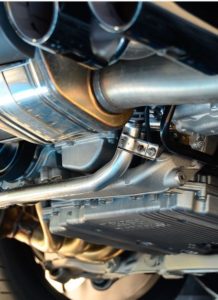
Your exhaust system does a lot more than keep the car quiet. It routes toxic gases safely away from the cabin, cleans up emissions through the catalytic converter, feeds data to the engine computer, and even affects fuel economy. Because most of it lives underneath the car where you never see it, exhaust problems tend to sneak up on drivers. Here are the most common issues we see, how to recognize them early, and when it is time to bring your vehicle to a Mesa, AZ auto repair shop.
Exhaust Leaks: The Most Common and Most Serious Problem
Every joint, gasket, and weld in the exhaust system is a potential leak point, and years of heating and cooling cycles eventually take their toll. The signs of a leak include a ticking or puffing sound that changes with engine speed, a louder engine note than usual, vibration you can feel through the floor or pedals, and exhaust smell inside or around the car.
A leak is not just a noise problem. Exhaust gases contain carbon monoxide, which is odorless, colorless, and dangerous in enclosed spaces, including your cabin. Any exhaust smell inside the car deserves immediate attention. Drive with the windows down until it is inspected, and do not idle in the garage.
Catalytic Converter Trouble
The catalytic converter chemically scrubs pollutants from the exhaust stream, and it is one of the most expensive components on the entire vehicle. Converters rarely fail on their own. They are usually killed by an upstream problem, most often a long-running engine misfire that dumps raw fuel into the converter and overheats it.
Warning signs include a rotten egg smell, noticeably reduced power or acceleration, rattling from under the car, and a check engine light with converter-related codes. The important lesson: fixing misfires and other engine issues promptly is how you protect the converter. Ignoring a flashing check engine light is one of the fastest ways to turn a minor repair into a major one. Our engine diagnostics articles explain what those warning lights mean.
Failing Oxygen Sensors
Oxygen sensors measure how much oxygen is in the exhaust so the engine computer can fine-tune the fuel mixture. When a sensor ages or fails, the computer starts guessing, and the results show up at the gas pump. A car running with a bad oxygen sensor typically burns noticeably more fuel, may idle roughly or hesitate, and will usually turn on the check engine light.
Oxygen sensors are wear items. They live in a brutally hot, chemically harsh environment, and they degrade gradually enough that many drivers never notice the slow slide in fuel economy. If your mileage has slipped and the check engine light is on, sensors are one of the first things worth checking.
Muffler and Pipe Damage
Arizona spares us the road salt that rusts out exhaust systems back east, but Valley driving still takes a toll. Speed bumps, steep driveway transitions, road debris, and construction zones can dent pipes or knock exhaust hangers loose. A hanging or rattling exhaust component will only get worse as vibration works on it, and a dragging pipe is a road hazard.
Listen for rattles over bumps, clunks when accelerating or decelerating, and any new droning or booming sound at highway speed. These usually mean a mount, hanger, or pipe section needs attention, and caught early the fix is often simple.
Emissions Test Failures
Drivers in the Phoenix metro area are required to pass periodic emissions testing, and the exhaust system plays a starring role in whether you pass. A failing converter, a leaking pipe that lets in outside air, or a bad oxygen sensor can each push your readings out of spec. If your vehicle fails an emissions test, do not just re-test and hope. A proper diagnosis identifies the specific cause so you fix the right thing once. You can read more about common causes and fixes in our exhaust and emissions articles, and our team handles emissions-related repair every week. Call (480) 444-0242 if your car did not pass and you want it handled correctly.
How to Catch Exhaust Problems Early
You do not need to crawl under the car. Just stay alert to changes:
- Any new sound from the exhaust, from ticking to droning to rattling.
- Any exhaust or sulfur smell, especially inside the cabin.
- A drop in fuel economy or engine power.
- A check engine light, even if the car seems to run fine.
- Visible smoke from the tailpipe beyond normal morning vapor.
Because the system runs from the engine to the rear bumper, symptoms in one area often trace back to causes in another. That is why a systematic inspection beats guesswork.
The Hidden Cost: Exhaust Problems and Fuel Economy
Drivers usually think of exhaust issues in terms of noise and smell, but the quiet cost shows up at the gas pump. Your engine computer constantly adjusts the fuel mixture based on readings from sensors in the exhaust stream. A leak upstream of an oxygen sensor lets outside air skew those readings, and the computer responds by adding fuel it does not need. A lazy or failing sensor has the same effect. Either way, you pay for the error on every mile.
A partially clogged catalytic converter adds a different penalty. The engine has to push exhaust through the restriction, which saps power and forces deeper throttle for the same acceleration. Drivers often describe it as the car feeling tired or strained on the freeway. If your fuel economy has slipped noticeably and your engine feels down on power, the exhaust system belongs on the list of suspects, and a proper inspection can confirm or rule it out quickly.
Get It Inspected Before It Gets Expensive
Exhaust problems follow a predictable pattern: quiet and cheap early, loud and costly late. A small leak repaired promptly protects the converter, your fuel budget, your emissions compliance, and most importantly the air inside your cabin. Network Automotive Service Center has been family-owned since 1995, serving Mesa and the entire East Valley. Take a look at our services and call (480) 444-0242 to schedule an exhaust inspection. We will find the real problem and fix it right.
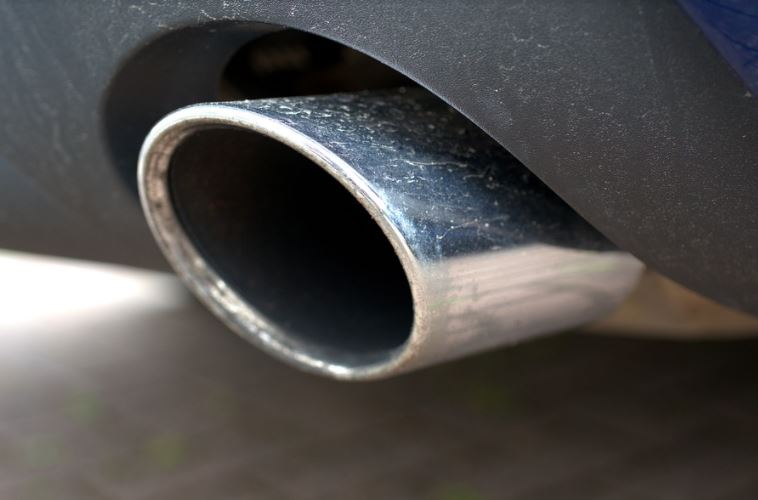
by | Jan 18, 2021 | Exhaust & Emissions
There are few things as frustrating to a car owner as hearing their exhaust rattling. Not only can the sound be annoying to you, but usually other people can hear it as well and it can be an embarrassing problem. Aside from the annoyance, a rattling exhaust could mean there is something else going on under your car. You don’t want to put off the repairs, you want to take your car to an Auto Repair Center and have the problem fixed quickly so you won’t have to worry about it anymore. Here are a few reasons your exhaust may be rattling or making a strange noise.
Why is My Car Rattling?
If something is loose on the bottom of your car, it could be making the exhaust rattle. This can happen for a variety of reasons. Something could simply be rattling; the exhaust may have broken loose from a mount and be rattling or something else could be rattling up against it. The because does move a little as the car runs but, in most cases, it is mounted so well that you can’t tell it. If you want to see why your car is making the noise, you can look underneath it to see if anything looks like it is loose or has dropped down.
It’s possible that your exhaust is rattling because something is loose. You might need to have a car service to take a look at it and fix the problem.
What Happens if Exhaust Leaks?
If your exhaust has a leak, it could sound like a rattling sound. As the air moves through the exhaust and leaks out it can sound like the exhaust is rattling. You may not be able to see a hole, or it may be large and obvious. There are ways to seal and fix exhaust leaks, but if the issue is severe or if you are not experienced and want to make sure you don’t mess up your exhaust system or make the issue worse, it’s a good idea to take it to a professional.
Why Does My Car Rattle When I Hit a Bump?
 It’s easier for your exhaust to break than you realize and if you have hit a bump, driven over rough road or if the exhaust was loose or feel down, it could have rubbed up against the road or an object and been ripped off. If this is the case you will likely here a loud rattling or other sounds. You will need to have the exhaust mounted back on the vehicle or else you will want to have a brand-new exhaust system installed so you know it will work as it should without any noise or problems.
Emissions testing AZ is conducted to ensure that vehicles meet emissions standards set by the government. Vehicles that emit excessive levels of pollutants may be subject to emissions inspection and repairs.
How to Fix a Loose Exhaust Pipe?
When your exhaust is making a weird noise, it can cause some concern. You may not even know if the sound you are hearing is your exhaust or another problem. If you hear strange sounds coming from underneath your car, it’s never a good idea. It can mean that something is severely wrong and it could lead to more severe problems if it is not repaired promptly. You don’t have to make the repairs yourself, you can take your car to a Mesa, AZ auto repair shop. Call Network Automotive Services today.
Frequently Asked Questions
Is exhaust rattle bad?
Yes, the exhaust rattle is bad. It can indicate that there’s something wrong with your car’s exhaust system, and it can also be a safety hazard. If you’re hearing a lot of noise from your car’s exhaust system, have it checked out by a mechanic as soon as possible.
Is it safe to drive with a rattling exhaust?
It’s definitely not safe to drive with a rattling exhaust – the noise is a sign that something is wrong and needs to be fixed. If you ignore it, the problem will only worsen and eventually lead to engine damage. The best thing to do is take your car to a mechanic and have them take a look.
Does damaged exhaust affect car performance?
Yes, damaged exhaust can affect car performance. When the exhaust is damaged, it can’t properly expel emissions from the car, which means harmful gases and particles will be released into the air.