by Network Automotive | Jan 23, 2021 | Suspension, Wheels & Tires
You are driving down a straight, flat stretch of road, you relax your grip for a second, and the car drifts toward the shoulder or the center line. If you have to keep constant pressure on the steering wheel just to hold a straight line, your vehicle is telling you something is wrong, and the most common culprit is a wheel alignment problem. Drivers in the Chandler area deal with this more than they realize, and the fix is usually straightforward once a qualified auto repair center takes a look. Here is how to recognize the signs, what causes them, and why putting it off costs you money.
What It Means When Your Car Pulls
Wheel alignment refers to the precise angles at which your wheels meet the road. Manufacturers set these angles, called camber, caster, and toe, so the vehicle tracks straight, steers predictably, and wears its tires evenly. When those angles drift out of specification, the tires no longer point exactly where the steering wheel says they should, and the car pulls to one side.
The pull can be subtle or severe. Some drivers only notice it at highway speed, while others fight the wheel in a parking lot. Either way, it tends to get worse over time, and the faster you drive, the more noticeable and more dangerous it becomes. A car that wanders on its own leaves you less margin to react when traffic does something unexpected.
Other Signs You May Need an Alignment
Pulling is the classic symptom, but misalignment shows up in several other ways:
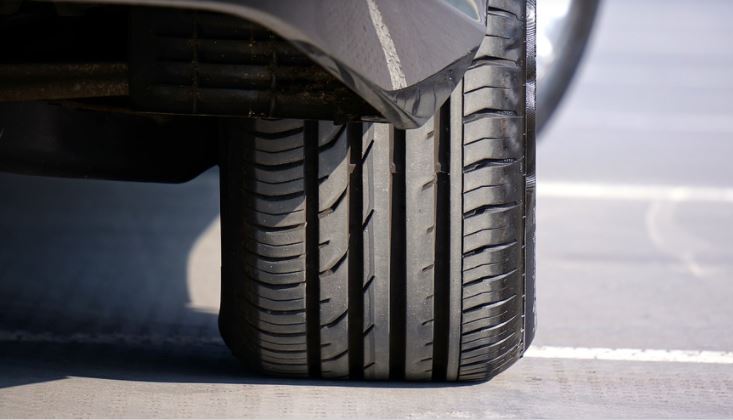
- Uneven tire wear. Run your hand across the tread. If the inside or outside edge is noticeably more worn than the rest, your alignment is off. Healthy tires wear evenly across the full width.
- A crooked steering wheel. If the wheel sits off-center while you are driving straight, the alignment angles are compensating for something.
- Squealing tires in turns. Tires that are dragged across the pavement at the wrong angle protest, especially in slow corners and parking lots.
- Loose or wandering steering. The car feels vague on center and needs constant small corrections.
- Vibration in the steering wheel. This can also indicate a balance problem, which is a separate service, but the two often show up together and are checked at the same time.
You can read more about how tires, steering, and ride quality connect in our suspension, wheels, and tires articles.
What Knocks a Vehicle Out of Alignment
Alignment does not fail on a schedule. It fails from impacts and wear. The usual suspects include:
- Hitting a pothole, curb, or parking block harder than usual
- Everyday wear in suspension and steering components like tie rods, ball joints, and bushings
- Worn shocks or struts that let the suspension move beyond its intended range
- An accident or hard impact, even a minor one that left no visible damage
East Valley driving adds its own contributions. Construction zones, gravel shoulders, and the occasional monsoon-season debris in the road all give your suspension sharp hits that add up. If you recently smacked a pothole and the car has not felt right since, that is not a coincidence.
Why You Should Not Ignore It
A misaligned car is not just annoying to drive. It is expensive. Tires that are dragged at the wrong angle can wear out in a fraction of their normal life, and replacing a set of tires costs far more than the alignment that would have saved them. Misalignment also increases rolling resistance, which quietly hurts your fuel economy on every trip.
There is a safety cost too. A vehicle that pulls requires constant correction, which is fatiguing on long drives and slows your reaction in an emergency. And because misalignment often rides along with worn suspension parts, ignoring the symptom can mean ignoring a failing component underneath it. If your car has been pulling, call us at (480) 444-0242 and describe what you are feeling. It is often a quicker conversation than people expect.
What Happens During an Alignment Service
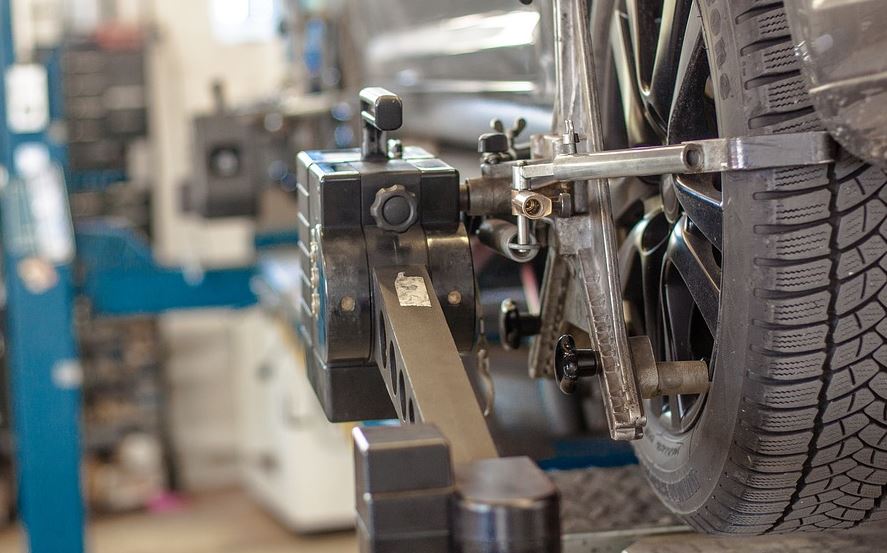
A proper alignment starts with an inspection, not a machine. A technician checks tire condition and pressure, then examines the steering and suspension components, because aligning a car with a worn tie rod is like squaring a door on a broken hinge. Once the underlying parts check out, the vehicle goes on an alignment rack where precise sensors measure each wheel’s angles against the manufacturer’s specifications. The technician then adjusts the angles back into spec and confirms the steering wheel is centered.
Afterward, the difference is usually obvious on the first drive: the car tracks straight, the wheel sits centered, and the steering feels calm again. It is one of the most satisfying repairs there is, because you feel the result immediately.
How Often Should Alignment Be Checked?
There is no single mileage number that fits every driver, but a few guidelines serve most people well. Have the alignment checked whenever you buy new tires, since starting a fresh set on a misaligned car throws away part of your investment on day one. Have it checked after any significant impact, a hard pothole strike, a curb hit, or a collision, even if nothing feels obviously wrong afterward. And have it checked any time steering or suspension parts are replaced, because new components change the geometry.
Between those events, an annual check is a reasonable habit, and many shops can verify alignment quickly during other routine service. It is also worth paying attention to your own hands. Drivers unconsciously compensate for a mild pull, holding a slight steering correction without noticing it. If you catch yourself doing that, or a passenger points out that your steering wheel is not straight, trust the observation.
The habit pays for itself. Alignment is one of the least expensive services on the car, and it directly protects one of the most expensive consumable items you buy, your tires, while keeping the car predictable and safe.
Drive Straight Again
If you are fighting the steering wheel on every drive, do not wait for the problem to eat a set of tires. Network Automotive Service Center is family-owned and has been serving East Valley drivers since 1995. Browse our services, then call (480) 444-0242 to schedule an alignment check. We will find out why your car is pulling and get it tracking straight and safe again.
by | Jan 11, 2021 | Suspension, Wheels & Tires
A car ride should feel smooth and composed, even on imperfect pavement. So when every expansion joint sends a jolt through the cabin, when the car keeps bobbing after a dip, or when your morning drive through the Chandler area starts feeling like a boat in chop, something has changed. A bumpy ride is not just uncomfortable. It is your suspension telling you it can no longer keep the tires planted on the road, and that affects braking, steering, and safety. Here are the most common reasons a ride turns rough, and how to tell which one is yours.

Worn Shocks or Struts Are the Usual Suspect
Shocks and struts are the dampers that control your suspension’s movement. Springs absorb bumps, and the dampers stop the bouncing afterward. When they wear out, the springs keep oscillating, and the ride turns floaty, bouncy, and harsh all at once.
Telltale signs include:
- The car keeps bouncing two or three times after a bump instead of settling immediately
- The nose dives when braking or the rear squats when accelerating
- Excessive body lean in corners or a wallowing feel over dips
- Oily residue leaking down the side of a shock or strut
- Clunking or knocking sounds over rough pavement
Dampers wear gradually, which is why many drivers do not notice until the ride is genuinely bad. A simple test: push down firmly on a corner of the car and let go. If it bounces more than once or twice, the damper on that corner is suspect. Our suspension, wheels, and tires articles go deeper on how these parts work together.
Your Tires Might Be the Problem
Before blaming the suspension, look at the tires, because they are the first thing between you and the road:
- Overinflation makes a ride noticeably harsh. Arizona heat raises tire pressure as the day warms up, so a tire set to the maximum on a summer afternoon rides like a rock.
- Uneven wear or cupping creates a rumbling, thumping ride and often points back to worn dampers or alignment issues.
- Out-of-balance wheels cause vibration that grows with speed, usually felt in the steering wheel or the seat.
- Flat spots can develop on a car that sat parked for a long stretch, and heat-aged tires with hardened rubber transmit far more of the road than fresh ones.
Check your pressures against the sticker inside the driver’s door jamb, not the number on the tire sidewall, and check them in the morning before the heat builds. If the ride is still rough with correct pressures and decent tread, the cause is deeper.
Worn Suspension Components Beyond the Dampers
The suspension is a system of joints and cushions, and any of them can turn a ride harsh or noisy as they wear. Ball joints, control arm bushings, sway bar links, and strut mounts all use rubber or greased joints to absorb small movements quietly. When they dry out, crack, or loosen, you feel and hear every imperfection: clunks over small bumps, rattles on rough roads, a jittery feeling on textured pavement.
Arizona is tough on these parts. Extreme heat ages rubber bushings faster than mild climates do, and the sharp hits from potholes, gravel, and monsoon debris accelerate the wear. Because these components also locate your wheels, wear here often brings alignment problems and uneven tire wear along with the noise, which is why a rough ride and a crooked steering wheel frequently show up together.
How a Shop Pinpoints the Cause
Diagnosing a bumpy ride starts with a conversation: when it started, what it feels like, whether there are noises, and whether anything changed recently, like new tires or a hard pothole hit. Then the vehicle goes up on a lift for a physical inspection. A technician checks each damper for leaks and wear, flexes the joints and bushings to find play, measures tire wear patterns, and looks at ride height side to side.
A road test usually confirms the diagnosis. The advantage of a systematic inspection is that you fix the actual cause instead of throwing parts at symptoms. Sometimes a rough ride is simply overdue tires; sometimes it is a full set of struts. Knowing which saves you real money. If your ride has turned rough, call (480) 444-0242 and tell us what you are feeling, and we will get it on a lift.
Why You Should Not Wait on a Rough Ride
It is tempting to treat a bumpy ride as a comfort problem and live with it, especially when the car still starts, steers, and stops. The trouble is that ride quality and safety come from the same parts. Worn dampers let the tires hop instead of grip, which lengthens stopping distances and reduces control in a sudden swerve, exactly the moments when you need the car at its best.
There is also a cost spiral to consider. Suspension problems feed on each other: worn shocks accelerate tire cupping, cupped tires hammer the bushings, and loose bushings throw off alignment, which wears the tires even faster. A single worn component caught early is a modest repair. The same component ignored for a year can take tires, alignment, and neighboring parts down with it.
Passengers are a good early warning system here. If the people who ride with you have started commenting on the bumpy ride, or drinks in the cupholder look like they are in a paint shaker, the problem has probably progressed past the subtle stage. A quick inspection settles the question and lets you plan the repair on your terms.
Get Your Smooth Ride Back
You do not have to live with a car that crashes over every bump. Network Automotive Service Center has been family-owned since 1995, and our technicians inspect, diagnose, and repair suspensions for drivers across the East Valley. Take a look at our services, then call (480) 444-0242 to schedule a ride and suspension inspection. A smooth, controlled, quiet ride is worth getting back.
by | Jun 15, 2020 | Suspension, Wheels & Tires
If your car has started to feel floaty over dips, bouncy after bumps, or nose-heavy when you brake, there is a good chance your shocks or struts are wearing out. They are the parts that keep your tires planted and your ride controlled, and when they fade, the whole car feels older than it is. The good news is that replacing them transforms how a vehicle drives. The catch is that not all shocks and struts are the same, and choosing the right ones matters. Here is what Chandler area drivers should know before replacing them, and how a good auto repair shop helps you get it right.

What Shocks and Struts Actually Do
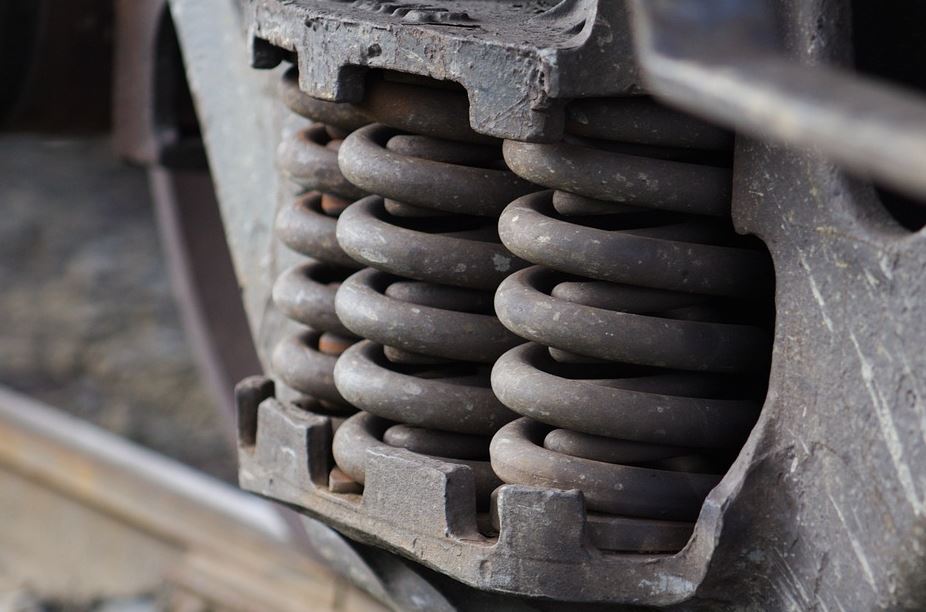
Springs absorb bumps, but without dampers your car would keep bouncing long after the bump is gone. Shocks and struts are those dampers. They control the movement of the springs so the tires stay in contact with the road, the body stays level in corners, and braking forces settle quickly instead of pitching the car forward.
Shocks and struts are not interchangeable terms. A shock absorber is a standalone damper, while a strut is a structural part of the suspension that combines the damper with a spring and supports the vehicle’s weight. Most vehicles use struts in the front and either shocks or struts in the rear, and your car must be fitted with the type its suspension was designed around.
Signs Yours Are Worn Out
- The car keeps bouncing after you cross a dip or speed bump
- The nose dives when you brake or the rear squats hard when you accelerate
- The body leans noticeably in corners or feels unstable in wind
- You see fluid leaking down the side of a shock or strut
- Tires develop scalloped or cupped wear patterns
- You hear clunks or knocks over bumps
Any of these is reason for an inspection. Worn dampers do not just hurt comfort. They increase stopping distance and reduce your control in emergency maneuvers, because a tire that is bouncing is a tire that is not gripping. More on these symptoms lives in our suspension, wheels, and tires section.
Match the Part to Your Vehicle First
The starting point for choosing shocks and struts is your exact vehicle: year, make, model, and often trim level and suspension package. Two versions of the same truck can take different parts. Getting the correct fitment is not optional, because a damper with the wrong length or valving changes ride height and handling, and a strut that does not match can affect alignment geometry.
From there, quality matters. Replacement dampers range from budget units to premium parts that meet or exceed the original equipment specification. A quality set generally rides closer to the way the vehicle felt when it was new and lasts longer before fading. This is an area where the cheapest option often disappoints, because a marginal damper can feel tired again surprisingly quickly.
Match the Part to How You Drive
Once fitment is settled, think about your actual driving:
- Mostly commuting and errands? A quality standard replacement restores the comfortable, controlled ride the car came with.
- Towing or hauling loads? Heavy-duty or load-adjusting options keep the rear from sagging and wallowing when the vehicle is loaded.
- Rough roads or dirt on your route? Firmer, more durable dampers handle repeated hard hits better.
- Want sharper handling? Performance-oriented dampers trade a little softness for more control.
Arizona driving adds a wrinkle worth mentioning. Our extreme heat is hard on the seals and fluid inside dampers, and washboard surfaces, expansion joints, and monsoon-season debris give the suspension plenty of sharp hits. Durable, well-built parts pay off here. If you are not sure which direction fits your situation, call us at (480) 444-0242 and describe how and where you drive. That conversation usually narrows the choice quickly.
Why Professional Installation Matters
Strut replacement in particular is not a casual driveway job. Struts bear the vehicle’s weight, and the springs they contain store enough energy to cause serious injury if compressed incorrectly. Beyond safety, struts affect wheel alignment, so a proper job includes checking and setting the alignment after installation. Skip that step and your brand new suspension can start eating tires immediately.
A professional shop also inspects the parts around the dampers, mounts, bushings, sway bar links, and tie rods, because these small components often wear at the same time. Replacing them together saves labor and prevents that frustrating experience of paying for new struts and still hearing a clunk.
Replace in Pairs and Plan the Whole Job
Shocks and struts should be replaced in pairs on the same axle, both fronts together or both rears together. Installing one new damper next to one worn damper leaves the two sides of the car responding differently to the same bump, which hurts stability and can feel worse than the problem you started with. If the vehicle is older and all four corners are original, it is worth having all four evaluated at once, since the rears rarely lag far behind the fronts.
Planning the whole job also means thinking about the parts that come off during the work. On many vehicles, strut mounts, bearing plates, and bump stops are inexpensive to replace while the strut is already out, and skipping them can mean paying the same labor twice later. Your shop should walk you through what is worth doing while everything is apart and what can safely wait.
Finally, budget for the alignment at the end. It is not an upsell; it is the step that protects your tires and makes the new suspension deliver what you paid for. A complete quote should include it from the start, so there are no surprises when you pick the car up.
Ride Comfort Is a Phone Call Away
If your car floats, bounces, or leans its way through every drive, new shocks or struts can make it feel years younger. Network Automotive Service Center has been family-owned since 1995, and we help East Valley drivers choose parts that fit their vehicle, their roads, and their budget. Take a look at our services and current coupons, then call (480) 444-0242 to schedule a suspension inspection.
by Network Automotive | Mar 16, 2020 | Suspension, Wheels & Tires
If your vehicle is not handling the road as it should or if it appears to have problems with the shocks, you may need to schedule an appointment for repair services with a Chandler, AZ auto repair center. Network Automotive Service Center is happy to help with all your repair needs. Whether you need to have your shocks checked, repaired, or replaced, you can get the help you need. Don’t drive your vehicle around when it isn’t working right or is making strange sounds. Get help from an experienced auto shop. Here are some signs your shocks may need to be serviced.
Uneven Tire Wear
If you notice that your tires seem to be wearing more on one side than it could be time to get new shocks. When your shocks are bad, they don’t support the car as they should. There can be more weight and pressure on one side of the car or on one wheel. This causes that tire to touch the road more and wears it down quicker. You may need to replace the shock and the tire to fix the issue.
Read also: Car Pulling To One Side? You May Need An Alignment From A Chandler, AZ Auto Repair Center
Swerving While Braking
If you hit the brakes and notice that the car seems to be swerving or pulling to one side, it could mean the shocks are bad. When the car pulls, it is trying to find the support of that shock. In some cases, only one shock may be back or in others, it could be more than one. Replacing the shock or fixing it can help save your brakes and prevent the swerving.
Vibrations While Driving
One of the more obvious signs of a bad shock is vibrations while driving. It can be hard to tell where the vibrations are coming from at times, but after a while, most people realize when it is from a problem with the shock. When a shock is bad, it can’t support the vehicle and can vibrate when there is weight put on it while driving. It’s best to get a vibrating shock fixed quickly to avoid more serious issues.
Squeaking Sounds
Bad shocks often make noises while the vehicle is moving. They can make a squeaky or grinding sound. The sound may be quiet at first and then get louder or appear more frequently as the shock gets worse. Eventually, the sound will turn into a clunking or metallic sound. This can be a sign that the shock just needs some grease, or it may be a sign that it needs to be repaired.
Read also: Call A Chandler, AZ Auto Repair Instead Of Ignoring These Common Problems
If your vehicle is showing signs that a shock or shocks are going bad, it’s a good idea to have it serviced as soon as possible. Bad shocks can make your car hard to stop and hard to steer. It can be dangerous to drive a vehicle with a bad shock. Let a Chandler, AZ auto repair center help you. Call Network Automotive Service Center at (480) 649-0839 to make an appointment to have your vehicle repaired. You can also stop by the shop at 104 E Main St, Mesa, AZ 85201 to schedule an appointment.