
by | Apr 11, 2022 | Suspension, Wheels & Tires
When you are driving your vehicle there are certain things you don’t want to see or feel, one of those things is vibration. If your car is vibrating severely. It may not be safe to drive. You may want to have it checked out by a Chandler, AZ auto repair shop. There are many different things that could cause a car to vibrate. The sooner you find the problem, the sooner you can find the solution and the safer your vehicle will be while you are traveling.
Wheel problem
Wheel bearings, ball joints, or the ends of defective connecting rods can cause the steering wheel to vibrate while driving. If the wheel alignment issues improve, the car may also shake. If this problem persists, check the balance of the vehicle. Wheel problems should not be underestimated If you are having wheel problems the best thing you can do is have them fixed immediately. If your wheels are off-balance or if they are loose, it could cause you to be in an accident. Balancing your wheels is an easy repair that a shop can do in no time.
Breaking
If the steering wheel vibrates when braking, it may be due to a brake rotor problem. The rotor is a round metal disc and the wear of the rotor can cause the vehicle to move. In addition, damage to the brake calipers and pads can cause the steering wheel and brake pedal to wobble. Your brakes are extremely important and you don’t want to drive your car if you can’t stop it properly. It could be dangerous for you and your passengers, it could also put other people on the road in danger.
Motor
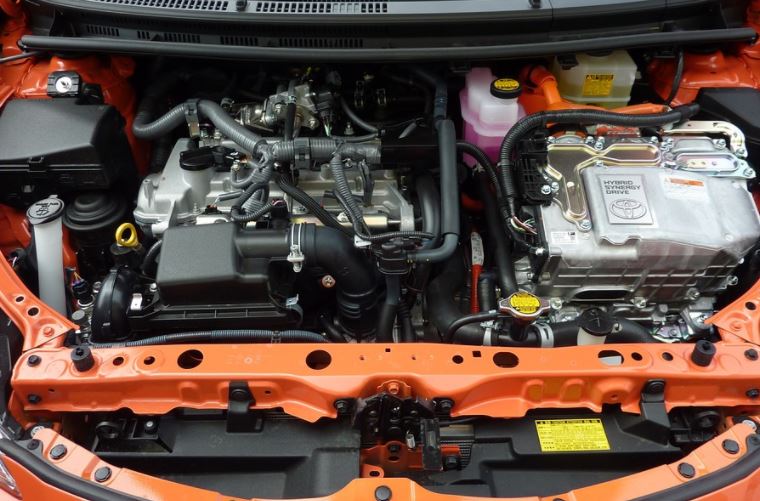
 In the event of failure, some engine components may cause the vehicle to vibrate. The usual suspects are spark plugs and air filters. If you have problems, check the spark plug terminal and replace it if you haven’t in a long time. When the air filter is clogged, the car may vibrate, so check the car’s air filter. Motor issues can be serious, and if you don’t have them fixed quickly they could get worse and cause even more severe problems down the road. You could end up having to buy expensive parts or even rebuild the engine. If you think your motor may be vibrating be sure to get it checked.
When you notice your car is vibrating, there could be a number of different things that are causing it. The above are just a few of those things. You shouldn’t drive your car if you think it’s not safe but you can make arrangements to have the car inspected and repaired by a qualified Chandler, AZ auto repair shop. You can give us a call to make an appointment to have your car fixed at your earliest convenience. Don’t hesitate to ask for help. We have a mechanic who will get your vehicle back on the road in no time.
by | Sep 13, 2021 | Suspension, Wheels & Tires
Clean tires do more than make your car look sharp in the driveway. The time you spend washing your wheels and tires is also the best opportunity most drivers ever get to actually look at them up close, and in Arizona, where heat and sun punish rubber year-round, those few minutes of attention can catch problems before they become blowouts. Here is how to clean your tires the right way, what to avoid, and what to look for while you are down there, from a Chandler, AZ auto repair shop that inspects tires every single day.

Why Tire Cleaning Is Worth Your Time
Tires collect more grime than any other part of the car: brake dust, road tar, oils from the pavement, and the fine desert dust that coats everything in the Valley. Brake dust in particular is worth removing regularly, because it contains metallic particles that can stain and slowly eat into wheel finishes when left baking in the sun.
Beyond appearance, there is a practical benefit. Dirt hides problems. A layer of brown dust can conceal sidewall cracking, embedded nails, uneven wear, and slow-leak stains. Cleaning forces you to get close to each tire, and that is when drivers notice things they would otherwise miss for months.
How to Clean Your Tires the Right Way
You do not need expensive products, just a sensible process:
- Wash tires and wheels first, before the rest of the car, so you are not splashing brake dust onto clean paint.
- Use a dedicated brush and bucket. Keep tire brushes and wash water separate from what touches your paint, since grit from the wheels will scratch the body.
- Work one wheel at a time. In Arizona heat, cleaners dry fast and leave residue. Rinse each wheel before moving to the next, and work in the shade if you can.
- Rinse thoroughly. Leftover cleaner attracts dust and can leave streaks down the wheel face.
- Dry the wheels to prevent water spots, which form quickly with hard water and desert sun.
Products to Use and Products to Avoid
Mild car wash soap and a stiff tire brush handle most jobs. For heavy brake dust, a purpose-made wheel cleaner works well, but read the label and make sure it is safe for your wheel finish, since some strong cleaners can damage certain coatings.
Be thoughtful with tire dressings, the products that give tires that dark shine. Water-based dressings are generally the safer choice. Some solvent-heavy products can accelerate drying of the rubber with repeated use, which is the last thing a tire in the Arizona sun needs. And never apply any dressing to the tread itself, only the sidewall. Slippery tread is a safety hazard.
What to Look For While You Clean
This is where tire cleaning earns its keep. With each wheel, take thirty seconds to inspect:
- Sidewall cracking. Fine cracks in the rubber, common on Valley cars that park outside, mean the tire is aging out even if the tread is deep.
- Tread depth and wear pattern. Wear on one edge suggests alignment issues. Wear in the center or on both edges points to inflation problems.
- Embedded objects. Nails and screws often ride in a tire for weeks before causing a flat. Finding one early means a simple repair instead of a roadside emergency.
- Bulges or bubbles. A bulge in the sidewall signals internal damage, and that tire needs professional attention promptly.
If anything you find concerns you, our wheels and tires articles can help you understand what you are seeing, or just call us at (480) 444-0242 and describe it.
Finish With a Pressure Check
Since you are already at each wheel, check the pressure. Arizona’s big temperature swings move tire pressure around more than most drivers realize, and both underinflation and overinflation cause faster wear and worse handling. The correct pressure is on the sticker inside the driver’s door jamb, not on the tire sidewall. Checking monthly, ideally in the morning before the heat builds, keeps your tires wearing evenly and your fuel economy where it should be.
How Often Should You Clean and Inspect Your Tires?
For most Valley drivers, a monthly tire cleaning paired with a pressure check hits the sweet spot. It is frequent enough to catch problems early, and it builds a routine you will actually keep. If your car parks outside in the sun, lean toward more frequent quick inspections even if you skip the full wash, because UV exposure is the main enemy of tire rubber in the desert. After any long road trip, a drive on rough or debris-strewn roads, or a monsoon storm, give the tires a quick once-over as well.
Do Not Forget the Spare
The most neglected tire on any car is the one in the trunk. Spare tires lose pressure slowly over months, and a flat spare discovered on the roadside is no spare at all. A few times a year, check the spare’s pressure and condition, and make sure the jack and tools are present and functional. If your car uses an inflator kit instead of a spare, check the kit’s sealant expiration date. Five minutes of attention means the backup plan actually works the day you need it.
While you are in the trunk, confirm you know where the wheel lock key lives if your car has locking lug nuts. A missing lock key is one of the most common reasons a simple roadside tire change turns into a tow, and it is a frustrating discovery to make in the summer sun on the shoulder of the freeway.
When to Bring in a Professional
Cleaning and inspecting are jobs any owner can do. But if you spot uneven wear, sidewall damage, persistent pressure loss, or vibration at speed, it is time for a professional look. Those symptoms usually trace back to alignment, balance, suspension wear, or tire damage that needs proper equipment to diagnose. Network Automotive Service Center has been family-owned since 1995, serving Chandler and the East Valley. See the full list of our services and call (480) 444-0242 to schedule a tire inspection. Clean tires look great, but safe tires are the real goal.
by | Aug 23, 2021 | Suspension, Wheels & Tires
When you are trying to get a more comfortable car ride and you are wondering what is making it so bumpy or difficult to drive, there could be a number of things that are causing the issues. If you need to get some help with your car repairs, consider taking it to a Chandler, AZ auto repair shop. Here are some of the things you can watch for that could mean here are some serious issues going on with your car.
Tire Problems
Tires are generally the principal guilty party to explore when your vehicle’s movement feels off. Rough rides can be either because of the tire arrangement, pneumatic stress, or even the tires being improperly gotten. Very frequently, somebody will replace a tire and not understand the tire isn’t set against the back circle solidly. When they fix the nuts on the tire, they may believe it’s gotten, just to discover that the vehicle wobbles, vibrates, or shakes when moving. Regardless of whether there is a slight development, over the long haul this will negatively affect the tire, brakes, plate, and various different segments.
Suspension Problems
The suspension is the thing that keeps your tires in touch with the street, and considering your tires both cow and stop you, your suspension framework is somewhat the overlooked yet truly great individual of the auto world. In the event that something in your suspension has given out, you should see some exceptional contrasts in how the vehicle the two feels and handles. The vehicle may lean intensely aside, bob here and there various occasions prior to settling, or you can feel the shock of rolling over potholes, controls, and knocks. In the event that your suspension is giving you inconvenience, there are a couple of significant parts which should give you concern.
Transmissions Problems
 A great many people fear these three words with regards to some kind of problem with their transmission. This can cost you anyplace from two or three hundred dollars to a couple thousand. The expense typically relies upon how rapidly you can tell your transmission needs adjusting and when you really take it in for administration. If your transmission goes bad your car will not be able to shift properly and eventually you may not be able to drive it anymore.
Numerous individuals may see a slight issue and let it persevere over months, even years, until at last it gives out completely. A shiny new transmission can cost however much a modest trade-in vehicle, so it’s obviously better to have it taken a gander at almost immediately by a Chandler, AZ auto repair at whatever point you acquire your vehicle for upkeep just to watch out for it. Call Network Automotive Service Center for help with all your car repair needs. We are happy to help with all your car repair needs and to help you have a more comfortable ride.

by | Jun 28, 2021 | Suspension, Wheels & Tires
When you are experiencing a car that rides or drives rough or seems to be pulling or swaying, you might be wondering what is going on. The most common problem that can make these issues appear is tires that need to be aligned. You can have them aligned by a professional and get your car back on the road in no time. Here are some things to watch for that can tell you if your car’s tires need to be aligned and when to take it to a professional at a Chandler, AZ auto repair shop.
Pulling One Way
Obviously, if your wheels aren’t pointing a similar way as one another, you will encounter sped up tire wear. The most widely recognized offender is one side pulling more than the other and causing lopsided wear across the tire, however a lot of negative camber can likewise make tires tear down quicker on the internal edges. To guarantee the best ride from your vehicle, you will require the greatest contact fix between the tire and the street. Inaccurate wheel arrangement will lessen the contact between your tires and the street, influencing slowing down and cornering execution. This means your tires need to be balanced by a professional repair shop.
Decreased Fuel Efficiency
Likewise, additional exertion is needed to viably push the tires across the street if the front wheels aren’t equal. Envision you are rolling the haggle down a line out and about. It’s very simple and the wheel will roll uninhibitedly. Presently envision turning that wheel at a 45-degree point and attempting to move along a similar line; substantially more exertion is needed to push the wheel along the line, as it normally needs to go off at an alternate point – the equivalent is valid if a vehicle’s toe in/out settings are erroneous.
Unbalanced
 Another basic issue with wheel arrangement, explicitly the toe settings, brings about the vehicle needing to pull aside of the street. In the event that the front wheels are pulling or pointing away from one another the vehicle will normally need to pull aside, since when one wheel is in the dead ahead position, the other wheel is attempting to turn a corner. This can make for a really bumpy ride and it can even be dangerous. This issue can make it harder to steer and could result in an accident.
If you are noticing that your car is not riding as well as it once did and you think you might need to have your tires aligned, you should consider calling an experienced Chandler, AZ auto repair shop. If your wheels need to be aligned, it could be causing a lot of issues and leading to wear and tear on your vehicle that is more than normal. You can make an appointment with Network Automotive Service Center to have your vehicle inspected and have your tires aligned as needed. Give us a call today to learn more about how we can help you.

by | Apr 5, 2021 | Suspension, Wheels & Tires
If you have a vehicle and you are experiencing some issues with it, you might need to have your car inspected. If your car’s suspension is not working as it should, it could be causing some issues with your comfort and safety. If you are looking for Mesa, AZ auto repair services be sure to watch for these issues that could mean it’s time to get service.
A Rough and Bouncy Ride
Present day suspension frameworks are intended to give a smooth and agreeable ride. At the point when suspension issues are available, you will see an adjustment in how your vehicle works. In the event that the ride your vehicle is giving begins to feel fun and harsh, you need to make a move. Feeling each and every hindrance can be truly awkward, which is the reason getting the suspension issues causing these issues analyzed and fixed rapidly is basic. Much of the time, an unpleasant and fun ride will be brought about by destroyed stuns. Supplanting this fundamental piece of your suspension framework is intricate. This is the reason employing an accomplished technician to accomplish this work is an insightful move. With their assistance, you can get your vehicle back out and about and riding easily in the blink of an eye.
 Lopsided Tire Tread
Checking the state of your tires consistently is the most ideal approach to remain safe while in the driver’s seat. Cruising all over on tires with restricted track can be risky because of the diminished halting force these harmed tires have. While assessing your tires, you need to investigate the track. The track on your tire should wear out at a similar rate. In any case, if parts of the tire track look more worn than others, this could be a sign that a suspension issue is available. On the off chance that the suspension framework on your vehicle isn’t standing firm on the tires at an even situation, this lopsided wear issue will happen. Holding back to get this issue tended to can bring about your tires extinguishing and leaving you abandoned. This is the reason placing your vehicle in the shop and sorting this issue out is significant.
The Car is Pulling to One Side
Another difficult you may see when suspension fix is required is that your vehicle pulls aside. Sometimes, an over or underinflated tire can cause this issue. In any case, if your tires are appropriately swelled, you are presumably managing a harmed caster or camber. Sorting out which suspension segment is causing this issue is just conceivable with some expert help. When a specialist finds the harmed suspension part, they can get it supplanted in a rush.
If you notice that your vehicle is doing any of the things above, it could be time to get Mesa, AZ auto repair services. You can get the services you need by making an appointment with Network Automotive Service Center. We are here to help with all your vehicle repair needs.
by | Mar 22, 2021 | Suspension, Wheels & Tires
If you notice that your car is not handling the road well and seems to be bouncing when you drive it, there could be several things that are wrong with it and need to be repaired. Getting the repairs done as fast as possible is important because it will help prevent you from dealing with more difficult repairs in the future and could help keep you safe on the road. If you need to help of a Chandler, AZ auto repair, be sure to consider asking for help with these issues.
Tires
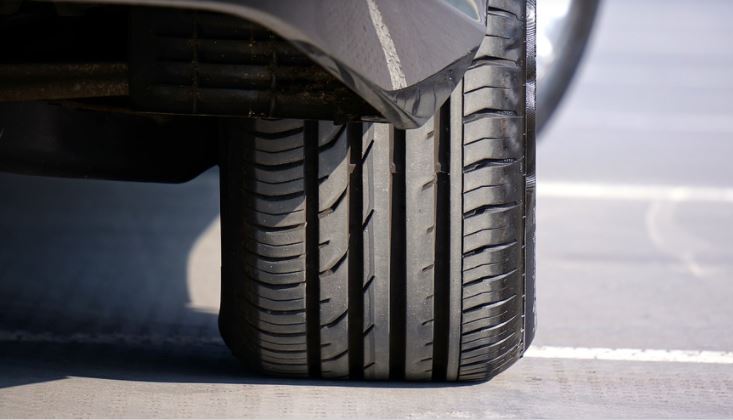
If your tires have some issues, it could be causing your car to bounce. There might be wires sticking out of them, they may need to be balanced, there could be a problem with your wheels, or your tires might just be old and need to be replaced. Your tires can have a huge effect in how well your car handles the road and can be a reason that it bounces. A repair shop can check your tires, balance and change them if needed to ensure your road trips are smooth and safe.
Brakes
If your car seems to be bouncing when you try to stop, it might be a sign that there is something wrong with your brakes. If they aren’t working right, they could be catching as you try to slow down and stop and this could make the car feel like it’s bouncing. It can also happen if you try to stop quickly and your car is hesitant to slow down and bounces before coming to a complete stop. Once the brakes are repaired, the car should be able to stop more smoothly, stop bouncing and be safer for you to drive.
Suspension
Your car’s suspension is what helps it hit bumps and still drive smoothly. It’s meant to move the car slightly while still allowing you to have control of it while driving. You will notice that your car bounced for a long time after hitting a bump or going over a speed bump in the parking lot. While it’s normal to feel a little bounce, if the bounce is too obvious or it seems to be lasting longer than normal, it might mean that your struts or shocks are wearing down and need to be replaced. An auto repair shop can help you with that.

If you are noticing that your car is bouncing around on the road, you might be concerned and confused. There are a few different problems that could be causing the bouncing to occur. The above are just a few of those things. If you need help finding the cause of the bouncing and you want to get the repairs quickly, be sure to consider calling a Chandler, AZ auto repair. You can reach out to Network Automotive Service Center. We can help with a variety of car issues. Just give us a call today to make arrangements for your service appointment.