by | Jul 26, 2021 | Car Care & Driving Tips
In many states, it is unlawful to drive a vehicle if the driver or the vehicle isn’t protected. Individuals who dismiss this law frequently face enormous fines and can even have their permit suspended. Numerous individuals face the challenge of driving without protection consistently in light of the fact that they think they can’t manage the cost of protection. Numerous vehicle insurance agencies offer reasonable protection. Some even permit you to pick your own rate. If you want to help reduce insurance costs, be sure to take your car to a Chandler, AZ auto repair shop to keep it running and keep these other tips in mind.
Compare Prices
Start examination shopping. The Internet makes it simple to analyze different insurance agencies without leaving the solace of your home or going through hours on the telephone. Utilize a web index to look for modest vehicle protection or visit the site of the vehicle insurance agencies you know about. You can likewise utilize a protection correlation site to get the rates from the absolute most famous organizations.
Compare Policies
Compare your options, limits and cost. On the off chance that you are thinking about a modest protection bundle, analyze the least expensive one from each organization to track down the one that offers the best approach and most inclusion. On the off chance that you are intending to buy protection from an organization that allows you to pick your own cost, be certain that the most minimal value choice gives the lawful measure of inclusion expected to drive a vehicle in your state. On the off chance that you are uncertain of how much inclusion is required, talk with a specialist or contact your neighborhood Department of Motor Vehicles.
Have It Serviced
 When you try to get insurance, the company will look at previous claims. If your car is not in good condition and is more likely to break down and cause an accident, your rate could be higher or they may even refuse to cover it. The best way to prevent claims and help improve your chances of getting a low insurance quote. It can help to make sure your car is serviced regularly and is always in the best working condition so you can avoid an accident and show that you are a safe driver.
If you are planning to get new insurance coverage or if you have a new vehicle and you want to be able to make sure you get the lowest price for the best policy, you want to make sure you keep the above tips in mind. If you want to be able to show that your car is safe, be sure to have it serviced often by a Chandler, AZ auto repair shop. You can reach out to Network Automotive Service Center. We are happy to help you with all your vehicle repair needs and any issues you may be having.

by | Jul 19, 2021 | Car Care & Driving Tips
On the off chance that you are arranging a get the nation over and can’t drive your vehicles yourself, you might need to consider having them delivered all things being equal. There are numerous organizations that work in getting vehicles the nation over and can help make your moving experience less unpleasant. Since your vehicle is an important belonging, you will need to ensure it is taken care of mindfully and with care from a Chandler, AZ auto repair shop. There are a few interesting points while picking an organization to send your vehicle.
Compare Services
Various organizations utilize various techniques for transportation to get vehicles the nation over. Some may tow the vehicles, some make drive it and others will pull it on a huge transport or even a train. In the event that you have an inclination with respect to how your vehicle is dispatched, discover an organization that offers your favored strategy for transportation. Talk with the client support branch of each delivery organization to discover how your vehicle will be moved. Get some information about different administrations that are remembered for the move. A few organizations may clean your vehicle previously or after it is moved or offer other discretionary types of assistance.
Compare Prices
Utilize a value examination site or visit a few diverse vehicle moving organization site to get a statement on your turn. Some site may offer online moment statements and others will expect you to call their client support division to supply data about your vehicle and the move before they can give you a statement. Remember that the least expensive organization may not really be the awesome. It is imperative to consider administration and cost when contrasting costs and organizations.
Have It Serviced
 Before you spend the time and money to have a car shipped to someone who has purchased it, you might want to make sure it is in good condition. You don’t want to waste your time shipping the car if it has a lot of problems. You can have your car serviced to ensure there are no mechanical issues and you can rest assured that it will run properly when it arrives at the destination. Whether you are planning to drive the car yourself or you are selling it and sending it to the buyer, it’s a good idea to have it serviced before you ship it.
If you are ready to have a car shipped across the country for one reason or another, it makes since to do it the smart way. Be sure to keep all the above things in mind when making your plans to ship it. There may be other things you want to think about as well to ensure the car makes it correctly. If you are ready to think about shipping your car and you want to be able to have it serviced, be sure to call a Chandler, AZ auto repair shop. Network Automotive Service Center is happy to assist you with getting your car ready to ship.
by | Jul 12, 2021 | Car Care & Driving Tips
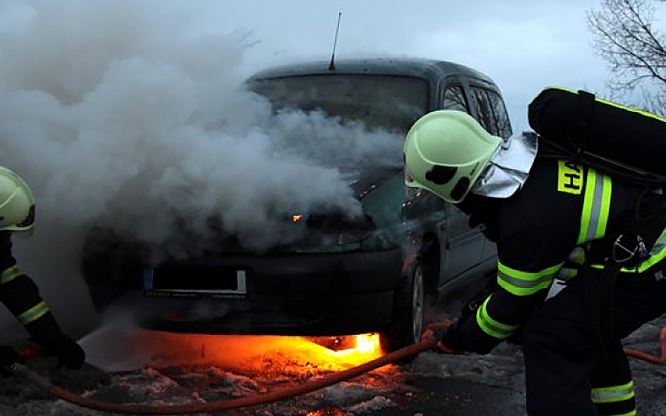
Cars almost never fail without warning. Before a breakdown, there is usually a stretch of weeks or months where the vehicle was quietly asking for help: a new noise, a hesitation, a light on the dash, a spot on the driveway. Drivers who learn to read those signals catch problems while they are small and affordable. Drivers who ignore them meet the same problems later, on the side of the road, at several times the cost. Here are the signs a car needs service, from a Mesa, AZ auto repair shop that has seen where each one leads.

Dashboard Warning Lights
Start with the obvious one, because so many drivers still ignore it. A check engine light is your car’s computer reporting that something is out of range. Sometimes the cause is minor, like a loose gas cap. In fact, if the light appeared right after a fill-up, snugging the cap is the one no-cost fix worth trying first. Sometimes it is a misfire that is actively damaging your catalytic converter. You cannot tell which from the driver’s seat, which is exactly why the light deserves a prompt professional scan and proper engine diagnostics rather than months of hoping.
Two rules of thumb: a steady check engine light means schedule service soon; a flashing one means stop driving and get help now, because flashing typically indicates a misfire severe enough to cause damage. And any red warning light, such as oil pressure, temperature, or brakes, means pull over safely and investigate before continuing.
New Noises That Were Not There Before
You know your car’s normal sounds better than anyone. When something new joins the soundtrack, pay attention:
- Squealing when braking: Often the built-in wear indicator on brake pads telling you replacement time has arrived.
- Grinding when braking: Pads are likely gone and metal is contacting metal; this is urgent, and it gets more expensive by the day. Our brakes archive covers these symptoms in more depth.
- Clicking that speeds up with the wheels: A classic sign of a failing CV joint.
- Squealing on startup: Usually a belt, and Arizona heat ages belts fast.
- Clunks over bumps: Suspension components asking for an inspection.
None of these sounds improves on its own. The car is not being dramatic; it is being accurate. When you describe a noise to your shop, note when it happens (cold start, braking, turning, over bumps) and whether it changes with speed. Those details are diagnostic gold and can shave real time off finding the cause.
Changes You Can Feel Through the Wheel and Pedals
Some warnings arrive through your hands and feet instead of your ears. A steering wheel that vibrates at highway speed often points to tire balance or wear. A car that pulls to one side may need an alignment, or may have a brake or tire issue. A brake pedal that feels soft, low, or pulsing deserves immediate attention, because brakes are not a system to gamble on. A transmission that hesitates, slips, or shifts hard is asking for service while the problem is still fluid-and-adjustment territory rather than rebuild territory.
The pattern to notice is change. Any difference in how the car steers, stops, shifts, or rides is worth a look, precisely because you have a baseline to compare against.
Leaks, Smells, and Smoke
Fluids belong inside the car, so anything on your driveway is information. Brown or black spots are engine oil. Red or reddish-brown usually means transmission or power steering fluid. Green, orange, or pink is coolant, which matters enormously heading into a Mesa summer. Clear water under the front on a hot day is usually just AC condensation and is normal.
Smells carry warnings too: a sweet smell can mean leaking coolant, a burning odor can point to oil on hot components or slipping clutches, and a rotten-egg smell often implicates the catalytic converter. Visible smoke or steam from under the hood means stop driving and call for help. If you spot a leak or smell something new and are not sure how serious it is, call (480) 444-0242 and describe it; a two-minute conversation can tell you whether you are looking at an emergency or an appointment.
Falling Fuel Economy and Hard Starts
Some signs are gradual. If you are filling up noticeably more often on the same commute, something is off: it might be tire pressure, a clogged air filter (monsoon dust is rough on filters here), a lazy sensor, or an engine running inefficiently. Slow cranking or hard starting is another quiet warning, and in Arizona it very often means the battery is nearing the end of its heat-shortened life. Batteries in the Valley frequently die younger than their ratings suggest, and the failure usually comes on the hottest week of the year. A quick electrical test at any service visit gets ahead of it.
A Two-Minute Monthly Check That Catches Most of This Early
You can spot the majority of these warning signs with a simple monthly routine. Once a month, in the driveway:
- Look under the car for fresh spots after it has parked overnight.
- Walk around the tires checking pressure, visible wear, and anything stuck in the tread.
- Turn everything on: lights, blinkers, wipers, AC, and listen to the car idle for a minute.
- Check the oil and coolant reservoir levels if your vehicle allows easy access.
- Note anything that changed since last month.
That short ritual builds the baseline that makes every other warning sign obvious, and it costs nothing.
The common thread in every section above: early attention is cheap, and delay is expensive. You do not need to diagnose anything yourself; you just need to notice changes and act on them. Network Automotive Service Center has been family-owned since 1995, serving East Valley drivers who would rather fix small problems than fund big ones. If your car is showing any of these signs, or it has simply been a while since anyone looked it over, explore our services or call (480) 444-0242 to schedule a visit. Your car has been telling you what it needs; we will help you translate.

by | Jul 5, 2021 | Car Care & Driving Tips
When you decide to sell a car, the instinct is to spend as little as possible on it from that moment forward. After all, it is about to be someone else’s vehicle. But that instinct often costs sellers real money. Buyers pay for confidence, and a car that runs right, looks cared for, and comes with service records sells faster and for more than the same car with obvious neglect. Here is how getting your car serviced at a Mesa, AZ auto repair shop before listing it can pay for itself, and where to draw the line on pre-sale spending.
Why Buyers Pay More for a Serviced Car
Put yourself in the buyer’s seat. Every used car is a gamble, and buyers price that risk into their offers. A rough idle, a warning light, worn tires, or an A/C that blows warm all scream future expenses, and buyers respond by lowballing or walking away. Even honest sellers lose deals over issues that would have been inexpensive to address.
A car that starts instantly, idles smoothly, stops confidently, and blows cold air removes those doubts. In Arizona especially, working air conditioning is non-negotiable. Few things end a test drive faster in Mesa than warm air from the vents in the middle of summer.
Start With an Inspection, Not a Guess
Before spending anything, have the car professionally inspected so you know exactly what you are working with. An inspection gives you three valuable things: a list of what is wrong, a sense of what each item means for safety and drivability, and the ability to make informed decisions instead of emotional ones.
It also prepares you for the buyer’s mechanic. Serious used car buyers often request a pre-purchase inspection of their own, and you do not want their mechanic discovering problems you did not know about mid-negotiation. Knowing the car’s true condition first keeps you in control of the conversation.
The Pre-Sale Services That Usually Make Sense
Every car is different, but these items consistently return more in sale price and speed than they cost:
- Oil change and fluid top-off. Fresh, clean oil on the dipstick signals a maintained engine. Dark sludge signals the opposite. Our oil change and maintenance articles explain what buyers are looking at.
- Addressing warning lights. A lit check engine light devastates a sale price, often far beyond the actual cost of the fix, because buyers assume the worst.
- Brake service if there are symptoms. Squealing or grinding during the test drive is a deal killer.
- Battery check. Arizona heat shortens battery life, and a car that hesitates to start makes a terrible first impression.
- A/C performance check. As noted above, cold air is essential to selling a car in the Valley.
Do Not Skip the Cheap Cosmetics
Mechanical condition earns the price, but appearance gets buyers in the door. A thorough wash and interior detail costs little compared to what it returns. Clean the engine bay lightly, empty the trunk, remove personal items, and get rid of any smoker or pet odors, which are among the most common reasons buyers walk. In the desert, pay attention to sun damage: faded trim and cloudy headlights make a car look older than it is, and cloudy lenses can often be restored inexpensively.
Gather Your Service Records
Documentation is one of the strongest selling tools you have, and it costs nothing. A folder or file of oil changes, repairs, and maintenance receipts proves the car was cared for and backs up your asking price. If one shop has handled most of your service, ask them to print your vehicle’s history. Buyers consistently reward sellers who can show the story of the car instead of just telling it. If we have serviced your vehicle, call us at (480) 444-0242 and we can help you pull together the records.
Know When Not to Spend
Pre-sale preparation has a limit. Major repairs rarely return their full cost at sale time, so if the car needs something substantial, you are often better off disclosing the issue and pricing the car accordingly rather than paying for the repair yourself. The goal of pre-sale service is to remove doubts and small objections, not to restore the vehicle to new condition. An honest conversation with a shop you trust can help you sort which repairs will pay for themselves and which will not. That is a conversation we have with East Valley sellers all the time, and you can learn more about how we work on our about page.
Think About Timing and Presentation
When you list the car can matter almost as much as its condition. In the Valley, a vehicle with strong, cold air conditioning shows best in the warmer months, when buyers feel the benefit the moment the test drive starts. Convertibles and recreational vehicles tend to draw more interest in the pleasant seasons when buyers are imagining weekend use. There is no perfect formula, but listing a car whose strengths match the season gives you an edge.
Presentation finishes the job. Photograph the car clean, in good light, from multiple angles, and include honest photos of any flaws, because surprises discovered in person kill trust and deals. Write a listing that mentions the recent service work and the records you have gathered. A buyer who arrives already knowing the car has been inspected, serviced, and documented is a buyer who negotiates less and decides faster, which is exactly what you want.
One last presentation tip: choose where you show the car thoughtfully. A shaded meeting spot in the Arizona heat keeps everyone comfortable, lets the buyer take their time, and gives your air conditioning the chance to demonstrate exactly what it can do on the test drive.
Sell With Confidence
A serviced, clean, documented car attracts better buyers, sells faster, and commands a stronger price. It also makes for a smoother transaction, with fewer surprises during the buyer’s inspection and less haggling at the end. Network Automotive Service Center has been family-owned since 1995, helping Mesa and East Valley drivers with everything from routine maintenance to pre-sale checkups. Explore our services and call (480) 444-0242 to schedule an inspection before you list your car. A small investment now can mean a much better handshake later.

by | May 3, 2021 | Car Care & Driving Tips
Anyone who has grabbed a steering wheel in a Mesa parking lot in July knows the problem: a car parked in the Arizona sun becomes an oven. Cabin temperatures in a closed vehicle can climb far above the already-brutal outdoor temperature, hot enough to burn skin on seat belts and steering wheels, crack and fade interior surfaces, and turn the first ten minutes of every drive into an endurance event. You cannot change the weather, but you can change how much of it ends up inside your car. Here is how to keep your car’s interior from overheating in the summer, with strategies that actually work in the East Valley.
Win the Parking Battle First
Where you park matters more than anything else on this list. A car in shade absorbs dramatically less heat than one in direct sun, so it is worth a longer walk to park under a tree, a solar canopy, or a parking garage. Orientation helps too: if you cannot find shade, parking with the windshield facing away from the sun keeps the dashboard and steering wheel out of the worst direct exposure.
At home, use the garage if you have one. A garaged car starts the day cooler, and everything inside it, from electronics to upholstery, ages slower. If your garage has become storage, reclaiming it is genuinely one of the best things you can do for your vehicle in Arizona.
Use Sunshades Like You Mean It
A windshield sunshade is cheap, takes ten seconds to deploy, and blocks a huge amount of solar energy from reaching your dashboard and seats. The reflective kind works best, and it needs to actually be used, not live folded in the back seat. Rear and side window shades add more protection, especially for families with kids in car seats, since buckles and hardware get dangerously hot in direct sun.
Two related upgrades worth considering: seat covers protect leather and cloth from direct sun, and a steering wheel cover, or even a small towel draped over the wheel, means you can actually hold the wheel when you get in.
If you park at work all day, plan for the afternoon sun rather than the morning sun when you pick a spot. The space that is shaded at 8 AM may be in full sun at 4 PM, exactly when you come back to the car. A minute of planning at arrival pays off at the hottest hour of the day.
Let Heat Escape Before You Trap Yourself With It
When you return to a baked car, do not just climb in and blast the AC. Open the doors, or roll the windows down, for a minute to let the superheated air escape first. Cracking the windows slightly while parked, where it is safe to do so, also keeps the interior closer to outdoor temperature by giving hot air a way out.
Once you are moving, drive with the windows down for the first minute to flush the hot air, then close them and let the AC work on cooler air. Even a garage-kept car benefits from a quick flush of air after sitting in a parking lot. Your air conditioning cools the cabin much faster when it is not fighting trapped 150-degree air, and that means less strain on the whole AC and cooling system every single time you drive.
Protect the Interior Surfaces Themselves
Even with good habits, an Arizona interior takes UV abuse. A few maintenance habits keep heat from turning into permanent damage:
- Treat dash, trim, and leather with a UV protectant regularly; sun-dried vinyl and leather crack, and cracked dashboards are expensive to make right.
- Keep the interior clean; dust and grit ground into hot surfaces accelerates wear.
- Never leave electronics, aerosol cans, plastic bottles, medications, or crayons in a parked car; heat destroys the first, and the rest make memorable messes or lose potency.
- Tinted windows, where legal, meaningfully reduce interior heat and UV fading, and they protect the people in the car as much as the upholstery.
Plan Around the Heat, Not Just Against It
Timing is an underrated tool. When you can, run errands in the early morning or after sunset, and group stops so the car reheats fewer times. If your vehicle has remote start with climate control, use it for a minute or two before you load kids or groceries. And never underestimate how fast a closed car heats up: temperatures climb dangerously within minutes, which is why children and pets should never wait in a parked car here, even briefly, even in shade. The same math that makes your steering wheel untouchable makes a closed cabin genuinely hazardous.
Make Sure Your AC Can Hold Up Its End
All the shade and sunshades in the world will not help if your air conditioning is weak. An AC system that starts the summer marginal will be miserable by August, because low refrigerant, a tired compressor, or a struggling condenser only gets worse under load. If your system takes a long time to get cold, blows noticeably warmer at idle, or cannot keep up on the highway at midday, have it tested before peak season. A quick call to (480) 444-0242 gets you scheduled for an AC performance check, which is far more pleasant than discovering the problem in a parking lot in the middle of a heat wave.
For more Arizona-specific advice on living with the heat, our car care and driving tips archive covers seasonal topics like this one all year long.
Summer heat is the defining challenge of owning a car in the Valley, but a cooler interior is mostly the sum of small habits: shade, sunshades, ventilation, surface protection, and an AC system that is actually healthy. If your car’s air conditioning needs attention before the next heat wave, explore our services or call Network Automotive Service Center, family-owned since 1995, at (480) 444-0242. We will make sure the coolest place on a summer afternoon is the inside of your own car.
by | Apr 26, 2021 | Car Care & Driving Tips
Spring in the East Valley is the season everyone waits for. The mornings are cool, the afternoons are perfect, and the roads fill up with everyone trying to enjoy it before summer arrives. It is also the single best time of year to get your car ready for what is coming, because the brutal months are ahead of you, not behind you. A little preparation in March and April prevents the breakdowns that fill repair shops in June. Here are the spring driving tips we share with our own families, from a Chandler, AZ auto repair shop that has watched this cycle repeat since 1995.

Test Your Air Conditioning Now, Not in June
This is the most important item on the list. Every spring, drivers turn on their A/C for the first warm afternoon and discover it blows weak or warm. The ones who address it in spring get it fixed comfortably. The ones who wait discover the problem during the first 105-degree week, when they need it most.
Run your A/C on a warm spring day and pay attention. Air that is cool but not cold, airflow that seems weaker than last year, odd smells from the vents, or noises when the compressor kicks on are all early warnings. In Arizona, air conditioning is a safety system, not a comfort feature, and spring is your window to get ahead of it. Our A/C and cooling system articles cover the common failure signs in more depth.
Check Your Tires Before the Pavement Gets Hot
Summer heat is merciless on tires. Hot pavement raises tire temperatures dramatically, and a tire that is worn, underinflated, or dry-rotted is far more likely to fail in July than in March. Use spring to get ahead:
- Check tread depth on all four tires, including the inner edges where wear hides.
- Inspect sidewalls for cracking, a common result of year-round Arizona sun exposure.
- Set pressures to the door jamb specification, and recheck monthly as temperatures climb.
- Rotate and align if it has been a while, so the tires you have last as long as possible.
Give the Cooling System a Once-Over
Your engine’s cooling system is about to work harder than at any other time of year. Spring is when to confirm the coolant is at the right level and in good condition, hoses are firm and crack-free, the radiator is unobstructed, and there are no slow leaks leaving telltale spots on your driveway. Overheating is one of the most common summer breakdowns in the Valley, and nearly every case gives warning signs weeks in advance. A cooling system inspection now is cheap insurance against a tow truck later.
Replace Wipers and Wash Off Winter Dust
It may seem backwards to think about wipers as the rainy season ends, but Arizona sun destroys wiper rubber faster than rain ever wears it out. Blades that sat baking all last year will smear and skip when you need them. They are inexpensive, so replace them annually.
Spring winds also kick up dust that coats the windshield, headlights, and cabin air filter. A dirty cabin filter makes your A/C work harder and lets dust and pollen into the car, which allergy sufferers notice immediately during spring bloom. It is a quick, low-cost item that makes a real difference in comfort.
Plan Ahead for Spring Road Trips
Spring is prime road trip season, whether it is spring training games, hikes, or a weekend getaway before the heat. Before any longer drive, top off fluids, check the spare tire, and make sure your emergency kit is stocked with water, snacks, a flashlight, a phone charger, and basic first aid supplies. Water matters even in mild months, because a breakdown on a remote stretch of Arizona highway can mean a long wait in the sun.
If your car is due for service anyway, schedule it before the trip rather than after. Long highway drives have a way of finding the weak points in a vehicle. If you want a pre-trip inspection, give us a call at (480) 444-0242 and we will look the car over before you go.
Watch for Spring Driving Hazards
The season brings its own road conditions worth respecting. Spring winds can push dust across roadways and reduce visibility in an instant, so slow down and add following distance when it is blowing. Weekend traffic swells with visitors and events, which means more congestion and more distracted drivers. And glare gets stronger as the sun climbs, so keep sunglasses in the car and the windshield clean inside and out, since a film on the inside glass scatters light badly at dawn and dusk.
Have the Battery Tested Before the Heat Returns
Spring is the smartest time of year to test a car battery in Arizona, because the season you are preparing for is the one that kills them. Extreme summer heat evaporates electrolyte and accelerates corrosion inside the battery, quietly stealing capacity. A battery that survived last summer and limped through winter may not have enough left for another round of triple-digit months.
Testing takes only a few minutes and gives you a straightforward answer about remaining capacity. While you are at it, look for the physical warning signs: white or greenish crust on the terminals, a swollen or bulging case, or a starter that cranks slower than it used to. Any of those means the battery deserves attention now. Replacing a battery on your schedule in April is a minor errand. Replacing one in a parking lot in July, with the temperature over 110 and the family in the car, is a very different experience.
Get Summer-Ready While It Is Still Pleasant
Everything above can be handled in one spring visit: A/C performance, tires, cooling system, wipers, filters, and a general health check. Taking care of it now means you head into the hottest months with confidence instead of crossed fingers. Network Automotive Service Center is family-owned, serving the East Valley since 1995. Browse our services, check our current coupons, and call (480) 444-0242 to schedule your spring checkup. Your summer self will thank you.