by | Jun 15, 2020 | Suspension, Wheels & Tires
If your car has started to feel floaty over dips, bouncy after bumps, or nose-heavy when you brake, there is a good chance your shocks or struts are wearing out. They are the parts that keep your tires planted and your ride controlled, and when they fade, the whole car feels older than it is. The good news is that replacing them transforms how a vehicle drives. The catch is that not all shocks and struts are the same, and choosing the right ones matters. Here is what Chandler area drivers should know before replacing them, and how a good auto repair shop helps you get it right.

What Shocks and Struts Actually Do
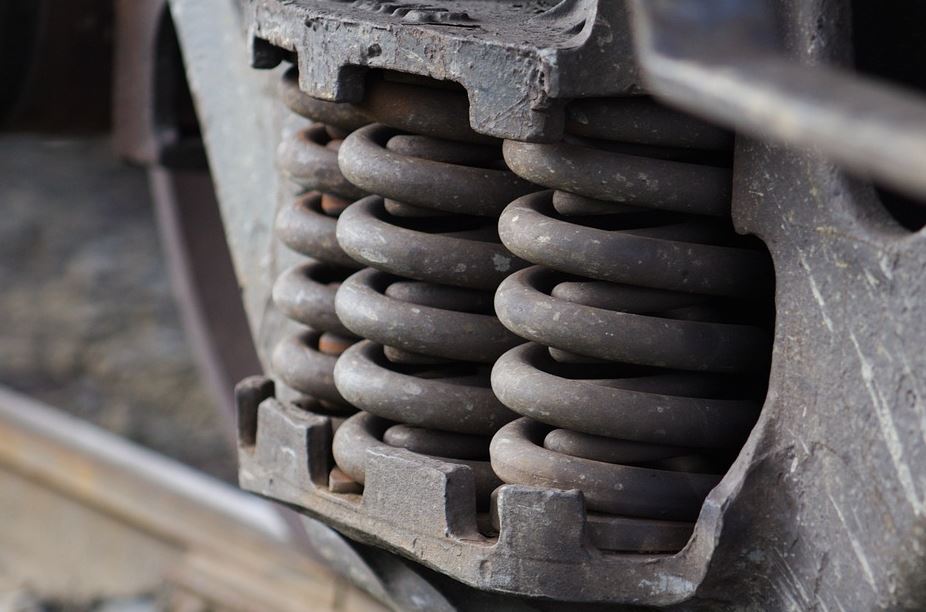
Springs absorb bumps, but without dampers your car would keep bouncing long after the bump is gone. Shocks and struts are those dampers. They control the movement of the springs so the tires stay in contact with the road, the body stays level in corners, and braking forces settle quickly instead of pitching the car forward.
Shocks and struts are not interchangeable terms. A shock absorber is a standalone damper, while a strut is a structural part of the suspension that combines the damper with a spring and supports the vehicle’s weight. Most vehicles use struts in the front and either shocks or struts in the rear, and your car must be fitted with the type its suspension was designed around.
Signs Yours Are Worn Out
- The car keeps bouncing after you cross a dip or speed bump
- The nose dives when you brake or the rear squats hard when you accelerate
- The body leans noticeably in corners or feels unstable in wind
- You see fluid leaking down the side of a shock or strut
- Tires develop scalloped or cupped wear patterns
- You hear clunks or knocks over bumps
Any of these is reason for an inspection. Worn dampers do not just hurt comfort. They increase stopping distance and reduce your control in emergency maneuvers, because a tire that is bouncing is a tire that is not gripping. More on these symptoms lives in our suspension, wheels, and tires section.
Match the Part to Your Vehicle First
The starting point for choosing shocks and struts is your exact vehicle: year, make, model, and often trim level and suspension package. Two versions of the same truck can take different parts. Getting the correct fitment is not optional, because a damper with the wrong length or valving changes ride height and handling, and a strut that does not match can affect alignment geometry.
From there, quality matters. Replacement dampers range from budget units to premium parts that meet or exceed the original equipment specification. A quality set generally rides closer to the way the vehicle felt when it was new and lasts longer before fading. This is an area where the cheapest option often disappoints, because a marginal damper can feel tired again surprisingly quickly.
Match the Part to How You Drive
Once fitment is settled, think about your actual driving:
- Mostly commuting and errands? A quality standard replacement restores the comfortable, controlled ride the car came with.
- Towing or hauling loads? Heavy-duty or load-adjusting options keep the rear from sagging and wallowing when the vehicle is loaded.
- Rough roads or dirt on your route? Firmer, more durable dampers handle repeated hard hits better.
- Want sharper handling? Performance-oriented dampers trade a little softness for more control.
Arizona driving adds a wrinkle worth mentioning. Our extreme heat is hard on the seals and fluid inside dampers, and washboard surfaces, expansion joints, and monsoon-season debris give the suspension plenty of sharp hits. Durable, well-built parts pay off here. If you are not sure which direction fits your situation, call us at (480) 444-0242 and describe how and where you drive. That conversation usually narrows the choice quickly.
Why Professional Installation Matters
Strut replacement in particular is not a casual driveway job. Struts bear the vehicle’s weight, and the springs they contain store enough energy to cause serious injury if compressed incorrectly. Beyond safety, struts affect wheel alignment, so a proper job includes checking and setting the alignment after installation. Skip that step and your brand new suspension can start eating tires immediately.
A professional shop also inspects the parts around the dampers, mounts, bushings, sway bar links, and tie rods, because these small components often wear at the same time. Replacing them together saves labor and prevents that frustrating experience of paying for new struts and still hearing a clunk.
Replace in Pairs and Plan the Whole Job
Shocks and struts should be replaced in pairs on the same axle, both fronts together or both rears together. Installing one new damper next to one worn damper leaves the two sides of the car responding differently to the same bump, which hurts stability and can feel worse than the problem you started with. If the vehicle is older and all four corners are original, it is worth having all four evaluated at once, since the rears rarely lag far behind the fronts.
Planning the whole job also means thinking about the parts that come off during the work. On many vehicles, strut mounts, bearing plates, and bump stops are inexpensive to replace while the strut is already out, and skipping them can mean paying the same labor twice later. Your shop should walk you through what is worth doing while everything is apart and what can safely wait.
Finally, budget for the alignment at the end. It is not an upsell; it is the step that protects your tires and makes the new suspension deliver what you paid for. A complete quote should include it from the start, so there are no surprises when you pick the car up.
Ride Comfort Is a Phone Call Away
If your car floats, bounces, or leans its way through every drive, new shocks or struts can make it feel years younger. Network Automotive Service Center has been family-owned since 1995, and we help East Valley drivers choose parts that fit their vehicle, their roads, and their budget. Take a look at our services and current coupons, then call (480) 444-0242 to schedule a suspension inspection.
by | Jun 8, 2020 | Car Care & Driving Tips
If your car doesn’t seem to be working right and you find yourself in need or repair services, you need to find the right Gilbert, AZ auto repair to do the job. Choosing the right shop can be difficult, but if you take your time and consider the important factors, you will find a car shop that will fix your car in no time and have you back on the road again. Here are a few things to keep in mind when choosing the repair shop that is right for you.
Experience
You want to make sure the shop you choose has plenty of experience working on various vehicles. You want to make sure they have worked on vehicles similar to your sin the past and have been working on vehicles for a good amount of time. This will let you know they know that they are doing and will do a good job. You also want to make sure they have made the same repairs that your car needs.
Read also: Tips For Choosing The Right Gilbert, AZ Auto Repair Service To Change Your
Oil
Cost
If you are concerned about the cost of the service, don’t be scared to shop around to find the best price. Nobody wants to overpay for a service, so make sure you don’t just look for the best prices, but the best value for your money. You should also look for special coupons or deals that are available at certain times of the year.
Reputation
The shop you choose should have a good reputation. You will want to read customer reviews and even check social media pages to see what other people are saying about the shop. You don’t want to choose a company that has a good rating and has good reviews from previous customers. If you notice a shop has a poor reputation or seems to be letting the customers down, it may be wise to choose a different shop.
Services
You may be in need of specific services now, but there is a good chance you will need others too. You don’t want to choose a shop that has a limited amount of service options, you want one that can help with all your automotive needs. Make sure the shop you choose offers many different services so you can go to them any time you have a problem and get your vehicle repaired.
Read also: Signs Your Oil Needs Changed By A Gilbert, AZ Auto Repair Center
If you think your car may be having problems and you are in need of a Gilbert, AZ auto repair, you may be wondering how to choose the right shop. There are many different shops to choose from, and they all offer something different and unique. When it comes time to choose one to work on your car, be sure to consider the above factors to make your selection easier. You can call Network Automotive Service Center for help with all your vehicle repair needs. We are happy to ensure that your car is running well and working as it should at all times.
Read More: automotive repair gilbert az

by | Jun 1, 2020 | A/C & Cooling System
When the temperatures start to increase outside, there’s nothing better than knowing you can hop in your car and turn on the air conditioner to find some relief while driving. If your air conditioner isn’t working right, your happiness to take a ride could be short-lived. If you are air conditioner in your car isn’t working properly, you may need to have it fixed by a Mesa, AZ auto repair shop. Here are some signs that your air conditioner needs to be charged.
Blows Hot Air
One of the most obvious reasons that there is a problem with your air conditioner is that it blows hot air. If you have your vehicle on the air setting, it should be blowing cold air. If it’s not, it could be because it doesn’t have any freon. Once the refrigerant has been added and the air conditioner has been charged, it can blow cold air again. If your car is blowing warm or even room temperature air, you should take it to a shop and have a mechanic determine if it needs to be charged or if there is another problem instead.
Fan Doesn’t Turn On
Sometimes when there’s no freon in your car’s air conditioner, it won’t turn on at on. You can turn the switch to the right setting, but the fan just won’t kick on. This is because the air conditioner needs to have refrigerant added so it can work correctly. If your fan isn’t working. It doesn’t just mean your air conditioner needs to be charged, it could also mean there is another problem. A mechanic will be able to help you fix the air conditioner properly.
Refrigerant Is Leaking
If you can see that there is refrigerant leaking from your vehicle, then it is very likely low on freon. Your air conditioner may still be working, but it’s only a matter of time before it stops working properly. You don’t just want to charge the air conditioner; you need to have a mechanic find the cause or reason for the leak and repair it. This will prevent the new freon from leaking out and causing other problems with your air conditioner. If you don’t repair the leak, it won’t do any good to charge your air conditioner, as the coolant will continue to leak out fo the car.
If your vehicle’s air conditioner isn’t working properly and you think it may be charged, you should take it to a Mesa, AZ auto repair shop to have it charged. Once the air conditioner is charged, it will work much better and blow cold air again. You can call the Network Automotive Service Center to make an appointment to have your vehicle checked and repaired. We are here to help with all different types of automotive service needs, including air conditioner issues. If you need help with your vehicle, be sure to call and schedule an appointment with us.

by | May 25, 2020 | A/C & Cooling System
There is no polite way to say it: driving around Chandler in summer with weak air conditioning is miserable, and sometimes genuinely unsafe. When it is 113 degrees outside, cabin temperatures in a parked car can soar far higher, and an AC system that only sort of works cannot claw that heat back. One of the most common reasons a car’s AC underperforms is low refrigerant, and the fix is a professional evaluation and recharge. But how do you know whether your system needs a recharge, a repair, or both? Here are the signs a Chandler, AZ auto repair center looks for, and what each one means.
The Air Blows, but It Is Not Cold
This is the classic symptom. The fan works, air moves through the vents, but it is cool at best instead of cold. Your AC system cools by circulating refrigerant, which absorbs heat from cabin air and releases it outside. When the refrigerant charge drops below spec, the system physically cannot move enough heat, so vent temperatures rise. On a mild spring day you might not notice a marginal system. In an Arizona June, you absolutely will, because a system that has lost capacity has no headroom left when it is fighting triple digits.
One important note: refrigerant does not get used up like fuel. A sealed system should hold its charge for years. If your car is low, the refrigerant went somewhere, which usually means a small leak. That is why a proper service includes finding and fixing the cause, not just topping off the system so it can leak out again by August.
The AC Works at Highway Speed but Not in Traffic
A marginal system often behaves differently depending on how you drive. At highway speeds, plenty of air flows across the condenser at the front of the car, helping the system shed heat. Stuck in stop-and-go traffic on the 202 or idling in a school pickup line, the system depends on fans and an already-strained condenser. If your AC feels decent on the freeway but turns weak around town, low refrigerant or a struggling condenser is a likely suspect, and it is worth having the system tested before it quits entirely.
The Compressor Clutch Cycles Constantly or Will Not Engage
Listen for a soft click from the engine bay when the AC kicks on. That is the compressor clutch engaging. Two behaviors signal trouble:
- Rapid cycling: The clutch clicks on and off every few seconds. Low refrigerant pressure often causes the system to short-cycle as protection.
- No engagement at all: Many systems have a low-pressure cutoff that prevents the compressor from running when refrigerant is critically low, because running a compressor without enough refrigerant, which also carries the system’s lubricating oil, can destroy it.
That second point is the expensive one. A recharge is a modest service. A failed compressor is a major repair. Catching low refrigerant early protects the priciest component in the system.
Moisture, Odors, or Visible Leaks
A few other signs deserve attention. Oily residue around AC fittings, hoses, or the compressor can mark a refrigerant leak, since the oil travels with the refrigerant. A musty smell from the vents usually points to moisture and buildup in the evaporator case rather than refrigerant, but it still deserves attention, and it often shows up alongside other AC issues. And if you ever see the system’s lines frosting or icing over, shut the AC off and have it inspected; icing usually signals a charge or airflow problem inside the system.
Why a Professional Recharge Beats a DIY Can
Parts stores sell recharge kits, and in a pinch they are tempting. The trouble is that a gauge on a can cannot tell you how much refrigerant is actually in the system, whether there is air or moisture contaminating it, or where the leak is. Overcharging is just as harmful as undercharging, and sealer additives in some kits can clog components and complicate future repairs. A shop recovers the old refrigerant, pulls a vacuum to remove moisture, checks for leaks, and recharges the system to the exact weight your vehicle specifies. That precision is the difference between AC that limps through one summer and AC that is genuinely cold for years. You can browse related posts in our AC and cooling system archive to learn more about how these systems behave in Arizona heat.
How Often Should a Car Need a Recharge?
Here is the benchmark worth remembering: a healthy AC system may go many years without needing refrigerant. The system is sealed, and the refrigerant circulates rather than being consumed. Very small amounts can permeate out over a long period, which is why an older car may eventually benefit from a service even without a distinct failure. But if your car needs a recharge every season, you do not have a recharge problem; you have a leak, and each recharge without a repair is paying for the same refrigerant twice. A shop can add UV dye or use an electronic detector to locate the leak, fix the failing component or seal, and then charge the system once, properly. That approach costs more than a parking lot top-off the first time and far less than repeating it every summer.
Do Not Wait for the First 110-Degree Week
Every summer, AC problems surface in the East Valley at the exact moment everyone else discovers theirs too. The smart move is to test a weak system in spring, when a marginal AC is an inconvenience rather than a health concern for kids, older passengers, and pets in the back seat. If your AC seemed a little lazy at the end of last summer, that weakness will still be there when the heat returns, only worse. Call (480) 444-0242 to schedule an AC performance check before the season peaks, and it is worth checking our current coupons and specials before your visit.
Cold AC in Arizona is not a luxury; it is basic equipment. If your vents are blowing warm, your compressor is cycling oddly, or your system just cannot keep up the way it used to, explore our services or call Network Automotive Service Center, family-owned since 1995, at (480) 444-0242. A proper diagnosis and recharge now means every drive between here and October stays comfortable.

by | May 18, 2020 | Oil Change & Maintenance
Oil is the lifeblood of your engine, but it is also the easiest maintenance item to forget. There is no dramatic failure the day you pass your recommended interval. The engine starts, the car drives, and life goes on. Meanwhile, the oil inside is slowly losing its ability to protect the hundreds of metal parts moving at high speed just inches apart. By the time neglected oil causes a symptom you cannot ignore, real damage may already be done. Here is how to tell when your oil needs changing, and why Gilbert’s climate shortens the timeline, from a Gilbert, AZ auto repair center that has seen the consequences firsthand.
Check the Oil Itself: Color, Level, and Texture
The most direct way to assess your oil takes about two minutes. With the engine cool and the car parked on level ground, pull the dipstick, wipe it clean, reinsert it, and pull it again. You are looking at two things: level and condition.
- Level. The oil should sit between the two marks on the dipstick. If it is at or below the low mark, your engine is running with less protection than it needs, and you should top off and investigate why it is low.
- Color. Fresh oil is amber and translucent, like honey. As it works, it darkens. Dark brown or black oil that you cannot see through has absorbed significant contaminants and is due for a change.
- Texture. Rub a drop between your fingers. Gritty oil means suspended particles are circulating through your engine. Milky or foamy oil can indicate coolant contamination, which is a serious problem that needs immediate professional attention.
Symptoms You Will Notice While Driving
When oil degrades or runs low, the engine starts to tell you. Listen for a louder engine, particularly a ticking or light knocking sound at idle or on cold starts. That noise is often metal components no longer receiving the cushioning film of oil they depend on. You may also notice the engine feels rougher or less responsive than usual, or that fuel economy has slipped. Old, thickened oil creates drag inside the engine, and the engine burns more fuel to overcome it.
Exhaust smoke is another clue. Some vapor from the tailpipe is normal, especially on cool mornings. Persistent blue-gray smoke, however, suggests oil is burning inside the combustion chambers, and a smell of hot oil in the cabin can point to a leak dripping onto hot engine parts.
Do Not Ignore the Dashboard Lights
Two lights matter here. The oil change reminder is a maintenance message based on mileage or an algorithm, and it means schedule service soon. The red oil pressure warning light is entirely different. It means the engine is not maintaining safe oil pressure right now. If that light comes on while driving, pull over safely and shut the engine off. Driving with low oil pressure can destroy an engine in minutes, turning a routine service visit into a repair bill that can total the car. When in doubt, stop and call for guidance rather than pushing on. You can reach our team at (480) 444-0242 if you are unsure what your warning light means.
Why Gilbert Drivers Need Oil Changes More Often
The intervals printed in your owner’s manual assume what engineers call normal operating conditions. Much of the driving in Gilbert and the surrounding East Valley falls under the severe service definition instead, and the manual usually lists a shorter interval for exactly these conditions:
- Extreme heat. Sustained triple-digit temperatures thin the oil and accelerate oxidation, the chemical breakdown that ends an oil’s useful life.
- Stop-and-go traffic. Idling and short trips build heat and contaminants without the sustained highway driving that helps oil do its job efficiently.
- Dust. Monsoon season dust storms and general desert grit load up the air filter and find their way into the oil, where they circulate as fine abrasives.
If your driving is mostly around town in Phoenix-metro conditions, treat the severe service schedule as your normal one. It is a small cost difference that buys meaningful engine protection. You can find more guidance on intervals and oil types in our oil change and maintenance articles.
What a Professional Oil Service Includes
A quality oil service is more than draining and refilling. The technician replaces the oil filter, verifies the correct oil grade for your engine, checks for leaks around the drain plug, filter, and gaskets, and typically inspects other fluids and components while the vehicle is on the lift. That inspection is where small problems get caught early: a weeping gasket, a cracked belt, a tire wearing unevenly. Regular oil changes quietly double as regular health checks for the whole vehicle.
Keeping simple records helps too. Note the date and mileage of each change, or let your shop track it for you, so you are never guessing when the next one is due.
Conventional, Synthetic Blend, or Full Synthetic?
Not all oil handles Arizona heat equally. Conventional oil does its job in moderate conditions, but it thins and oxidizes more quickly at high temperatures. Full synthetic oil is engineered to hold its protective properties across a much wider temperature range, which makes it especially well suited to desert summers and stop-and-go commuting. Synthetic blends fall in between, offering some of that stability at a lower cost.
Many newer engines require synthetic oil outright, so always start with what your owner’s manual specifies. If your vehicle allows a choice, the East Valley’s operating conditions are a strong argument for full synthetic, particularly if you plan to keep the car for years. Whichever oil you run, the interval still matters more than the label. The best oil in the world stops protecting when it is worn out and saturated with contaminants, so pick the right oil and change it on time.
Stay Ahead of It
Oil changes are the cheapest insurance your engine will ever get. Staying on schedule protects performance, fuel economy, and resale value, and it dramatically lowers the odds of the kind of engine damage that no one budgets for. If your oil is dark, your engine is noisy, or you simply cannot remember your last service, it is time.
Network Automotive Service Center has been family-owned since 1995 and proudly serves Gilbert and the East Valley. See the full range of our services, then call (480) 444-0242 to schedule your oil change. Your engine will thank you for years to come.

by | May 11, 2020 | A/C & Cooling System
If your radiator needs to be replaced, there’s a good chance you have noticed your vehicle acting up. When a radiator starts to go out, the signs that there is a problem may be hard to notice. The longer it goes without being replaced or repaired, the worse they will become, and the harder they will be to ignore. The radiator helps keep your car cool and if you don’t fix it, it could cause more severe problems with your engine. If you think your radiator may have a problem consider taking it to a Mesa, AZ auto repair center. Here’s how to tell if you need a new radiator.
Leaking Coolant
Sometimes a radiator can develop a leak or become cracked. This can happen if you run out of coolant and water freezes in it, if you have an accident, or if you hit a curb or bump in the road too hard. If the coolant leaks out, it may not be making it to the engine and won’t cool it. This could cause problems. If you notice your vehicle is leaking coolant, it could be coming from the radiator. It may be able to be fixed or replaced.
Discolored Coolant
If you check your coolant or if it appears to be an off-color in the reservoir, it’s a sign your radiator isn’t working as it should. There could be dirt or oil mixing with the coolant and causing it to become dirty. This could be a sign that the radiator is busted, or that it’s not doing its job. It could also be something as simple as replacing the coolant. It’s a good idea to take your car to a shop to find out why the coolant is discolored and to make sure there’s not a problem with your radiator.
Car Overheats
The most obvious and severe problem that a bad radiator can cause is for your car to overheat. The radiator helps pump coolant into the engine to keep it cool. If the radiator fails to pump the coolant or if it’s busted and allows the coolant to leak out, the engine can overheat. If this goes on for too long, the engine could become severely damaged or even blow up. That’s why it’s important to have your radiator replaced or repaired as soon as you notice a problem.
If you are vehicle’s radiator is causing issues with your engine or if you think it may just be leaking, you should make plans to have it repaired. You can take your car to a Mesa, AZ auto repair for repairs. You can call Network Automotive Service Center for help. Just call or stop by the service center to make an appointment. We can inspect your car and determine if the radiator is failing and if it can be replaced or needs to be repaired instead. We are here to help with all your repair needs.
by | May 4, 2020 | Brakes
Your rotors are an important part of your vehicle and they need to be maintained and changed just like other parts. If they arent working properly or are old and damaged, they may fail to stop your car and could even lead to an accident. If you need new rotors, you can have them installed by a Chandler, AZ auto repair center. Here are some signs that you may need new rotors.
Read also: How To Choose The Right Shocks And Struts At Chandler, AZ Auto Repair Shop
The Car Shakes When You Hit The Brakes
If you notice that our car is starting to shake or feel jittery when you hit the brakes, it could be a sign that the rotors are bad. The rotors can become shredded and get deep ridges in them. This causes the car to shake as the brakes grind across these ridges and deep marks. It may start out as a light shake, but the longer you let the problem go, the worse the shake will become. Eventually, the rotors can even cause the brakes and wheels to lock up so the car cant be driven.
Loud Grinding Sounds
When your rotors stop working you can usually hear it. It sounds like a grinding sound or can also sound like metal sliding or grinding against another metal. This means the rotors are starting to become damages and are preventing the brakes from working as well as they should. As soon as you start to hear strange sounds coming from your rotors or brakes you need to make an appointment with a repair center to have the rotors replaced.
Read also: Car Pulling To One Side? You May Need An Alignment From A Chandler, AZ Auto Repair Center
Grooves On The Rotors
Sometimes you can just look at the rotors and tell that they are damaged. New rotors or rotors that are in good condition will appear smooth and even feel smooth if you touch them. If you can see deep ridges or crevices on the rotors or if they feel rough or have deep lines, you may need to replace them. Most people hear and feel the results of a bad rotor before they ever see them. Its only after they hear the noises or feel the car shaking that they get out and check them. Remember not to touch the rotors if you have been driving the car. They can get very hot and could burn you.
If you think you may be noticing signs that your rotors are bad and you need to have them replaced, be sure to contact a Chandler, AZ auto repair center. Network Automotive Service Center can assist you with all types of car repairs. If your rotors are bad, you shouldnt be driving on them. They can prevent your car from stopping properly and could even cause more mechanical problems that can become much more costly. If you are ready to get your rotors replaced, give us a call or stop by today. You can make an appointment and we will make the repairs quickly and efficiently so you can get back on the road again in no time.
by Network Automotive | Apr 27, 2020 | Oil Change & Maintenance
If you are worried about your car not running properly, one of the best things you can do is schedule regular maintenance with a Gilbert, AZ auto repair center. When your car is serviced regularly you can rest assured that stay running longer and is less likely to stall and break down on you.
Catch Problems Before They Become Severe
If your car has a minor problem that you are aware of but don’t get fixed promptly, it could turn into a larger problem very quickly. This could cause your car to stall or prevent it was starting when you need to get to work or an important appointment. When you take your car to a professional, they can diagnose any current problems or areas where problems are likely to occur. They may be able to make small repairs that can prevent larger ones in the future.
Maintain Fluid Levels
If your vehicle is serviced regularly it may be running low on essential fluids. Most people don’t check their fluids as often as they should or refill the reservoirs. Your vehicle needs fluids to operate properly and to help prevent the engine and other parts from locking up. Oil, brake fluid, transmission fluid, and coolant levels can be checked when your vehicle is serviced
Spend Less Time Without A Car
Nobody wants to be without a car but if you put off your regular maintenance, you may find that you are faced with big repairs that take a lot of time. You may need to leave your car in a shop for a few days instead of just a few hours. You may not have a ride to work, or to places you want to go with friends and family. To avoid spending a lot of time without a car, make sure your vehicle is well-maintained and you follow up with regular maintenance appointments.
Save Money
While maintenance and regular service are affordable, neglecting your car can lead to more serious problems that can result in more expensive problems. The more severe the problem, the more costly the repair. If you want to save money you need to have your car inspected and maintained as scheduled to help prevent serious mechanical problems. The
If you want to learn more about the importance of regularly scheduled vehicle maintenance at a Gilbert, AZ auto repair center, or if you need to schedule an appointment for your vehicle, call Network Automotive Service Center. We are happy to make sure your vehicle is in good working order so you can feel confident about driving it anywhere. We will check for problems and fix anything that needs it. We are here to help with all your automotive needs. Just give us a call today to schedule an appointment. You can also stop by with your vehicle to schedule your maintenance appointment. We are here to help with all your car problems and maintenance needs and it’s our goal to keep your car on the road and running right for as long as possible.

by Network Automotive | Apr 20, 2020 | Exhaust & Emissions
If you own a car you know how important it is to keep it maintained so it performs well and is safe to drive. When your car does have problems, they may be difficult to diagnose. If you aren’t able to determine what the cause of the problems in yourself, should take your vehicle to a Mesa, AZ auto repair center for help. An emissions test can diagnose a variety of problems so you can have them repaired by a professional and protect your vehicle from severe problems. Network Automotive Service Center offers emission testing and repairs for your vehicle. Here are a few signs that you may need to consider emissions testing.
Clogged Air Filters
Air filters are a part of every car and they help catch dirt and grime from entering the vehicles engine. If they fail to work properly, they may cause your car to fail an emissions test. If your air filters aren’t working properly, they could be allowing metals and dirt to enter your engine. This can cause a lot of problems and even cause your engine to stop working after a while. Air filters can easily be replaced by a professional so your car can run properly.
Dirty Engine Oil
You don’t want to get dirt in your engine oil, as this can cause a variety of problems. It can cause the inner workings of your engine to lock up and allow dirt and grime to spread through your engine and your car’s entire system. This can lead to serious problems. When you have an emissions test done on your vehicle, it can tell you if there is a problem that could mean there is dirt in the oil or anywhere in the engine. If may be necessary to have the engine professionally cleaned so it can perform well.
Defective Catalytic Converters
The catalytic converter helps breakdown pollutants that are spread from the engine. They are required to be added to every vehicle and without them, the pollutants are released into the air where they can affect the environment. If your catalytic converter is broken or isn’t working properly, your exhaust may also make your car sound a little louder then normal. Catalytic converters can often be repaired but may need to be replaced if they are beyond repair.
If you having car problems like exhaust rattle and you believe it could be something going on with your exhaust system or if you just want to have your car’s emissions tested to make sure it’s working okay and not releasing too much pollution, bring your vehicle to a Mesa, AZ auto repair center for help. At Network Automotive Service Center we can perform emissions testing and tell you if there are suspected problems with your vehicle. We can also make any necessary repairs to help your car run properly and avoid more serious issues. If you are interested in emissions testing, be sure to bring your vehicle by or give us a call to schedule an appointment today.
by Network Automotive | Mar 23, 2020 | Oil Change & Maintenance
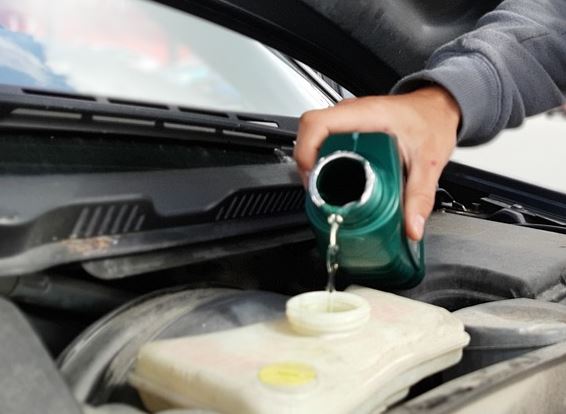
Oil changes are just one of the regular types of maintenance that car owners must manage. Most people don’t have the time, tools, or even the knowledge that allows them to successfully do an oil g themselves. You don’t have to do it yourself, you can take your vehicle to a Mesa, AZ auto repair center to have your oil changed by a professional. Here are a few reasons oil needs to be changed regularly.
Keeps Components Lubricated
The job of oil is to keep the engine lubricated. Engines have many moving parts inside and they need to be lubricated in order to work as they should. Without oil, the parts can hit each other or stop moving all together. This can cause the engine to stop working by allowing the parts inside to lock up. Keeping oil in the vehicle and keeping the oil changed can prevent severe engine problems.
Helps Keep Engine Cool
Oil helps keep an engine cool. When the components inside are not lubricated and are rubbing together, this can cause friction that produces heat. The heat can even cause the engine to stall from overheating. Oil helps reduce the friction and the heat so the engine doesn’t work as hard and stays cooler. It can help prevent too much stress on the engine and keep the car running in good condition.
Reduces Wear and Tear On Engine Components
The components inside a vehicle’s engine need to be lubricated so they can last longer. The oil covers the parts so they don’t grind against each other and can move more easily. Without the oil, they have to work harder and won’t last as long. Regular oil changes can prevent the components from wearing down as quickly.
Improves Gas Mileage
Most people are happy to improve their gas mileage any way possible and changing oil regularly can help with that. When the engine doesn’t have proper oil or the oil isn’t doing its job because it’s old, the parts have to work harder to make the vehicle move. This requires more gas. When the engine is working properly, it can use less gas. This can help save you money by making your car more efficient.
If you want to keep your car running well and want to avoid costly repairs, it’s a good idea to keep the oil changed regularly. You don’t have to worry about changing it yourself, you can take your vehicle to a Mesa, AZ auto repair center and have a professional mechanic check and change the oil. You can even plan your oil changes several months ahead of time to ensure that you never miss an oil change and your vehicle is always operating at its full potential. You can bring your vehicle to Network Automotive Service Center for all your repair needs. You can call us at (480) 407-6091. You can also visit our shop at 3007 E Main St, Mesa, AZ 85213. We are here to help you with all your auto repair needs as well as basic maintenance.