by Network Automotive | Mar 16, 2020 | Suspension, Wheels & Tires
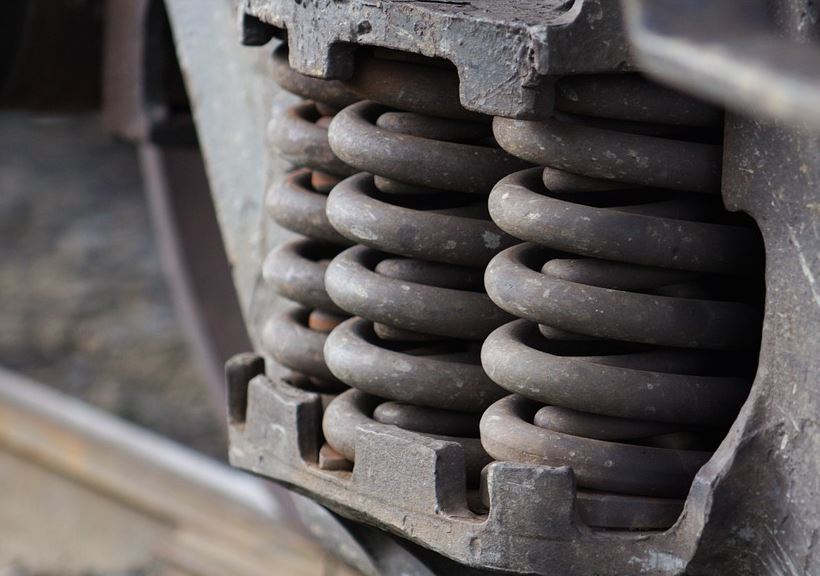
If your vehicle is not handling the road as it should or if it appears to have problems with the shocks, you may need to schedule an appointment for repair services with a Chandler, AZ auto repair center. Network Automotive Service Center is happy to help with all your repair needs. Whether you need to have your shocks checked, repaired, or replaced, you can get the help you need. Don’t drive your vehicle around when it isn’t working right or is making strange sounds. Get help from an experienced auto shop. Here are some signs your shocks may need to be serviced.
Uneven Tire Wear
If you notice that your tires seem to be wearing more on one side than it could be time to get new shocks. When your shocks are bad, they don’t support the car as they should. There can be more weight and pressure on one side of the car or on one wheel. This causes that tire to touch the road more and wears it down quicker. You may need to replace the shock and the tire to fix the issue.
Read also: Car Pulling To One Side? You May Need An Alignment From A Chandler, AZ Auto Repair Center
Swerving While Braking
If you hit the brakes and notice that the car seems to be swerving or pulling to one side, it could mean the shocks are bad. When the car pulls, it is trying to find the support of that shock. In some cases, only one shock may be back or in others, it could be more than one. Replacing the shock or fixing it can help save your brakes and prevent the swerving.
Vibrations While Driving
One of the more obvious signs of a bad shock is vibrations while driving. It can be hard to tell where the vibrations are coming from at times, but after a while, most people realize when it is from a problem with the shock. When a shock is bad, it can’t support the vehicle and can vibrate when there is weight put on it while driving. It’s best to get a vibrating shock fixed quickly to avoid more serious issues.
Squeaking Sounds
Bad shocks often make noises while the vehicle is moving. They can make a squeaky or grinding sound. The sound may be quiet at first and then get louder or appear more frequently as the shock gets worse. Eventually, the sound will turn into a clunking or metallic sound. This can be a sign that the shock just needs some grease, or it may be a sign that it needs to be repaired.
Read also: Call A Chandler, AZ Auto Repair Instead Of Ignoring These Common Problems
If your vehicle is showing signs that a shock or shocks are going bad, it’s a good idea to have it serviced as soon as possible. Bad shocks can make your car hard to stop and hard to steer. It can be dangerous to drive a vehicle with a bad shock. Let a Chandler, AZ auto repair center help you. Call Network Automotive Service Center at (480) 649-0839 to make an appointment to have your vehicle repaired. You can also stop by the shop at 104 E Main St, Mesa, AZ 85201 to schedule an appointment.

by Network Automotive | Mar 9, 2020 | A/C & Cooling System
Your radiator has one job: keep your engine from cooking itself. In Gilbert, that job is harder than almost anywhere in the country. When the air temperature is already 112 degrees, your cooling system has very little margin for error, and a radiator that is corroded, clogged, or leaking can take an engine from fine to overheated in a single afternoon errand. The good news is that radiators rarely fail without warning. If you know the signs, you can get ahead of the problem before it strands you or damages the engine. Here is what a Gilbert, AZ auto repair service center looks for, and what you can watch for yourself.
What Your Radiator Actually Does
Coolant circulates through the engine, absorbing heat, then flows through the radiator’s thin tubes and fins, where moving air pulls that heat away before the coolant cycles back through. Every part of that loop matters: the radiator core, the cap that maintains system pressure, the hoses that carry coolant, the thermostat that regulates flow, and the fans that move air at low speeds. A failure anywhere in the loop shows up as heat, and in Arizona, heat escalates fast.
The Warning Signs of a Failing Radiator
Radiators announce trouble in a handful of recognizable ways. Here are the four to watch for.
Warning Sign 1: The Temperature Gauge Creeps Up
The clearest early sign of radiator trouble is a temperature gauge that runs higher than it used to, especially in slow traffic or while idling with the AC on. At highway speed, airflow through the radiator is strong. Sitting at a light on Gilbert Road, your car depends on its cooling fans and a clean radiator core to shed heat. A partially clogged radiator often reveals itself exactly there: fine on the freeway, hot in the drive-through line.
Never ignore an overheating warning. Continuing to drive a hot engine risks head gasket failure and warped components, which turn a cooling system repair into major engine work. If the gauge climbs into the red, pull over safely, shut the engine off, and let it cool before doing anything else.
Warning Sign 2: Coolant Leaks Under the Car
Coolant is usually bright green, orange, or pink, and it has a distinct sweet smell. If you spot colorful fluid pooling under the front of your vehicle, or you find yourself topping off the reservoir more than once between services, the system is losing coolant somewhere. Common culprits include:
- Corrosion pinholes in the radiator core, common in older radiators
- Cracked plastic end tanks, which become brittle after years of heat cycling
- Failing hoses or hose clamps
- A worn radiator cap that no longer holds pressure
Because several of these look identical from above, a pressure test at a repair shop is the reliable way to find the actual source instead of guessing and replacing parts one at a time.
Warning Sign 3: Discolored, Sludgy, or Rusty Coolant
Healthy coolant is translucent and vivid in color. Coolant that looks brown, rusty, or oily, or that has floating debris, is telling you something is wrong inside the system. Rust means corrosion is eating metal components. An oily film can indicate a much more serious problem where engine oil or transmission fluid is mixing with coolant. Sludge also coats the inside of the radiator’s narrow tubes, insulating them and cutting cooling capacity exactly when a Gilbert summer demands the most from it. If you see contaminated coolant, have the system inspected promptly rather than simply topping it off.
Warning Sign 4: Crusty White or Green Residue and Bent Fins
Pop the hood occasionally and look at the radiator itself. Dried white, green, or blue crust on the core or around fittings marks the spot where coolant has been seeping and evaporating. Large areas of crushed or blocked fins, sometimes packed with the dust our monsoon storms throw around, reduce airflow through the core. A radiator can be physically intact and still underperform badly because its surface can no longer breathe. This is a quick visual check that catches problems early, and it costs you nothing but a minute in the driveway.
How to Check Your Cooling System Safely
A few habits let you monitor the system between services without risk. First, only ever open the cooling system when the engine is completely cold; a hot, pressurized system can spray scalding coolant. With the engine cold, check the level in the translucent overflow reservoir against its min and max marks rather than opening the radiator cap. Glance at the color while you are there. Second, watch your temperature gauge occasionally during normal driving so you know what its normal position looks like; changes from that baseline are your earliest warning. Third, if you need to add coolant more than once in a short period, stop topping off and get the system tested, because the coolant is going somewhere and the destination matters.
Repair or Replace? Let a Diagnosis Decide
Not every cooling system symptom means the radiator itself is done. Sometimes the fix is a thermostat, a cap, a fan issue, or a hose, and proper engine diagnostics will sort that out quickly. But when a radiator core is corroded internally or leaking from multiple points, replacement is usually the smarter long-term move than patching, particularly here, where the next heat wave will find any weak spot. A technician can test the system, evaluate the radiator’s condition, and give you a straight answer about which repair actually solves the problem. If your temperature gauge has been wandering or you have found coolant spots on the driveway, call (480) 444-0242 and describe the symptoms; it is much better to have it checked than to gamble on a July breakdown.
It is also worth remembering that the radiator protects more than the engine. Your air conditioning system’s condenser sits right in front of it, and an overheating engine often drags AC and cooling system performance down with it. Keeping the cooling system healthy keeps summer driving bearable.
Radiator problems only get more expensive with time, and Arizona summers do not forgive procrastination. If your vehicle is showing any of these signs, explore our services or call Network Automotive Service Center, family-owned since 1995, at (480) 444-0242 to schedule a cooling system inspection. Catching a failing radiator early protects your engine, your budget, and every summer drive ahead.

by Network Automotive | Mar 2, 2020 | Brakes
Brakes are the one system on your vehicle where “I’ll deal with it later” is never the right answer. Unlike a weak battery or a worn wiper blade, failing brakes put you, your passengers, and everyone around you at risk every time you drive. The good news is that brakes almost always give clear warnings before they become dangerous. If you know what to listen and feel for, you can get to a Mesa, AZ auto repair shop while the fix is still simple and affordable.
Sounds That Mean Your Brakes Need Attention
Your ears are the first line of defense when it comes to brake health. Pay attention to these noises:
- High-pitched squealing. Most brake pads include a small metal wear indicator that squeals against the rotor when the pad material gets thin. This sound is a built-in reminder, and it means it is time to schedule an inspection soon.
- Grinding. A harsh metal-on-metal grind usually means the pad material is gone entirely and the backing plate is contacting the rotor. At this stage, every stop is damaging the rotors and driving up your repair cost. Do not wait on a grinding noise.
- Clicking or rattling. Loose hardware, worn clips, or a pad shifting in its bracket can cause rattles when you apply or release the brakes.
One caution for Arizona drivers: a light squeak first thing in the morning is sometimes just surface dust or moisture burning off. If the noise disappears after a stop or two, it is usually harmless. If it persists or gets louder, get it checked.
What Your Brake Pedal Is Telling You
The pedal itself communicates just as much as the noises do. A soft or spongy pedal that sinks farther than usual before the brakes engage can indicate air in the brake lines, aging brake fluid, or a hydraulic problem. A pedal that pulses or vibrates under your foot, especially during highway braking, often points to rotors that have worn unevenly. And if you have to press harder than you used to for the same stopping power, the system is losing effectiveness somewhere.
None of these symptoms fix themselves. Hydraulic issues in particular deserve immediate attention because they can worsen suddenly rather than gradually.
Other Warning Signs Drivers Often Miss
Beyond sound and pedal feel, watch for these subtler clues:
- The vehicle pulls to one side when braking. This can mean a sticking caliper or uneven pad wear from side to side.
- Longer stopping distances. If you find yourself braking earlier for the same intersections, trust that instinct.
- A burning smell after braking. An overheated brake or a dragging caliper produces a sharp chemical odor. Pull over safely and let the brakes cool before continuing.
- The brake warning light. This can indicate low fluid, a system fault, or an engaged parking brake. Never ignore it.
Why East Valley Driving Is Hard on Brakes
Mesa traffic is a brake wear machine. Daily stop-and-go driving on the US 60 and the Loop 202, school pickup lines, and constant traffic signals mean your pads are working far more often than they would in rural driving. Add triple-digit summer heat and the picture gets tougher. Brake systems shed heat to the surrounding air, and when that air is 115 degrees, everything runs hotter. Heat accelerates pad wear, breaks down brake fluid faster, and increases the chance of warped rotors.
That is why brake components in the Phoenix metro area often need service sooner than the mileage estimates you see online, which are usually based on milder climates and lighter traffic. Regular inspections matter more here, not less. For more on how the system wears and what maintenance helps, browse our brake repair articles.
What a Professional Brake Inspection Covers
A thorough brake inspection goes well beyond a quick glance at the pads. A technician will measure pad thickness at all four corners, check rotors for wear, scoring, and thickness variation, inspect calipers for sticking or leaks, examine brake lines and hoses for cracks or seepage, and test the condition of the brake fluid itself. Brake fluid absorbs moisture over time, which lowers its boiling point and can corrode components from the inside.
The result is a complete picture of the system, so you can make informed decisions. Sometimes the answer is simply new pads. Sometimes rotors can be resurfaced rather than replaced. An honest inspection tells you what is actually needed and what can safely wait. If you are not sure whether your symptoms warrant a visit, call us at (480) 444-0242 and describe what you are hearing and feeling. We are happy to help you figure out the next step.
How Long Do Brake Pads Last?
There is no single mileage answer, because pad life depends on the vehicle, the pad material, and above all the driving. A car that spends its life on the open highway may see its pads last several times longer than the same car driven exclusively in city traffic. In the East Valley, where signals, school zones, and freeway congestion dominate daily driving, plan on the shorter end of any range you read online.
Driving habits move the needle more than anything else. Smooth, early, gradual braking extends pad life dramatically, while late hard stops and riding the brake pedal in traffic eat pads quickly. Towing, carrying heavy loads, and frequent trips through hilly terrain all shorten pad life as well. The most reliable approach is not guessing from mileage at all. It is having pad thickness measured during routine services, such as oil changes and tire rotations, so you always know how much material is left and can plan the replacement on your schedule instead of the brake system’s schedule.
Do Not Gamble on Your Brakes
Every other repair on your car is about convenience and cost. Brakes are about safety. If your vehicle is showing any of the signs above, have it inspected promptly rather than hoping the symptom goes away. Caught early, brake service is routine and reasonably priced. Caught late, it gets expensive, and in the worst case it can mean not stopping in time.
Network Automotive Service Center is family-owned and has been serving East Valley drivers since 1995. Take a look at our services, then call (480) 444-0242 to schedule your brake inspection. We will get you back on the road with confidence in every stop.

by Network Automotive | Feb 24, 2020 | Car Care & Driving Tips
There are a lot of small things that can go wrong with your car before anything serious goes wrong. That doesn’t mean you can ignore the small issues and wait for something more severe to happy. Taking care of small problems as soon as they occur can help prevent more serious issues and help you avoid costly repairs. If you are experiencing any of these issues, don’t ignore them. Instead, bring your car to a Chandler, AZ auto repair company. Network Automotive Service Center can help you with all your repair needs.
Car Won’t Start
If your car won’t stop or if it takes you a few times trying to start it to get it running, you may need automotive repairs. While you may be relieved when it finally starts, the fact that it takes several tries is a sign that something is wrong. If you don’t deal with the problem now it will only get worse and eventually, it may not start at all. This can leave you stranded and unable to get where you need to go. An auto repair shot can identify the problem and fix it so your car starts the first time every time.
Consistently Low Fluids
If you check your fluids often and they are always low, there may be a problem. Your vehicle uses different fluids for different things, but it should not use a lot over a short period of time. Your fluid could be leaking out due to a crack, or a busted line. This can be dangerous and also cause issues with your engine. Let an experienced auto repair shop inspect the fluids and reservoirs to ensure there are no crack or leaks and make any repairs if necessary.
Battery Goes Dead
Sometimes your battery can go dead if you leave something on in the car, or even leave your door open. These are obvious causes and aren’t a reason for concern. If your battery seems to go dead often and you don’t know the reason, it could mean that there is something else wrong. Your battery may be bad, or you may need a new alternator. It takes a professional mechanic to identify the actual problem and repair it. Once repaired your battery should work well again and you shouldn’t have any issues starting your car or worrying about it stalling on you.
If you are experiencing any of these issues or other small problems with your car, you may be in need of service. You can bring your car to a Chandler, AZ auto repair company to have the issue diagnosed and get the repairs you need. You can make a service appointment by calling Network Automotive Service Center at (480) 407-6091. You can also stop by our auto repair facility near you at 1021 N. Gilbert Rd. #108 Gilbert, AZ 85234. We know that little problems lead to big ones and we want to help you keep your car in good working condition so you can avoid costly repairs. Just give us a call today to learn more about our services.

by Network Automotive | Feb 17, 2020 | Car Care & Driving Tips
Owning a vehicle means you have to do whatever is necessary to keep it running properly. Vehicles are expensive and without proper maintenance and repairs, they won’t last long enough to make them worth their cost. Knowing when to have your vehicle serviced is sometimes tricky. If you decide you need to have it inspected or no it is in need of repairs, be sure to take it to a Mesa, AZ auto repair shop. At Network Automotive Service Center we want you to be aware of these problems that could be a sign that your car needs to be serviced.
Warning Lights
A lot of people make the mistake of ignoring warning lights on their vehicles. They assume they will go away or because they don’t actually notice any problems, they think the lights must just be popping up for no reason. Don’t ignore warning lights on your dash. They are meant to alert you of a problem before it becomes severe enough for you to notice it. Take your vehicle to a shop as soon as you notice a warning light to determine the cause of the problem and get the proper repairs. Ignoring the lights will not make them go away and will only make the problem worse over time.
Hesitation
If your vehicle tends to have trouble starting or hesitate when you start it, you may have a problem on your hands. Your vehicle should start easily each time. If it’s stalling or doesn’t seem to be running as well as it should, you should take it to get serviced. You never know when the vehicle could just fail to start at all one day or stop running while you are driving and leave you stranded in the middle of nowhere. To avoid such a scenario, have your vehicle serviced regularly.
Wet Spots Under Parked Car
When you drive away or return home, do you notice there are wet spots on the road or in your driveway? This could be a sign that your vehicle is leaking fluids. Your vehicle needs these fluids to work properly and if they are leaking out, it’s a sign that there is something wrong. It also means your vehicle doesn’t have the right amount of fluids and could be at risk for mechanical issues.
If your car has any of these problems or if you are worried that it may be in need of other types of repairs, be sure to bring it to a Mesa, AZ auto repair shop. At Network Automotive Service Center we are happy to check out your car and find the reason for any problems you may be experiencing. We will make the repairs in a timely manner and have you back on the road as quickly as possible. If you are ready to make an appointment for repairs, call us at (480) 407-6091. You can also stop by our shop at 3007 E Main St, Mesa, AZ 85213 or at our other location in 104 E. Main Street Mesa, AZ to learn more about the services we offer.

by Network Automotive | Feb 10, 2020 | Car Care & Driving Tips
If you have a vehicle that you use every day for your daily commute to work or school, it likely gets a lot of wear and tear. Your vehicle is designed to last and get you where you need to be each day. You need it to be dependable but without proper maintenance, it may not be able to do that. When you are driving your car every day, anything can go wrong. Taking your vehicle to a Gilbert, AZ auto repair shop can help prevent small problems from becoming worse and ensure that your car is drivable each day.
Tires and Brakes
When you are driving on the highway each day or even on city roads, you have to use your brakes a lot. Your tires also get a lot of wear and tear. You could run over something and get a flat or just wear down your tires to the point that they have no treat left. If you are thinking to check on these things often you may not know there is a problem until it’s too late. Don’t wait until you are stranded, let an auto repair shop keep your tires and brakes in good condition.
Fluids
Your vehicle needs fluids to run properly and if they are leaking, it may be a sign that you have a problem. It can also lead to other problems. Fluid reservoirs and even radiators can become cracked when a car is driven often and it that happens the fluids can leak out. Your vehicle needs these fluids and without them, serious mechanical issues can arise. Once the reservoirs are replaced or sealed, the vehicle will hold fluids and operate better.
Battery and Electrical Components
Most people have experienced a dead car battery either from leaving something on such as the radio or headlights or due to a mechanical issue. A dead battery can prevent you from getting to and from work each day. If your battery is not working as it should or if there are issues going on with the electrical components of your vehicle, you may need to have it serviced. Sometimes it’s as simple as replacing your battery and other times the problems with the battery are just the result of another issue.
If your daily commute vehicle is acting up, seems to be running poorly, or won’t start, you need the help of a Gilbert, AZ auto repair shop. Sometimes simple maintenance can go a long way and it can improve the life of your vehicle. You depend on your vehicle for a lot of things, so it’s important to ensure that it is running well at all times. If your car needs maintenance or repairs, stop by Network Automotive Service Center. We are located at 1021 N Gilbert Rd #108 Gilbert, AZ 85234. You can also call us at (480) 539-8277 to make an appointment for service. We are here to help keep your car on the road and make your commute easier.

by Network Automotive | Feb 3, 2020 | Car Care & Driving Tips
You have the hotel booked, the bags half packed, and a route mapped out. The one thing many drivers forget to plan for is the car itself. A long road trip puts more stress on your vehicle in a few days than most commutes do in a month, and a small problem that barely shows up around town can turn into a breakdown two hundred miles from home. Scheduling an inspection at a trusted Chandler area auto repair shop before you leave is one of the cheapest forms of vacation insurance there is. Here is what a good pre-trip inspection covers and why each piece matters.
Fluids Are the First Thing to Check
Your engine, transmission, brakes, power steering, and cooling system all depend on fluids that break down or run low over time. On a long highway drive, low or dirty fluid is one of the fastest ways to end up on the shoulder with the hood up.
A pre-trip inspection should include a look at:
- Engine oil, both the level and the condition. If you are close to your next change, do it before the trip rather than after.
- Coolant, which matters more in Arizona than almost anywhere else. Summer highway driving through the desert pushes cooling systems to their limit.
- Transmission fluid, since long climbs and sustained highway speeds generate heat in the transmission.
- Brake fluid and power steering fluid, where a low level often points to a leak that needs attention.
- Windshield washer fluid, which sounds minor until a dust storm or a swarm of bugs coats your glass.
Regular fluid service is the backbone of vehicle reliability. If you tend to put this off, our oil change and maintenance articles cover how to build a schedule that fits the way you actually drive.
Tires Take the Brunt of a Road Trip
Nothing on your car works harder during a road trip than the tires. Hot pavement, heavy loads, and hours of sustained speed are exactly the conditions that expose a weak or worn tire. Arizona heat makes this worse, because high pavement temperatures raise tire pressure and accelerate the breakdown of rubber that is already aging.
Before a long drive, a technician should check tread depth, look for uneven wear patterns, inspect the sidewalls for cracking or bulges, and set all four tires (plus the spare) to the correct pressure. Uneven wear is worth paying attention to even if the tread is still legal, because it usually means an alignment or suspension issue that will get worse with every highway mile.
If your car pulls to one side or the steering wheel sits crooked when you drive straight, have that looked at before you leave. An alignment problem that is mildly annoying around town becomes genuinely tiring over a six hour drive, and it eats your tires the whole way.
Brakes and Suspension Deserve a Close Look
Long descents, unfamiliar roads, and heavier than normal loads all demand more from your brakes than everyday driving. A pre-trip inspection should measure pad thickness, check the rotors, and look for any signs of leaking brake fluid. If you have noticed squealing, grinding, a soft pedal, or a vibration when you slow down, get it diagnosed before the trip rather than hoping it holds.
Suspension components matter too. Worn shocks and struts hurt your control in emergency maneuvers and make the car wander at highway speed. If the ride has been getting bouncier or the nose dives hard when you brake, mention it when you drop the car off so the technician knows to look closely.
Arizona Heat Is Hard on Batteries and A/C
Drivers in cold climates worry about batteries in winter. Here in the Valley, heat is the real battery killer. High temperatures speed up the chemical reactions inside a battery and evaporate the fluid, which shortens its life significantly. A battery that cranks fine in your driveway can fail suddenly on a trip, and there are few worse places to find out than a gas station in the middle of the desert.
A quick electrical test tells you whether the battery and charging system are healthy or living on borrowed time. The same goes for your air conditioning. If the A/C has been blowing a little warmer than it used to, have it checked before you commit to hours in the car, especially with kids or pets aboard. Summer travel in Arizona without working A/C is not an inconvenience, it is a safety issue.
If you would like both checked before your trip, call Network Automotive Service Center at (480) 444-0242 and let us know when you are leaving so the work is done with time to spare.
When to Schedule Your Inspection
The most common mistake is waiting until the day before departure. If the inspection turns up something meaningful, a worn belt, a marginal battery, brake pads at the end of their life, you want enough time to have it fixed without rearranging your travel plans.
A good rule of thumb is to schedule the inspection one to two weeks before you leave. That leaves room to order parts if needed and gives you a few days of normal driving afterward to confirm everything feels right. It also means you are not competing with every other family trying to get their car looked at the same holiday week.
Bring a short list with you: any new noises, warning lights, smells, or changes in how the car drives. Those details help the technician focus on what matters instead of guessing.
Head Out With Confidence
A vacation should start when you pull out of the driveway, not after a tow truck ride. Network Automotive Service Center has been family-owned since 1995, and we have prepped thousands of East Valley vehicles for summer trips, holiday drives, and everything in between. Take a look at our services, then call (480) 444-0242 to schedule your pre-trip inspection. We will make sure the only surprises on your vacation are the good kind.

by Network Automotive | Jan 27, 2020 | Oil Change & Maintenance
Vehicles rely on fluids to run properly. These fluids help lubricate moving parts of the engine, preventing metal parts from grinding together and keeping the engine from overheating. You should check these fluids regularly to ensure they are at the proper levels. Low fluids may not be doing enough to protect your engine and could lead to serious problems. If you need help checking or changing your fluids, bring your car to a Gilbert, AZ auto repair shop. At Network Automotive Service Center, we are happy to help you check and change any types of fluids, including the following.
Transmission Fluid
Transmission fluid helps protect your transmission. It prevents it from slipping and helps you shift through gears more easily. If your transmission fluid is low you may notice that your car doesn’t want to ship properly. If the fluid is not filled it could cause severe problems with your transmission.
Oil
Oil helps keep all the parts in your engine lubricated so they can work without any problems. If there is no oil in your car or if the oil levels get too low, the engine may overheat, parts may grind together. You should never operate your vehicle without oil in it. If your vehicle is leaking oil or seems to be using it, you may have a problem. An auto repair specialist can help identify the problem and correct it.
Coolant
Coolant is one of the more important fluids in your vehicle. It helps keep your engine from overheating and flows through the motor to cool it. If you have a cracked radiator or if your car uses a lot of coolant, you may need to check this fluid often. You can check and replace it yourself or you can have an auto repair shop do it to make sure there are no leaks or other problems that may be causing you to lose fluid faster than normal.
Brake Fluid
Brake fluid is important because it helps lubricate your brakes so they can work properly. If your vehicle is low on brake fluid, your brakes may stick or not work properly. This can be extremely dangerous and even cause an accident. Many people don’t think to check their brake fluid and assume they need to replace their brakes when they are really just low on fluid.
If you need help adding fluids to your vehicle or if you need to have your car checked to see if the fluids are at the proper levels, you can bring your car to Network Automotive Service Center. We are a Gilbert, AZ auto repair shop that can help with all your automotive repair needs We are here to help keep your car on the road. You can call us at (480) 539-8277 to set up a service appointment. You can also stop by our shop to learn more about our services or schedule your appointment. We are located at 1021 N Gilbert Rd #108, Gilbert, AZ 85234.

by Network Automotive | Jan 20, 2020 | Car Care & Driving Tips
If your vehicle is in need of repairs, you may be worried about the cost, time you will be without your vehicle, and how well the repairs will be done. It’s normal to have a lot of questions about your vehicle’s repairs, especially if you don’t have a lot of knowledge of auto work. If you are looking for the right Mesa, AZ auto repair shop, be sure to stop by Network Automotive Service Center. Here are some tips to help you choose the right auto repair center near you.
Experience
Experience matters for any industry and it’s very important for car repair shops. You want to take your car to someone who has experience with all types of repairs and can easily complete the ones you need. If a mechanic is familiar with the type of repairs you need, he or she is more likely to perform them well and get the job done faster.
Services
You may be in need of specific types of repair services. If this is the case, you will need to check with the shop to make sure they offer those services. While many shops like our specialize in various types of repairs or just general repairs, some only offer a few different types of services such as tire changes, battery services, and brake services. Be sure to ask for the services you need to be sure the shop offers them.
Cost
Most people worry about the cost of repairs and shop around for the best value. Keep in mind that the lowest price and best value are not the same things. You don’t just want the cheapest automotive repair services, you want the best for your money. Compare prices and keep cost in mind, but don’t let it be the deciding factor for choosing the repair company.
Customer Reviews
If you want to know if an auto shop is offering good deals and services, just look at what other customers have to say. Check websites and social media pages to read customer reviews or testimonials. If you know someone who has had a shop work on their vehicle, ask them about their experience. They will likely be happy to share the information and answer any questions you might have.
If your vehicle is in need of repairs and you are trying to find the right Mesa, AZ auto repair shop, consider Network Automotive Service Center. We offer a variety of automotive repairs and are happy to help you with anything you need. Whether it’s regular maintenance, repairs after an accident, or just helping you ensure your vehicle is safe for the road, we do it all. You can call us to make an appointment at (480) 649-0839. You can also stop by 104 E Main St, Mesa, AZ 85201. We know that choosing the right automotive repair center isn’t always easy but we hope we can help make your decision more easily. Call us for all your repair needs.
by Network Automotive | Jan 13, 2020 | Oil Change & Maintenance
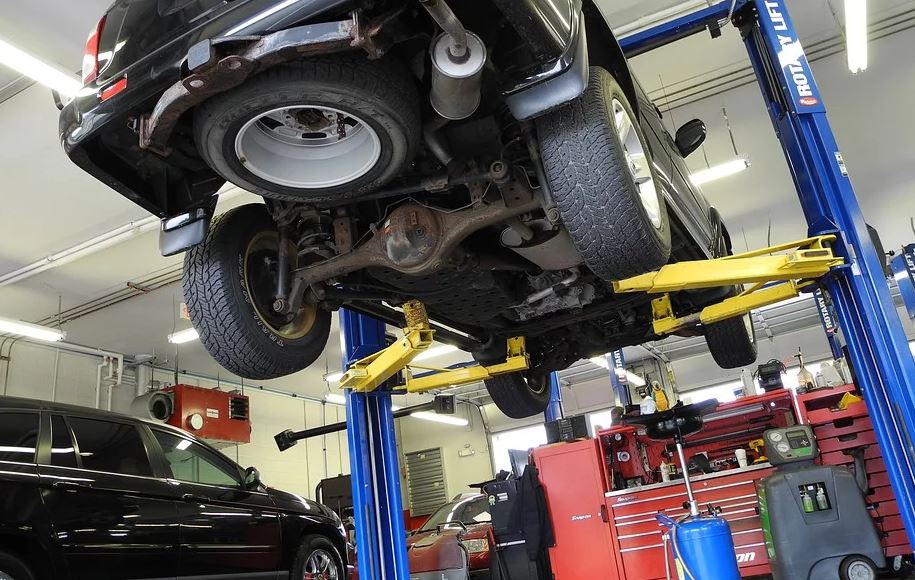
Most drivers do not think about maintenance until something goes wrong. The car starts hesitating at a stoplight on Arizona Avenue, the AC blows warm in July, or a dashboard light comes on during the morning commute. By the time a problem announces itself, it is usually more expensive to fix than it would have been to prevent. That is the whole argument for regular vehicle maintenance, and it is especially true in Chandler, where extreme summer heat pushes every system in your car harder than the owner’s manual ever anticipated. Here is a practical look at what regular maintenance actually buys you, and why a trusted Chandler, AZ auto repair company is worth keeping on speed dial.
Small Problems Stay Small
Almost every major repair starts as a minor one. A slow coolant seep becomes a warped cylinder head. A slightly worn brake pad becomes a scored rotor. A dirty air filter becomes poor fuel economy and, eventually, sensor trouble. Regular maintenance visits exist to catch these issues while they are still cheap and simple.
During a routine service, a technician is not just draining oil. They are looking at belts for cracking, hoses for swelling, tires for uneven wear, and fluids for discoloration. Each of those observations is an early warning. When you skip visits, you lose that warning system, and the first sign of trouble becomes a breakdown instead of a note on an inspection sheet.
Arizona Heat Makes Maintenance Non-Negotiable
Chandler summers are brutal on vehicles. Sustained triple-digit temperatures accelerate wear in ways drivers in milder climates never deal with:
- Batteries: Heat, not cold, is the number one battery killer. High under-hood temperatures evaporate electrolyte and corrode internal components, which is why batteries in the Valley often fail sooner than their rated lifespan.
- Fluids: Engine oil, transmission fluid, and coolant all break down faster when they run hot. Oil that might be fine for another thousand miles in a cooler state can be oxidized and thin here.
- Tires: Hot pavement raises tire pressure and accelerates dry rot. Underinflated tires on 150-degree asphalt are a blowout risk.
- Rubber and plastic: Belts, hoses, bushings, and weatherstripping all age faster in extreme heat.
A maintenance schedule that accounts for our climate, with regular checks in the oil change and maintenance category of service, keeps heat-related wear from sneaking up on you.
You Spend Less Over the Life of the Car
Maintenance feels like an expense, but it is really insurance with a strong track record. Compare the routine cost of an oil change or a coolant flush to the repair it prevents, such as a seized engine or an overheated transmission, and the math is not close. Well-maintained engines also run more efficiently, which means you burn less fuel in stop-and-go traffic on the 101 and 202.
There is a resale benefit too. A vehicle with documented, consistent service history is easier to sell and commands more interest than an identical car with a mystery past. Buyers and dealers both read service records as a sign the car was cared for everywhere else as well.
Safety Is the Benefit You Hope Never to Notice
Brakes, tires, steering, and suspension are the systems standing between a normal drive and a bad day. All of them wear gradually, which makes the decline easy to miss. You adapt to a longer brake pedal or a slight pull to one side without realizing it.
Regular inspections put objective eyes on those systems. A technician measuring pad thickness or checking tread depth does not adapt to gradual wear the way a daily driver does. If you have family in the car every day, that second set of eyes matters. If you have questions between visits, you can always call a shop you trust at (480) 444-0242 and describe what you are noticing before deciding whether it can wait.
What a Sensible Maintenance Routine Looks Like
You do not need to memorize a chart. A reasonable rhythm for East Valley driving looks like this:
- Follow your manufacturer’s oil change interval, and lean toward the severe-service schedule, because desert heat and short commutes count as severe service.
- Have tires rotated and pressures checked regularly, especially heading into summer.
- Ask for a battery test every service visit once the battery is a few years old.
- Keep up with coolant, brake fluid, and transmission fluid at the intervals your owner’s manual specifies.
- Get the AC checked in spring, before the first 110-degree week exposes a weak system.
- Address small symptoms, such as new noises, smells, or leaks, promptly instead of waiting for them to grow.
Do Not Forget Monsoon Season
Summer heat gets the headlines, but monsoon season adds its own maintenance items. Dust storms load up engine air filters and cabin filters, sudden downpours expose worn wiper blades and marginal tires, and humidity swings reveal weak batteries. A quick pre-monsoon check of filters, blades, tires, and battery condition is a small addition to your maintenance routine that prevents most of the season’s common failures. It is also a good moment to make sure your AC drain is clear and your defroster works, since the first humid storm of the season is a bad time to find out it does not.
Why Work With a Local Chandler Area Shop
A shop that services East Valley vehicles every day knows what our climate does to cars because they see it constantly. They know which failures show up every June, what monsoon dust does to air filters and cabin filters, and how commuting patterns around Chandler wear on brakes and transmissions. That local pattern recognition leads to better recommendations than a generic national checklist.
Consistency helps as well. When the same shop sees your vehicle over time, they can track wear from visit to visit and tell you what is likely to need attention next, which turns surprise repairs into planned ones. Network Automotive Service Center has been family-owned since 1995, and that continuity is exactly what makes long-term maintenance relationships work. You can read more about the shop on our about page.
Regular maintenance is the cheapest, least dramatic way to keep your car reliable, safe, and valuable in a climate that punishes neglect. If your vehicle is due for service, or if it has been long enough that you are not sure, explore our services or call Network Automotive Service Center at (480) 444-0242 to schedule a visit. A little routine attention now saves a lot of repair later.