
by | Aug 15, 2022 | Engine & Diagnostics
If you hear a tapping sound while driving your car, you may be worried about the cause of it and wondering what you can do to fix it. There are many things that can cause these issues so it’s a good idea to have the car checked out by a Mesa, AZ auto repair shop. If you need help deciding what could be wrong with your car, be sure to keep some of these possible causes in mind. Regardless of the cause, you should get it checked as soon as possible.
Worn Belt
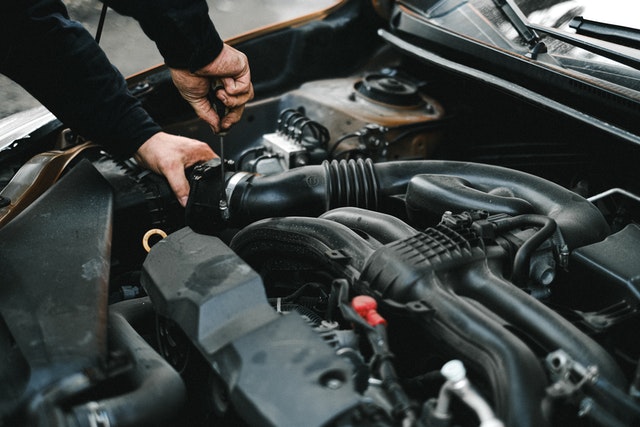
You can also hear tapping or knocking sounds when your accessory belt is faulty. Since the belt, which connects to various pulleys throughout the engine bay, turns as it runs, it’s possible for this to happen. An exact amount of tension must be applied to the belt for it to turn properly and quietly. The tensioner will not work properly if the belt is broken or stretched out, causing slapping, knocking, or tapping sounds. Pulleys that are bent out of shape can also cause this problem.
Manifold Leak
It can be caused by an exhaust manifold leak if you hear a ticking or tapping noise when accelerating or at idle. A gasket leak or a rupture in the manifold can lead to high-pressure leakage of exhaust gasses. As long as you do not consider this a serious problem if you are driving, you can continue driving. Your engine will be damaged if you do not have this problem fixed immediately, since excessive exhaust gas leaks cause damage.
Bad Spark Plugs
An engine tapping might be caused by cracked or loose spark plugs. Because spark plugs need to be properly threaded into the internal combustion engine’s cylinder heads, this can occur. For some reason, if the spark plug is not fully seated to the head, maybe due to improper installation or cracks that make the plug unable to fully tighten, it can result in a bypass of combustion and exhaust gasses, which can cause a tapping noise.
Bad Bearings
Symptoms and causes of engine tapping can also include a rod knock. It is caused by worn or damaged bearings and you will hear a deep tapping sound from the engine. Rod bearings that are worn, loose, or damaged can cause tapping noises, which indicates that they are about to fail completely. If your engine experiences either seizing or locking up, it may try to seize and break a rod. These two conditions can severely damage an engine, requiring an engine replacement.
If you are experiencing any of these issues, it could mean there is a serious problem with your vehicle. You don’t want to drive your car if there are problems, so you should have it serviced by a Mesa, AZ auto repair shop. You can make an appointment with us to have your car inspected to find out the cause of the tapping sounds and to make sure they are repaired correctly so you can feel safe on the road.
by | Aug 8, 2022 | A/C & Cooling System
If your water pump goes bad in your car, you may experience a variety of different issues. You will need to have it serviced as soon as possible to avoid other issues and to be able to drive your car safely and properly. If you are looking for some signs that your water pump may be the problem, be sure to watch for some of these signs and symptoms that may help you decide what type of problems you have and need services by a Chandler, AZ auto repair shop.
Low Coolant Warning Light
A warning light may appear on the dashboard if your car’s water pump fails. Check engine light, low coolant warning, and overheating warning are just a few examples. If your vehicle has a temperature gauge, it will also climb.
No Heat
Heater systems require hot engine coolant to function properly. Thus, a malfunctioning cooling system, such as a faulty water pump, can render an inoperable heater. Your heater may not blow hot air or it may not turn on at all. Sometimes the air will work and the heat won’t and sometimes neither one will work.
Overheating
It is possible for a water pump to develop leaks, which will cause the coolant level to fall and the engine to overheat. Water pumps that fail internally can also impede coolant circulation, which overheats the engine. The result is the same either way. Water pumps are frequently prone to leaks. It is possible that the leak originates from the water pump itself or its gasket. In such a situation, the engine may overheat and if not repaired or replaced quickly, additional damage could ensue, such as cracked cylinder heads, pushed head gaskets, or burnt pistons. The water pump is more likely to be at fault if the engine temperature gauge runs hot frequently. This issue should be checked by a mechanic and if necessary, the water pump should be replaced.
Leaking Coolant
This causes coolant to leak from the water pump and fall to the ground, usually near the front of your car or right where the motor is located. It is important to have your car, truck, or SUV inspected if you notice a leak of coolant that appears green or sometimes red in color under the center of the vehicle. The most common cause of these leaks is a water pump leak, which can be fixed before it gets worse.
If you are experiencing problems with your car’s water pump or if your car is showing any of these signs and you need to know if there is a serious problem, be sure to think about taking it to a Chandler, AZ auto repair shop. We are happy to help with all your car repair needs. Contact us today to make an appointment to have your car serviced and to get to the bottom of your car’s water pump problems or any other things that may be wrong with it. We are here to help with all your car repair needs.
by | Aug 1, 2022 | Exhaust & Emissions
If you have a car that is experiencing muffler problems you may be frustrated and wondering what you can do to fix it. If you need to have the muffler repaired, you can take your car to a Mesa, AZ auto repair shop. Mufflers are an important part of a vehicle and making sure yours is working properly is important. Here are some things to keep in mind when it comes to your muffler.
What Are Mufflers For?
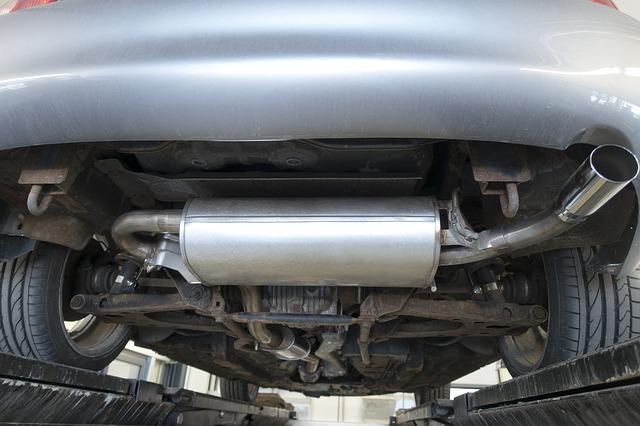
In the name is everything. Vehicles’ engines produce a lot of noise, which is muffled by their exhaust systems. Since engines need to produce a tremendous amount of power, they produce numerous pulsating sounds that echo through the exhaust valves. These pulses are made thousands of times a minute. Unless your vehicle’s muffler is working properly, it will be incredibly noisy. A lot of noise can indicate that your muffler needs to be replaced.
How Do Mufflers Stop Sound?
Opening a muffler would reveal tubes, baffles, and chambers. They reflect the sound waves produced by the engine. In an ideal world, the waves cancel each other out because they are reflected. Each muffler produces a unique sound. Some have been designed to be silent, but others are made to make sounds similar to growling.
What Causes Them To Go Bad?
A muffler can go bad for many reasons. Mufflers naturally degrade over time because they are exposed to moisture and heat. Rust occurs inside mufflers when they are exposed to moisture, which affects the quality of the product. In addition, your muffler can suffer damage if it is knocked against by something. You should inspect your exhaust system if your car becomes noisier, emits an unpleasant smell, or has a drastic decrease in fuel economy.
What Happens When They Go Bad?
The purpose of a muffler is primarily to reduce noise, but it can also affect the overall performance of your car. In order for an engine to generate more power, it needs to be able to exhaust its exhaust gases as quickly as possible. It is without a doubt true that mufflers slow down your engine by restricting the exhaust flow. However, it is required by law that your vehicle has a muffler, so some high-octane drivers will have to live with having such a vehicle. You can choose from many different muffler designs, though, so you shouldn’t have difficulty finding one that suits your lifestyle.
The performance of your vehicle and the environment is adversely affected when your muffler malfunctions. Your car will not only sound louder, but it will also release more emissions. That means fewer fumes. Our Mesa, AZ auto repair shop can inspect and repair your vehicle shop. Just call us today to make an appointment to have your muffler serviced or your car repaired. We are happy to help with all your auto repair needs. Just give us a call to get your car in to be serviced as soon as possible.

by | Jul 25, 2022 | A/C & Cooling System
It’s never good to find out that your car is getting too hot or overheating, so you should always check that the most common causes of overheating are a problem for your car. If you do find out that your car is overheating, take it to a Chandler, AZ auto repair shop for repairs. Here are some of the most common things that can make your car overheat and cause problems for you. If any of these are a problem for you, get your repairs done immediately.
Bad Battery
You may not even consider the fact that your battery could be going bad and causing your car to overheat. A defective battery causes your car to overheat while driving. It is essential to replace your battery after 3 years if it is older than that. To be sure that the battery is reliable for the car, let the mechanic check its condition.
Cracked Radiator
Cars require a radiator to regulate their temperature. It is important to add water and coolant to the radiator when driving to prevent overheating. Avoid underfilling or overfilling the radiator. Overheating might cause leftover water/coolant to spill, so be careful while loosening the cap.
Revving The Engine
Before driving, gently rev your engine. By allowing seamless oil movement throughout the engine, it helps to vibrate some components in the car more effectively. Driving an already heated car isn’t the best solution to stopping a car from overheating. If your engine is already hot, don’t rev it. This can cause the car to overheat quickly and can permanently damage your engine.
Air Conditioner
What are the chances of an air conditioner overheating a car? Either the air conditioning compressor failed, which increased engine load, or the compressor locked up on the fan belt, which made it difficult for the fan belt to disperse heat from the engine coolant. Therefore, you should turn off the air conditioning when the weather is favorable. As a result, the pressure on the engine will be reduced and the car will cool.
Low Coolant
Overheating a car is caused by low coolant levels? Having a low level of coolant causes overheating. While the coolant steams, the heat that was supposed to be removed from the engine becomes trapped. You should add plenty of coolant to your radiator to ensure it doesn’t crack or cause your car to overheat. If you don’t keep enough coolant in your car it may cause serious problems with your engine and prevent your car from running properly.
If you are worried that your car may be overheating or there may be something that is making your engine run hot, you will need to find out the cause of the problem so you can have it repaired before it causes serious engine damage. A Chandler, AZ auto repair shop will be able to inspect your vehicle and tell you if there are any issues. Give us a call today to get help ensuring your car runs as it should. Tell you if there are any problems, and make the necessary repairs. If you need help with your car, call today to learn more about our services.
by | Jul 18, 2022 | A/C & Cooling System
There are a lot of things that can happen to your car and radiator problems are daily common. If you notice any of these issues, you may need to have your car serviced by a Mesa, AZ auto repair shop. Your radiator helps prevent your engine from overheating and malfunctioning and if something goes wrong, you may not be able to be driven properly. Here are some of the most common radiator problems and reasons why they may need to be repaired.
Blockages
The radiator is made of metal, as are its fins. Usually, this metal is mild steel and is painted thinly. As a result, rust is easy to build up. Initially, corrosion will be devastating to the fins of the radiators. The fins are responsible for increasing the surface area of the veins within the radiator, where coolant flows. When the fins are absent, the coolant will have a much harder time cooling down. If the corrosion gets deeper, it can hit the veins and cause leaks, and given the pressure involved, these leaks will spread quickly.
Freezes
There is more to coolant than water. Ideally, coolants should be replaced on a seasonal basis. During the winter, winter coolant will have a lower freezing point, making it more likely to freeze. For warmer weather, summer coolant will provide warmth to the upper regions of the engine. Simply using water will not only corrode the engine block but also freeze it. Since water freezes and expands, it will corrode the engine block. Instead, they buckle and break, becoming completely ineffective.
Busts
This sounds scary, but it is actually very common. Modern-day plastic-capped radiators can be blown off by the pressure built up in a cooling system. The result is an eye-catching display of coolant flying everywhere. There are a number of reasons why this might happen. It’s possible there’s too much coolant in the system, or there could be a problem somewhere down the track. These problems are rare, but they do occur.
Holes
The radiator is located up the front of the car. Therefore, it is directly exposed to road debris. However, we are not talking about big problems here. A stone can puncture a radiator at 70 mph if it hits it with enough force. This could mean disaster and expensive repairs for your car. If the radiator is damaged, you will lose coolant, which will cause the engine to overheat quickly. If it runs hot for too long the engine could suffer.
If you think your radiator may be having issues or if you just want to know about things that could happen to it, keep the above points in mind. If your radiator is experiencing one of these problems, you should take your car to a Mesa, AZ auto repair shop. We can inspect your radiator, tell you if there are any problems, and make the necessary repairs. If you need help with your car, call today to learn more about our services.

by | Jul 11, 2022 | Diesel Repair
Diesel owners tend to watch fuel economy closely, and for good reason: many people choose a diesel precisely because it can deliver strong mileage while doing real work. So when the numbers at the pump start slipping, it is worth taking seriously. The encouraging news is that diesel fuel economy responds strongly to maintenance and driving habits. A diesel that is cared for and driven thoughtfully will consistently beat a neglected twin, and the gap is bigger than most owners expect. Here is how to get better gas mileage with a diesel, from practical driving changes to the maintenance items that quietly drain efficiency when they are ignored.

Keep the Air and Fuel Systems Clean
Diesels breathe enormous volumes of air, and everything about their efficiency starts with clean airflow and clean fuel:
- Air filter: A clogged air filter chokes the engine and hurts efficiency. In Arizona, monsoon dust loads filters far faster than national service intervals assume, so check yours more often, especially after dust storm season.
- Fuel filters: Diesel fuel systems rely on clean fuel at very high pressures. Restricted fuel filters make injection systems work harder and can degrade the spray patterns that efficient combustion depends on. Follow the replacement schedule faithfully.
- Injectors: Worn or dirty injectors deliver fuel in patterns the engine cannot burn cleanly, which shows up as falling economy, smoke, or rough running. Injector health is one of the biggest hidden variables in diesel mileage.
If your mileage has dropped and the engine feels different, has new smoke, or idles rough, that is a diagnostics conversation, not just a filter swap. Our diesel repair archive covers more on how these systems behave as they age.
Stay Relentless About Oil and Fluids
Fresh oil of the correct specification reduces internal friction, and friction is fuel economy’s quiet enemy. Use the exact specification your engine calls for rather than whatever is on the shelf, since modern diesels are engineered around specific oil formulations. Diesels are hard on oil, and extended intervals in extreme heat are harder still; East Valley summers push oil temperatures up and shorten its effective life. Keeping up with oil changes and maintenance on the severe-service schedule pays for itself partly at the pump.
The same logic applies down the driveline: transmission fluid, differential fluid, and transfer case fluid in trucks all add drag as they age. Fresh, correct fluids keep the whole drivetrain turning with less resistance.
Watch Your Tires Like a Fleet Manager
Underinflated tires are one of the most common, most fixable mileage killers on any vehicle, and diesel trucks amplify the effect because they are heavy. Rolling resistance climbs quickly as pressure drops. Check pressures monthly and before towing, and check them in the morning; Arizona pavement heat swings pressures significantly through the day. Alignment matters too: a truck that is dragging slightly sideways down the highway burns extra fuel every mile, and it eats tires at the same time. Uneven wear across the tread is your early warning. And if you run oversized or aggressive off-road tires, be honest about their cost at the pump; heavier, knobbier rubber measurably increases rolling resistance, and a highway-oriented tread makes a real difference for trucks that rarely leave pavement.
Change How You Drive, Especially When Towing
Driving style moves diesel fuel economy more than any single part:
- Smooth acceleration: Diesels make their power low in the rev range; let the torque work instead of stomping the pedal.
- Steady highway speeds: Aerodynamic drag rises sharply with speed, and heavy vehicles pay double. Modest speed reductions on long hauls produce measurable savings.
- Limit idling: Modern diesels do not need long warmups, and extended idling burns fuel to go nowhere.
- Mind the weight and the wind: Empty the bed and cab of cargo you have been hauling around for no reason, and remember that racks, toppers, and open trailers all change the aerodynamic picture.
- Plan around stop-and-go: Phoenix-metro commuting is hard on economy; when you can shift errands away from peak traffic, your average improves.
Do Not Ignore Warning Signs of an Inefficient Engine
Falling mileage is often the first symptom of a mechanical issue: a lazy sensor, a boost leak, a sticking EGR component, a failing injector, or an exhaust restriction. If economy dropped noticeably and your habits have not changed, something changed on the truck. A check engine light plus worse mileage is a clear signal to get diagnostics done promptly, because problems in that category rarely stay the same price for long. Call (480) 444-0242 and describe what changed and when; that history helps a technician zero in on the cause faster.
Measure It, or You Are Guessing
Fuel economy improvements only count if you can see them, so track your numbers. Most modern trucks display average economy on the dash, but the pump math is more honest: miles driven since last fill divided by gallons added. Log a few fill-ups before you change anything so you have a baseline, then make one change at a time, whether that is fresh filters, corrected tire pressures, or a lighter right foot, and watch what moves. Tracking also gives you an early warning system for free: a sudden unexplained drop in your log is often the first visible sign of a mechanical issue, and bringing that log to your shop makes the diagnostic conversation faster and more precise.
Think in Cost per Mile, Not Just Miles per Gallon
The real goal is a diesel that is cheap to run over its whole life, and the levers are the same ones that improve mileage: clean filters, healthy injectors, fresh fluids, proper tires, and driving that respects physics. Maintenance you skip does not disappear; it comes back later with interest, usually accompanied by months of quietly worse fuel economy you paid for at every fill-up.
Network Automotive Service Center has been family-owned since 1995 and services diesel trucks alongside everything else East Valley drivers rely on. If your diesel’s mileage is slipping, or it is simply due for the maintenance that keeps mileage strong, explore our services or call (480) 444-0242 to schedule a visit. Better economy is usually not a mystery; it is maintenance.