
by | Jun 28, 2021 | Suspension, Wheels & Tires
When you are experiencing a car that rides or drives rough or seems to be pulling or swaying, you might be wondering what is going on. The most common problem that can make these issues appear is tires that need to be aligned. You can have them aligned by a professional and get your car back on the road in no time. Here are some things to watch for that can tell you if your car’s tires need to be aligned and when to take it to a professional at a Chandler, AZ auto repair shop.
Pulling One Way
Obviously, if your wheels aren’t pointing a similar way as one another, you will encounter sped up tire wear. The most widely recognized offender is one side pulling more than the other and causing lopsided wear across the tire, however a lot of negative camber can likewise make tires tear down quicker on the internal edges. To guarantee the best ride from your vehicle, you will require the greatest contact fix between the tire and the street. Inaccurate wheel arrangement will lessen the contact between your tires and the street, influencing slowing down and cornering execution. This means your tires need to be balanced by a professional repair shop.
Decreased Fuel Efficiency
Likewise, additional exertion is needed to viably push the tires across the street if the front wheels aren’t equal. Envision you are rolling the haggle down a line out and about. It’s very simple and the wheel will roll uninhibitedly. Presently envision turning that wheel at a 45-degree point and attempting to move along a similar line; substantially more exertion is needed to push the wheel along the line, as it normally needs to go off at an alternate point – the equivalent is valid if a vehicle’s toe in/out settings are erroneous.
Unbalanced
 Another basic issue with wheel arrangement, explicitly the toe settings, brings about the vehicle needing to pull aside of the street. In the event that the front wheels are pulling or pointing away from one another the vehicle will normally need to pull aside, since when one wheel is in the dead ahead position, the other wheel is attempting to turn a corner. This can make for a really bumpy ride and it can even be dangerous. This issue can make it harder to steer and could result in an accident.
If you are noticing that your car is not riding as well as it once did and you think you might need to have your tires aligned, you should consider calling an experienced Chandler, AZ auto repair shop. If your wheels need to be aligned, it could be causing a lot of issues and leading to wear and tear on your vehicle that is more than normal. You can make an appointment with Network Automotive Service Center to have your vehicle inspected and have your tires aligned as needed. Give us a call today to learn more about how we can help you.
by | Jun 21, 2021 | Oil Change & Maintenance
If you are planning to get your vehicle ready for spring and you want to give it a tune-up, you have a lot of different things to keep in mind. You will want to make sure your car is ready for the season and that means you might want to take it to a Mesa, AZ auto repair shop to get a tune-up. There are a few reasons you might decide that spring is the best time to get a tune-up for your vehicle. Here are a few of them to keep in mind.
The Mileage Is High
Your vehicle maker suggests a checkup at certain mileage focuses. For more seasoned vehicles, it’s standard practice to have it done each 10,000-20,000 miles, while more up to date vehicles can be driven the extent that 100,000 miles before a checkup is required. Regardless of whether your vehicle shows no manifestations, focus on the producer proposals, and take the vehicle in for overhauling in the event that you’ve arrived at the suggested mileage point. Performing essential support currently will forestall more costly auto fixes later on.
Car Is Running Slowly
Slowing down can likewise occur for an assortment of reasons, however a typical explanation is that the sparkle attachments and connectors aren’t touching off the fuel appropriately – which implies you need a checkup. In case you’re encountering this side effect, focus on when it occurs: does the vehicle slow down when the motor is hot or cold? Does it slow down when you turn on the a/c? ; Tell your specialist when the slowing down happens in light of the fact that this data can help pinpoint the issue.
It Idles Rough
On the off chance that the vehicle is sitting generally or when you apply the gas, it regularly implies chambers are “missing” in light of the fact that the flash attachments aren’t touching off the fuel. Additionally, if your vehicle “thumps” when speeding up or climbing slopes, while it very well may be an awful combination of gas, however it could likewise be an eco-friendliness issue. In any case, a checkup may fix the issue. Sometimes the issue can seem like a car idling rough, but really it could be something more severe with the motor. You always want to make sure you know what kind of problem you are dealing with and a professional will be able to identify the cause of the issue.
If you are experiencing problems with your car or if you are just ready to get your car ready for Spring, you may be looking for the best way to give it a tune-up. You don’t have to do it yourself, you can trust at Mesa, AZ auto repair shop to do the repairs for you. Be sure to reach out to Network Automotive Service Center. We are happy to help with all your auto repair and tune-up needs. Give us a call to learn more.
by | Jun 14, 2021 | Battery & Electrical
At the point when your vehicle battery bites the dust once, it could be enticing to simply discount it as an accident. Vehicle batteries can bite the dust for a tremendous scope of various reasons, and there’s consistently the possibility that whatever turned out badly will not turn out badly once more. However, when your vehicle battery continues to color again and again, it’s a really sure thing that there’s a hidden issue that should be managed before you end up abandoned some place. If you need to replace your battery or find the problem, call a Chandler, AZ auto repair shop.
Lights Left On
Headlights, or even an extremely faint arch light, will deplete a battery dead short-term. Try to check for any inside lights when it’s dim outside. A few headlights are intended to stay on for some time, yet a breaking down framework may leave them on forever. If you notice that your car’s lights are on after you turn of the car and they don’t go off on their own in a few minutes, you will need to check to see if you have switched them on or if there is another reason they are not shutting off.
Battery in frail or helpless condition.
An ineffectively kept up or frail battery may not hold a charge quite well. Indeed, even little depletes, similar to the memory work in your vehicle radio, may execute an exceptionally powerless battery. If your car doesn’t start easily or if the lights seem dim, it could mean there is an issue with your battery. It may not be holding a charge or it could be a problem with your alternator. You can have your battery tested and charged to ensure it is working properly. If the battery is bad, you will need to replace it. If the battery is good, you will need to find another reason for the issues.
Eroded Battery Terminals
Corroded battery terminals can keep the charging framework from using your battery when you are driving. Battery terminals that are broken or loose can also cause the same issues. You will need to inspect the battery to find out if the terminals are okay and if there are any other issues with the connections. If your battery terminals are the problem, you may need to replace the entire battery. If the connectors are an issue, you will need to have those replaced as well. An experienced mechanic will be able to help you identify the problem.
If it seems like your battery continues passing on while you’re really driving your vehicle, the root issue presumably isn’t the battery. The motivation behind a vehicle battery is to control the starter engine and to give power to run frill like lights and your radio when the motor is off. When the motor is running, the charging framework dominates. So, on the off chance that it seems like the battery is biting the dust with the motor running, there’s presumably an issue with it. You can reach out to a Chandler, AZ auto repair to get help. Call Network Automotive Service Center today to get help.
by | Jun 7, 2021 | Engine & Diagnostics
If your car starts to make noises, your first thought might be to ignore it. Ignoring a sound can make the problem worse and make your car unsafe. Some noises are serious and others are just a sign of a minor issue. If you are hearing any of these sounds, it’s time to make an appointment with a Mesa, AZ auto repair shop. Here are the most common noises that can occur when there is a problem with your car. Keep in mind there are other sound that may be cause for concern as well.
Expanded Engine Noise when Accelerating
A common sign of a problem is a loud noise when giving the car gas. If the car appears to be louder than normal, it might be a sign that you should service it. Does your motor appear to be stronger than it use to? Particularly during speed increase? This might be brought about by an exhaust leak which can be unsafe to your vehicle and yourself. You should make an appointment with a car repair shop to have the exhaust inspected and ensure there are no other severe problems with the vehicle.
Motor ticks
Sometimes the noises you hear while driving are small and take some time to notice. Ticking commotions coming from the motor region can be brought about by various things, for example, fuel injectors, valves or even indents in belts. It is essential to have the issue looked at quickly to forestall further harm. The longer your motor ticks, the more problems that may occur with it. Taking care of the smaller problem when you notice them will help you avoid problems that are more serious and could require more expensive repairs.
Thumping Noise in the engine
A thumping sound that increments and diminishes in speed with the RPMs of the motor is likely being brought about by destroyed motor direction. It is fundamental that you get this issue dealt with quickly to forestall the chance of complete motor disappointment. The course are what the moving pieces of the motor lay on and they can wear out because of low oil levels or general mileage from high mileage. Not only are thumping noises annoying and frustrating, they could make it hard to focus on driving and make your drive more dangerous.
If you are planning to have your car maintenance or if you are hearing odd sounds coming from the vehicle, it may be wise to make an appointment with a trusted Mesa, AZ auto repair shop. You can find an auto shop that will identify the source of the sound and find the reason for it. They will make the repairs and ensure your car is is good condition and ready for the road. If you need help making an appointment to have your car serviced, be sure to call Network Automotive Service Center. We are happy to help you get your car running properly. Give us a call today to learn more about the services we can offer you.

by | May 24, 2021 | Engine & Diagnostics
Few sights make a driver’s stomach drop like a fresh puddle under the car. Is it harmless condensation or the start of an expensive problem? The truth is that the fluid itself will tell you a lot, because color, texture, smell, and location all narrow down the source quickly. Some leaks are nothing, some can wait a few days, and a few mean the car should not be driven at all. Here is how Chandler area drivers can read what is dripping from their vehicle, and what to do about each kind.

First, Capture the Evidence
Before you can identify a leak, you need a clean look at it. Slide a piece of white cardboard or poster board under the car overnight, positioned roughly under the engine bay. In the morning you will have the fluid’s true color, its location relative to the front of the car, and a sense of how fast it is leaking.
Location is a real clue. Fluid near the front usually points to engine oil, coolant, or power steering fluid. Toward the middle it may be transmission fluid, and near a wheel it can be brake fluid, which is the one that should stop you from driving. And one Arizona-specific note: clear water dripping under the front passenger area in summer is almost always just air conditioning condensation, which is completely normal on a hot day.
Clear or Watery Fluid
Clear, thin fluid is usually water from the A/C system, and in our climate, where the A/C runs most of the year, it is the most common drip of all. No action needed.
There are two exceptions. If the clear fluid has a blue tint or smells like cleaning solution, it is windshield washer fluid escaping from a cracked reservoir or loose hose. And if what looks like water is actually slightly slick between your fingers, treat it as something else entirely and get it checked. When in doubt, the rub test helps: real water evaporates cleanly and leaves nothing behind.
Green, Orange, Pink, or Rainbow-Sheened Fluid
Bright green, orange, or pink fluid with a slightly sweet smell is coolant (antifreeze). Coolant leaks come from radiators, hoses, water pumps, reservoir tanks, and heater cores, and none of them should be ignored, because coolant is what stands between your engine and overheating.
In Arizona this is the leak to take most seriously. Our summer heat gives an engine with a marginal cooling system no margin at all, and overheating can destroy an engine in minutes. If you see coolant under the car, check the temperature gauge every time you drive, keep trips short, and get it diagnosed promptly. If the gauge ever climbs toward hot, pull over and shut the engine off rather than trying to make it home. You can find more on this system in our A/C and cooling system articles.
Amber, Brown, or Black Fluid
Slick fluid that ranges from honey-colored to black is engine oil. Fresh oil is amber; old oil is dark brown or black. Common sources include valve cover gaskets, the oil pan, the drain plug, and the oil filter, and heat-hardened gaskets are a frequent cause on older cars in our climate.
A few drops occasionally is worth monitoring; a spot that grows every night is worth fixing. Either way, check your dipstick regularly while any oil leak exists, because driving even briefly with critically low oil can cause permanent engine damage. Dark, gritty drips can also be gear oil or old transmission fluid, which a technician can distinguish quickly.
Red or Reddish-Brown Fluid
Red or reddish fluid is usually transmission fluid or power steering fluid. Transmission fluid tends to show up mid-vehicle and may come with late or harsh shifting; low fluid is one of the most common causes of transmission trouble, and catching a leak early is dramatically cheaper than repairing the damage from running low. Power steering leaks show up toward the front and often announce themselves with a whining sound when you turn the wheel.
One more red flag, literally: brake fluid is typically clear to amber but can look brownish with age, feels slippery, and appears near the wheels or master cylinder. A suspected brake fluid leak means the car should not be driven until it is inspected. If you are unsure what you are looking at, call us at (480) 444-0242 and describe the color, location, and smell, and we will tell you how urgent it sounds.
What to Do Until the Repair Happens
Once you know a leak exists, a few habits protect you until it is fixed. Check the relevant fluid level before driving, every time, because leaks rarely stay the same size, and the level is your early warning. Keep a small amount of the correct fluid in the trunk if the shop says topping off is safe for your situation, and note how often you need to add it. That rate of loss is valuable diagnostic information.
Watch the gauges and warning lights with more attention than usual, especially the temperature gauge if coolant is involved and the oil pressure light if oil is. Either one demanding attention means stop driving, not drive home carefully. Park over a consistent spot so you can compare the puddle day to day, and take a photo now and then; a growing spot is a repair moving up the priority list.
Finally, keep pets and children away from any puddle. Coolant in particular has a sweet taste that attracts animals and is toxic even in small amounts, so hose down coolant spots on the driveway once you have noted them.
Let Us Find It and Fix It
A leak is your car handing you a diagnosis in advance, and acting on it early is almost always cheaper than waiting for the failure it predicts. Network Automotive Service Center has been family-owned since 1995, and our technicians trace leaks to their actual source rather than guessing. Browse our services, then call (480) 444-0242 to schedule an inspection. Bring the cardboard if you tried the overnight test. It genuinely helps.
by | May 17, 2021 | Exhaust & Emissions
If you have a vehicle that is making strange sounds, you might want to check to see if they are coming from the exhaust. While many people deal with exhaust problems on their own, it’s best to take your car to a Mesa, AZ auto repair shop to have the problems repaired. If you are looking for the best way to reduce the sounds or noises coming from your exhaust, be sure to consider some of these tips and suggestions that may be able to help.
Check For Damages
If your exhaust is making an odd sound, it could be because there is damage to the muffler or the exhaust system. You may be able to see this damage or it may be something that is hard to notice. If you are inspecting your exhaust and can’t find a problem but still suspect there could be some damage, you should take the vehicle to a repair shop and have it inspected by a professional. Once the damages are repaired, you will notice that the exhaust no longer has a loud or unnatural sound and you may find that your car runs better as well.
Exhaust Wrap
If you want to reduce the sound of the muffler and aren’t sure if there are any serious issue causing the noise, you could use an exhaust wrap. These wraps are simple to install but if you aren’t comfortable doing so yourself, you may want to have a professional handle things for you. The wraps are inexpensive and help reduce rattling and other sounds that may occur in your exhaust. If you have an exhaust that is naturally loud this can help reduce it and make your ride more comfortable and peaceful.
Add A Silencer
Silencers are small pieces that are installed onto an exhaust system to help reduce the sound that comes out of it. It won’t fix any issues that are making the exhaust loud, but it will help reduce the amount of noise you hear while driving or that other people hear while you are driving by. It’s not a good idea to add a silencer if you think there may be damage, as it will just disguise the sound and cause it to get worse before you make the necessary repairs. Silencers work best on exhausts that are made to be loud or designed for noise.
If you are hearing a lot of strange sounds coming from your car, the problem could be the exhaust. This could make it less enjoyable to take rides and drives and could even be a sign of a serious problem. You don’t have to continue to listen to the exhaust and you don’t have to work on it on your own. You can take your car to an experienced Mesa, AZ auto repair shop. You can also try some of the tips above to help reduce the sound of your exhaust. If you choose to hire a mechanic, you can reach out to Network Automotive Service Center. We are happy to help with all your repair needs.

by | May 10, 2021 | A/C & Cooling System
If you are the owner of a vehicle, you know that one of the worst things that can happen is for the vehicle to overheat. When a car overheats it can stall and the engine can even blow up and leave you stranded and in need of expensive repairs. The best way to protect your car from overheating is to make sure you get regular maintenance from a reliable automotive repair shop with plenty of experience. If you are looking for some other ways to help prevent your car from overheating, be sure to keep some of these tips and suggestions in mind.
Check Fluids
The fluids in your car are important for a lot of reasons. Not only do they help lubricate the moving parts of the motor and car, they can also prevent it from overheating. If your fluids are low, you will notice that your car gets hotter faster and could be near overheating. If you are noticing your car overheating, it can be a good idea to check the fluids. You may also need to top them off and make sure they are full. You can check and add fluids yourself or you can take your car to a shop and have a professional do it for you.
Turn Off The AC
If you are driving your car on a hot day and you feel like you need to cool the interior, your first thoughts might be to turn on the AC and leave it on for the duration of your drive. Before you do this, be sure to think about how it will affect the temperature of your car’s engine. Your car will need to work harder to keep the air conditioner running so if possible, roll down the windows instead. You can also just run the air conditioner for a short time to cool down the car and then turn it off.
Get Your System Flushed
If your car’s radiator doesn’t seem to be working as it should, you may need to have it inspected by a mechanic. Sometimes the radiator just needs to be replaced and sometimes It can be flushed to remove anything that may be blocking the system and preventing the fluids from getting to the radiator and preventing the radiator from cooling the car.
If you are noticing that your car might be overheating or are looking for ways to make sure it doesn’t happen, you have a lot to think about. The above tips are just a few ways you can protect your vehicle from overheating and ensure it runs properly. If you need help making some simple repairs to your car or need to have a serious issue fixed, be sure to reach out to Network Automotive Service Center. We are happy to help you with all your vehicle repair needs. Give a Chandler, AZ auto repair shop call to set up an appointment for your vehicle. We are happy to assist you.

by | May 3, 2021 | Car Care & Driving Tips
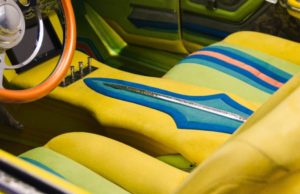
Anyone who has grabbed a steering wheel in a Mesa parking lot in July knows the problem: a car parked in the Arizona sun becomes an oven. Cabin temperatures in a closed vehicle can climb far above the already-brutal outdoor temperature, hot enough to burn skin on seat belts and steering wheels, crack and fade interior surfaces, and turn the first ten minutes of every drive into an endurance event. You cannot change the weather, but you can change how much of it ends up inside your car. Here is how to keep your car’s interior from overheating in the summer, with strategies that actually work in the East Valley.
Win the Parking Battle First
Where you park matters more than anything else on this list. A car in shade absorbs dramatically less heat than one in direct sun, so it is worth a longer walk to park under a tree, a solar canopy, or a parking garage. Orientation helps too: if you cannot find shade, parking with the windshield facing away from the sun keeps the dashboard and steering wheel out of the worst direct exposure.
At home, use the garage if you have one. A garaged car starts the day cooler, and everything inside it, from electronics to upholstery, ages slower. If your garage has become storage, reclaiming it is genuinely one of the best things you can do for your vehicle in Arizona.
Use Sunshades Like You Mean It
A windshield sunshade is cheap, takes ten seconds to deploy, and blocks a huge amount of solar energy from reaching your dashboard and seats. The reflective kind works best, and it needs to actually be used, not live folded in the back seat. Rear and side window shades add more protection, especially for families with kids in car seats, since buckles and hardware get dangerously hot in direct sun.
Two related upgrades worth considering: seat covers protect leather and cloth from direct sun, and a steering wheel cover, or even a small towel draped over the wheel, means you can actually hold the wheel when you get in.
If you park at work all day, plan for the afternoon sun rather than the morning sun when you pick a spot. The space that is shaded at 8 AM may be in full sun at 4 PM, exactly when you come back to the car. A minute of planning at arrival pays off at the hottest hour of the day.
Let Heat Escape Before You Trap Yourself With It
When you return to a baked car, do not just climb in and blast the AC. Open the doors, or roll the windows down, for a minute to let the superheated air escape first. Cracking the windows slightly while parked, where it is safe to do so, also keeps the interior closer to outdoor temperature by giving hot air a way out.
Once you are moving, drive with the windows down for the first minute to flush the hot air, then close them and let the AC work on cooler air. Even a garage-kept car benefits from a quick flush of air after sitting in a parking lot. Your air conditioning cools the cabin much faster when it is not fighting trapped 150-degree air, and that means less strain on the whole AC and cooling system every single time you drive.
Protect the Interior Surfaces Themselves
Even with good habits, an Arizona interior takes UV abuse. A few maintenance habits keep heat from turning into permanent damage:
- Treat dash, trim, and leather with a UV protectant regularly; sun-dried vinyl and leather crack, and cracked dashboards are expensive to make right.
- Keep the interior clean; dust and grit ground into hot surfaces accelerates wear.
- Never leave electronics, aerosol cans, plastic bottles, medications, or crayons in a parked car; heat destroys the first, and the rest make memorable messes or lose potency.
- Tinted windows, where legal, meaningfully reduce interior heat and UV fading, and they protect the people in the car as much as the upholstery.
Plan Around the Heat, Not Just Against It
Timing is an underrated tool. When you can, run errands in the early morning or after sunset, and group stops so the car reheats fewer times. If your vehicle has remote start with climate control, use it for a minute or two before you load kids or groceries. And never underestimate how fast a closed car heats up: temperatures climb dangerously within minutes, which is why children and pets should never wait in a parked car here, even briefly, even in shade. The same math that makes your steering wheel untouchable makes a closed cabin genuinely hazardous.
Make Sure Your AC Can Hold Up Its End
All the shade and sunshades in the world will not help if your air conditioning is weak. An AC system that starts the summer marginal will be miserable by August, because low refrigerant, a tired compressor, or a struggling condenser only gets worse under load. If your system takes a long time to get cold, blows noticeably warmer at idle, or cannot keep up on the highway at midday, have it tested before peak season. A quick call to (480) 444-0242 gets you scheduled for an AC performance check, which is far more pleasant than discovering the problem in a parking lot in the middle of a heat wave.
For more Arizona-specific advice on living with the heat, our car care and driving tips archive covers seasonal topics like this one all year long.
Summer heat is the defining challenge of owning a car in the Valley, but a cooler interior is mostly the sum of small habits: shade, sunshades, ventilation, surface protection, and an AC system that is actually healthy. If your car’s air conditioning needs attention before the next heat wave, explore our services or call Network Automotive Service Center, family-owned since 1995, at (480) 444-0242. We will make sure the coolest place on a summer afternoon is the inside of your own car.
by | Apr 26, 2021 | Car Care & Driving Tips
Spring in the East Valley is the season everyone waits for. The mornings are cool, the afternoons are perfect, and the roads fill up with everyone trying to enjoy it before summer arrives. It is also the single best time of year to get your car ready for what is coming, because the brutal months are ahead of you, not behind you. A little preparation in March and April prevents the breakdowns that fill repair shops in June. Here are the spring driving tips we share with our own families, from a Chandler, AZ auto repair shop that has watched this cycle repeat since 1995.

Test Your Air Conditioning Now, Not in June
This is the most important item on the list. Every spring, drivers turn on their A/C for the first warm afternoon and discover it blows weak or warm. The ones who address it in spring get it fixed comfortably. The ones who wait discover the problem during the first 105-degree week, when they need it most.
Run your A/C on a warm spring day and pay attention. Air that is cool but not cold, airflow that seems weaker than last year, odd smells from the vents, or noises when the compressor kicks on are all early warnings. In Arizona, air conditioning is a safety system, not a comfort feature, and spring is your window to get ahead of it. Our A/C and cooling system articles cover the common failure signs in more depth.
Check Your Tires Before the Pavement Gets Hot
Summer heat is merciless on tires. Hot pavement raises tire temperatures dramatically, and a tire that is worn, underinflated, or dry-rotted is far more likely to fail in July than in March. Use spring to get ahead:
- Check tread depth on all four tires, including the inner edges where wear hides.
- Inspect sidewalls for cracking, a common result of year-round Arizona sun exposure.
- Set pressures to the door jamb specification, and recheck monthly as temperatures climb.
- Rotate and align if it has been a while, so the tires you have last as long as possible.
Give the Cooling System a Once-Over
Your engine’s cooling system is about to work harder than at any other time of year. Spring is when to confirm the coolant is at the right level and in good condition, hoses are firm and crack-free, the radiator is unobstructed, and there are no slow leaks leaving telltale spots on your driveway. Overheating is one of the most common summer breakdowns in the Valley, and nearly every case gives warning signs weeks in advance. A cooling system inspection now is cheap insurance against a tow truck later.
Replace Wipers and Wash Off Winter Dust
It may seem backwards to think about wipers as the rainy season ends, but Arizona sun destroys wiper rubber faster than rain ever wears it out. Blades that sat baking all last year will smear and skip when you need them. They are inexpensive, so replace them annually.
Spring winds also kick up dust that coats the windshield, headlights, and cabin air filter. A dirty cabin filter makes your A/C work harder and lets dust and pollen into the car, which allergy sufferers notice immediately during spring bloom. It is a quick, low-cost item that makes a real difference in comfort.
Plan Ahead for Spring Road Trips
Spring is prime road trip season, whether it is spring training games, hikes, or a weekend getaway before the heat. Before any longer drive, top off fluids, check the spare tire, and make sure your emergency kit is stocked with water, snacks, a flashlight, a phone charger, and basic first aid supplies. Water matters even in mild months, because a breakdown on a remote stretch of Arizona highway can mean a long wait in the sun.
If your car is due for service anyway, schedule it before the trip rather than after. Long highway drives have a way of finding the weak points in a vehicle. If you want a pre-trip inspection, give us a call at (480) 444-0242 and we will look the car over before you go.
Watch for Spring Driving Hazards
The season brings its own road conditions worth respecting. Spring winds can push dust across roadways and reduce visibility in an instant, so slow down and add following distance when it is blowing. Weekend traffic swells with visitors and events, which means more congestion and more distracted drivers. And glare gets stronger as the sun climbs, so keep sunglasses in the car and the windshield clean inside and out, since a film on the inside glass scatters light badly at dawn and dusk.
Have the Battery Tested Before the Heat Returns
Spring is the smartest time of year to test a car battery in Arizona, because the season you are preparing for is the one that kills them. Extreme summer heat evaporates electrolyte and accelerates corrosion inside the battery, quietly stealing capacity. A battery that survived last summer and limped through winter may not have enough left for another round of triple-digit months.
Testing takes only a few minutes and gives you a straightforward answer about remaining capacity. While you are at it, look for the physical warning signs: white or greenish crust on the terminals, a swollen or bulging case, or a starter that cranks slower than it used to. Any of those means the battery deserves attention now. Replacing a battery on your schedule in April is a minor errand. Replacing one in a parking lot in July, with the temperature over 110 and the family in the car, is a very different experience.
Get Summer-Ready While It Is Still Pleasant
Everything above can be handled in one spring visit: A/C performance, tires, cooling system, wipers, filters, and a general health check. Taking care of it now means you head into the hottest months with confidence instead of crossed fingers. Network Automotive Service Center is family-owned, serving the East Valley since 1995. Browse our services, check our current coupons, and call (480) 444-0242 to schedule your spring checkup. Your summer self will thank you.
by | Apr 19, 2021 | Diesel Repair
If you are planning to take your diesel to a Mesa, AZ auto repair, you might be wondering if it needs a tune-up. A tune-up can help your vehicle run better and help you get the most out of it. While a tune up can mean a lot of things, there are certain things that can be done to ensure your vehicle is running properly. You always want to make sure you are choosing a qualified repair service to make the repairs. Here are some signs that your diesel may need a tune-up soon.
Slowing down
You anticipate that your car should go when you press the gas pedal, yet a failing motor could falter, speed up gradually, or even slow down totally. This absence of force isn’t just irritating, yet it can likewise cause a dangerous circumstance out and about. To address slowing down issues, get a check up and get the repairs you need. This will help you keep your vehicle at the right speed and ensure it runs properly at all times. It can also help reduce the likelihood of other problems.
Dash Lights
It’s difficult to tell what’s happening under your hood, which is the reason your vehicle’s PC turns on a notice marker when something’s incorrectly. At the point when your vehicle’s check motor light switches on, it very well may be anything from a free gas cap to a leak in a gasket. In the event that you see this sign on your instrument board, make an arrangement for servicing of the vehicle quickly. Not only will this get rid of the annoying light, it will give you some peace of mind in knowing your vehicle is running as it should be.
 Lessened Fuel Economy
A motor is intended for most extreme gas proficiency, yet it just takes little issues in planning, fuel stream, or air supply to distract everything. In the event that you’re not getting however many miles as you normally escape each tank, it very well may be an indication that a tune-up is important. When you are not getting the best fuel economy you are paying more to drive all the places you need to go. You could also be making things harder on your engine. You want your vehicle to get the best mileage possible and that could be as simple as scheduling a tune-up.
These are three signs that your vehicle may be a tune-up, yet don’t stop for a second to acquire it for administration at whatever point something doesn’t feel right to you. At Network Automotive Service Center, we manage a wide scope of vehicular issues and we’re prepared to give our brand name administration to your vehicle. To plan a meeting with one of our professionals, reach us on the web or call the shop today. We anticipate hearing from you and helping you with all your Mesa, AZ auto repair needs.