by | Aug 1, 2022 | Exhaust & Emissions
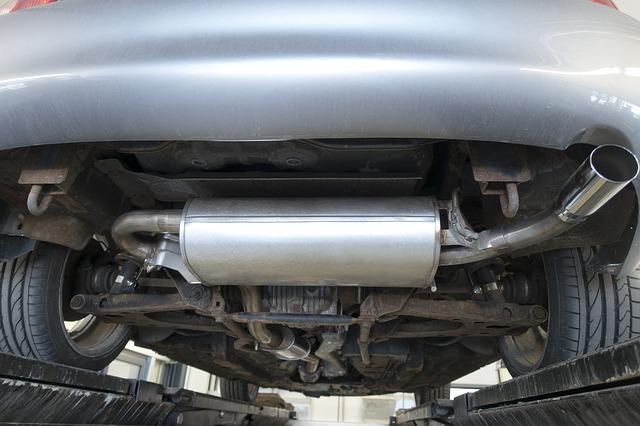
If you have a car that is experiencing muffler problems you may be frustrated and wondering what you can do to fix it. If you need to have the muffler repaired, you can take your car to a Mesa, AZ auto repair shop. Mufflers are an important part of a vehicle and making sure yours is working properly is important. Here are some things to keep in mind when it comes to your muffler.
What Are Mufflers For?
In the name is everything. Vehicles’ engines produce a lot of noise, which is muffled by their exhaust systems. Since engines need to produce a tremendous amount of power, they produce numerous pulsating sounds that echo through the exhaust valves. These pulses are made thousands of times a minute. Unless your vehicle’s muffler is working properly, it will be incredibly noisy. A lot of noise can indicate that your muffler needs to be replaced.
How Do Mufflers Stop Sound?
Opening a muffler would reveal tubes, baffles, and chambers. They reflect the sound waves produced by the engine. In an ideal world, the waves cancel each other out because they are reflected. Each muffler produces a unique sound. Some have been designed to be silent, but others are made to make sounds similar to growling.
What Causes Them To Go Bad?
A muffler can go bad for many reasons. Mufflers naturally degrade over time because they are exposed to moisture and heat. Rust occurs inside mufflers when they are exposed to moisture, which affects the quality of the product. In addition, your muffler can suffer damage if it is knocked against by something. You should inspect your exhaust system if your car becomes noisier, emits an unpleasant smell, or has a drastic decrease in fuel economy.
What Happens When They Go Bad?
The purpose of a muffler is primarily to reduce noise, but it can also affect the overall performance of your car. In order for an engine to generate more power, it needs to be able to exhaust its exhaust gases as quickly as possible. It is without a doubt true that mufflers slow down your engine by restricting the exhaust flow. However, it is required by law that your vehicle has a muffler, so some high-octane drivers will have to live with having such a vehicle. You can choose from many different muffler designs, though, so you shouldn’t have difficulty finding one that suits your lifestyle.
The performance of your vehicle and the environment is adversely affected when your muffler malfunctions. Your car will not only sound louder, but it will also release more emissions. That means fewer fumes. Our Mesa, AZ auto repair shop can inspect and repair your vehicle shop. Just call us today to make an appointment to have your muffler serviced or your car repaired. We are happy to help with all your auto repair needs. Just give us a call to get your car in to be serviced as soon as possible.

by | Jul 25, 2022 | A/C & Cooling System
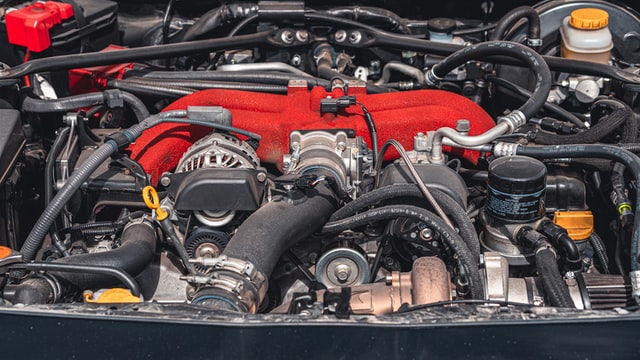
It’s never good to find out that your car is getting too hot or overheating, so you should always check that the most common causes of overheating are a problem for your car. If you do find out that your car is overheating, take it to a Chandler, AZ auto repair shop for repairs. Here are some of the most common things that can make your car overheat and cause problems for you. If any of these are a problem for you, get your repairs done immediately.
Bad Battery
You may not even consider the fact that your battery could be going bad and causing your car to overheat. A defective battery causes your car to overheat while driving. It is essential to replace your battery after 3 years if it is older than that. To be sure that the battery is reliable for the car, let the mechanic check its condition.
Cracked Radiator
Cars require a radiator to regulate their temperature. It is important to add water and coolant to the radiator when driving to prevent overheating. Avoid underfilling or overfilling the radiator. Overheating might cause leftover water/coolant to spill, so be careful while loosening the cap.
Revving The Engine
Before driving, gently rev your engine. By allowing seamless oil movement throughout the engine, it helps to vibrate some components in the car more effectively. Driving an already heated car isn’t the best solution to stopping a car from overheating. If your engine is already hot, don’t rev it. This can cause the car to overheat quickly and can permanently damage your engine.
Air Conditioner
What are the chances of an air conditioner overheating a car? Either the air conditioning compressor failed, which increased engine load, or the compressor locked up on the fan belt, which made it difficult for the fan belt to disperse heat from the engine coolant. Therefore, you should turn off the air conditioning when the weather is favorable. As a result, the pressure on the engine will be reduced and the car will cool.
Low Coolant
Overheating a car is caused by low coolant levels? Having a low level of coolant causes overheating. While the coolant steams, the heat that was supposed to be removed from the engine becomes trapped. You should add plenty of coolant to your radiator to ensure it doesn’t crack or cause your car to overheat. If you don’t keep enough coolant in your car it may cause serious problems with your engine and prevent your car from running properly.
If you are worried that your car may be overheating or there may be something that is making your engine run hot, you will need to find out the cause of the problem so you can have it repaired before it causes serious engine damage. A Chandler, AZ auto repair shop will be able to inspect your vehicle and tell you if there are any issues. Give us a call today to get help ensuring your car runs as it should. Tell you if there are any problems, and make the necessary repairs. If you need help with your car, call today to learn more about our services.
by | Jul 18, 2022 | A/C & Cooling System
There are a lot of things that can happen to your car and radiator problems are daily common. If you notice any of these issues, you may need to have your car serviced by a Mesa, AZ auto repair shop. Your radiator helps prevent your engine from overheating and malfunctioning and if something goes wrong, you may not be able to be driven properly. Here are some of the most common radiator problems and reasons why they may need to be repaired.
Blockages
The radiator is made of metal, as are its fins. Usually, this metal is mild steel and is painted thinly. As a result, rust is easy to build up. Initially, corrosion will be devastating to the fins of the radiators. The fins are responsible for increasing the surface area of the veins within the radiator, where coolant flows. When the fins are absent, the coolant will have a much harder time cooling down. If the corrosion gets deeper, it can hit the veins and cause leaks, and given the pressure involved, these leaks will spread quickly.
Freezes
There is more to coolant than water. Ideally, coolants should be replaced on a seasonal basis. During the winter, winter coolant will have a lower freezing point, making it more likely to freeze. For warmer weather, summer coolant will provide warmth to the upper regions of the engine. Simply using water will not only corrode the engine block but also freeze it. Since water freezes and expands, it will corrode the engine block. Instead, they buckle and break, becoming completely ineffective.
Busts
This sounds scary, but it is actually very common. Modern-day plastic-capped radiators can be blown off by the pressure built up in a cooling system. The result is an eye-catching display of coolant flying everywhere. There are a number of reasons why this might happen. It’s possible there’s too much coolant in the system, or there could be a problem somewhere down the track. These problems are rare, but they do occur.
Holes
The radiator is located up the front of the car. Therefore, it is directly exposed to road debris. However, we are not talking about big problems here. A stone can puncture a radiator at 70 mph if it hits it with enough force. This could mean disaster and expensive repairs for your car. If the radiator is damaged, you will lose coolant, which will cause the engine to overheat quickly. If it runs hot for too long the engine could suffer.
If you think your radiator may be having issues or if you just want to know about things that could happen to it, keep the above points in mind. If your radiator is experiencing one of these problems, you should take your car to a Mesa, AZ auto repair shop. We can inspect your radiator, tell you if there are any problems, and make the necessary repairs. If you need help with your car, call today to learn more about our services.

by | Jul 11, 2022 | Diesel Repair
Diesel owners tend to watch fuel economy closely, and for good reason: many people choose a diesel precisely because it can deliver strong mileage while doing real work. So when the numbers at the pump start slipping, it is worth taking seriously. The encouraging news is that diesel fuel economy responds strongly to maintenance and driving habits. A diesel that is cared for and driven thoughtfully will consistently beat a neglected twin, and the gap is bigger than most owners expect. Here is how to get better gas mileage with a diesel, from practical driving changes to the maintenance items that quietly drain efficiency when they are ignored.

Keep the Air and Fuel Systems Clean
Diesels breathe enormous volumes of air, and everything about their efficiency starts with clean airflow and clean fuel:
- Air filter: A clogged air filter chokes the engine and hurts efficiency. In Arizona, monsoon dust loads filters far faster than national service intervals assume, so check yours more often, especially after dust storm season.
- Fuel filters: Diesel fuel systems rely on clean fuel at very high pressures. Restricted fuel filters make injection systems work harder and can degrade the spray patterns that efficient combustion depends on. Follow the replacement schedule faithfully.
- Injectors: Worn or dirty injectors deliver fuel in patterns the engine cannot burn cleanly, which shows up as falling economy, smoke, or rough running. Injector health is one of the biggest hidden variables in diesel mileage.
If your mileage has dropped and the engine feels different, has new smoke, or idles rough, that is a diagnostics conversation, not just a filter swap. Our diesel repair archive covers more on how these systems behave as they age.
Stay Relentless About Oil and Fluids
Fresh oil of the correct specification reduces internal friction, and friction is fuel economy’s quiet enemy. Use the exact specification your engine calls for rather than whatever is on the shelf, since modern diesels are engineered around specific oil formulations. Diesels are hard on oil, and extended intervals in extreme heat are harder still; East Valley summers push oil temperatures up and shorten its effective life. Keeping up with oil changes and maintenance on the severe-service schedule pays for itself partly at the pump.
The same logic applies down the driveline: transmission fluid, differential fluid, and transfer case fluid in trucks all add drag as they age. Fresh, correct fluids keep the whole drivetrain turning with less resistance.
Watch Your Tires Like a Fleet Manager
Underinflated tires are one of the most common, most fixable mileage killers on any vehicle, and diesel trucks amplify the effect because they are heavy. Rolling resistance climbs quickly as pressure drops. Check pressures monthly and before towing, and check them in the morning; Arizona pavement heat swings pressures significantly through the day. Alignment matters too: a truck that is dragging slightly sideways down the highway burns extra fuel every mile, and it eats tires at the same time. Uneven wear across the tread is your early warning. And if you run oversized or aggressive off-road tires, be honest about their cost at the pump; heavier, knobbier rubber measurably increases rolling resistance, and a highway-oriented tread makes a real difference for trucks that rarely leave pavement.
Change How You Drive, Especially When Towing
Driving style moves diesel fuel economy more than any single part:
- Smooth acceleration: Diesels make their power low in the rev range; let the torque work instead of stomping the pedal.
- Steady highway speeds: Aerodynamic drag rises sharply with speed, and heavy vehicles pay double. Modest speed reductions on long hauls produce measurable savings.
- Limit idling: Modern diesels do not need long warmups, and extended idling burns fuel to go nowhere.
- Mind the weight and the wind: Empty the bed and cab of cargo you have been hauling around for no reason, and remember that racks, toppers, and open trailers all change the aerodynamic picture.
- Plan around stop-and-go: Phoenix-metro commuting is hard on economy; when you can shift errands away from peak traffic, your average improves.
Do Not Ignore Warning Signs of an Inefficient Engine
Falling mileage is often the first symptom of a mechanical issue: a lazy sensor, a boost leak, a sticking EGR component, a failing injector, or an exhaust restriction. If economy dropped noticeably and your habits have not changed, something changed on the truck. A check engine light plus worse mileage is a clear signal to get diagnostics done promptly, because problems in that category rarely stay the same price for long. Call (480) 444-0242 and describe what changed and when; that history helps a technician zero in on the cause faster.
Measure It, or You Are Guessing
Fuel economy improvements only count if you can see them, so track your numbers. Most modern trucks display average economy on the dash, but the pump math is more honest: miles driven since last fill divided by gallons added. Log a few fill-ups before you change anything so you have a baseline, then make one change at a time, whether that is fresh filters, corrected tire pressures, or a lighter right foot, and watch what moves. Tracking also gives you an early warning system for free: a sudden unexplained drop in your log is often the first visible sign of a mechanical issue, and bringing that log to your shop makes the diagnostic conversation faster and more precise.
Think in Cost per Mile, Not Just Miles per Gallon
The real goal is a diesel that is cheap to run over its whole life, and the levers are the same ones that improve mileage: clean filters, healthy injectors, fresh fluids, proper tires, and driving that respects physics. Maintenance you skip does not disappear; it comes back later with interest, usually accompanied by months of quietly worse fuel economy you paid for at every fill-up.
Network Automotive Service Center has been family-owned since 1995 and services diesel trucks alongside everything else East Valley drivers rely on. If your diesel’s mileage is slipping, or it is simply due for the maintenance that keeps mileage strong, explore our services or call (480) 444-0242 to schedule a visit. Better economy is usually not a mystery; it is maintenance.
by | Jul 4, 2022 | Brakes
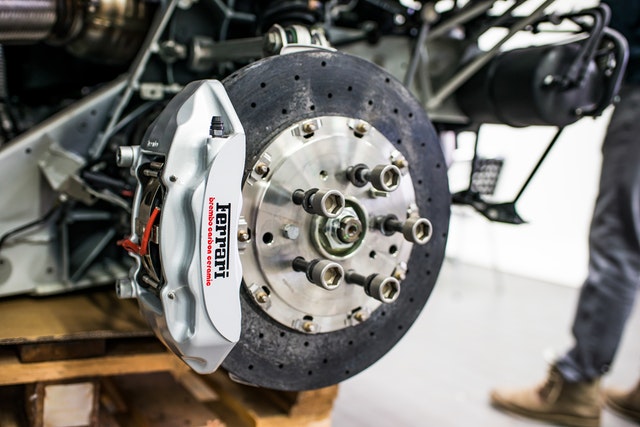
Most drivers know brake pads wear out, but the rotors those pads clamp against get far less attention, right up until the steering wheel starts shaking during a highway stop. Rotors are the large metal discs that spin with your wheels, and their condition directly determines how quickly, smoothly, and safely your vehicle stops. Bad rotors give clear warnings if you know what to feel and listen for. Here is how to recognize them, why Arizona driving is especially hard on rotors, and when to bring your vehicle to a Mesa, AZ auto repair shop.

What Rotors Do and Why They Wear Out
Every time you press the brake pedal, calipers squeeze the brake pads against the spinning rotors, converting your car’s motion into heat. That heat is the whole story. Rotors routinely run at very high temperatures in normal driving, and repeated heating and cooling cycles gradually change the metal. Over thousands of stops, rotors wear thinner, can develop uneven surfaces, and can form hard spots that no longer match the rest of the disc.
Thin rotors are a real safety concern, because a rotor needs enough metal mass to absorb and shed heat. A rotor worn below its minimum thickness overheats faster, stops the car less effectively, and in extreme cases can crack.
The Telltale Signs of Bad Rotors
Rotor problems announce themselves through your hands, feet, and ears:
- Vibration or pulsing when braking. The classic symptom. If the steering wheel shakes or the brake pedal pulses under your foot during stops, especially from highway speed, the rotor surfaces have likely become uneven.
- Grooves or ridges you can see or feel. Deep circular scoring on the rotor face, or a pronounced lip at the outer edge, indicates significant wear.
- Squealing or grinding. Persistent noise during braking can mean pads have worn down and are damaging the rotor surface. Grinding is metal on metal and needs immediate attention.
- Longer stopping distances. Damaged or overheated rotors simply do not generate the same stopping force.
- Blue discoloration or visible cracks. Signs of severe overheating, and a rotor in this condition should be replaced, not resurfaced.
Any of these deserves an inspection soon. Vibration in particular tends to worsen steadily, because uneven rotors wear pads unevenly, which wears the rotors further.
Why East Valley Driving Punishes Rotors
Rotors survive by shedding heat into the surrounding air, and that job is a lot harder when the ambient air is 110 degrees. Add Mesa’s daily reality of stop-and-go traffic, long signal-heavy arterials, and freeway slowdowns, and rotors here endure more heat cycles with less cooling than in most of the country. Mountain trips make it tougher still, since long descents from Arizona’s high country can push brakes toward overheating, which is why experienced drivers downshift and brake in firm, intermittent applications rather than dragging the brakes continuously downhill.
The practical takeaway: brake components in the Valley often need attention sooner than generic national estimates suggest, and periodic inspections matter more here. Our brake repair articles cover the rest of the system too, because rotors rarely fail alone.
Resurface or Replace?
Not every worn rotor needs replacement. Rotors with adequate thickness and only minor surface unevenness can sometimes be resurfaced, machining a thin layer off to restore a flat, smooth braking surface. But resurfacing removes metal, and every rotor has a minimum safe thickness stamped on it. A rotor that is too thin, too heat-damaged, or too deeply scored must be replaced.
This is a measurement decision, not a guess. A technician measures rotor thickness and runout with precision tools and tells you which side of the line your rotors fall on. Honest shops will also tell you when rotors are fine and only pads are needed. If you are unsure what your symptoms mean, call us at (480) 444-0242 and describe what you are feeling, and we will help you figure out the urgency.
Do Not Replace Pads Alone Without Checking Rotors
One common and costly mistake is installing new pads against damaged rotors. Uneven or scored rotors chew up new pads quickly, and the vibration you hoped to cure comes right back. Pads and rotors work as a matched system, which is why a proper brake job always includes measuring and evaluating the rotors, not just swapping pads. Doing it right the first time costs less than doing it twice.
How Long Do Rotors Last?
Rotors generally outlast brake pads, and it is common for a set of rotors to survive one or more pad changes before needing replacement. But their real lifespan depends on the same forces that wear pads: traffic, temperature, load, and driving style. Heavy stop-and-go commuting, towing, aggressive braking, and our relentless summer heat all shorten rotor life, while smooth highway driving extends it.
A few habits help your rotors last longer. Brake early and progressively instead of late and hard, which keeps temperatures down. Do not rest your foot on the brake pedal while driving, since even light constant contact builds heat. On long mountain descents, use lower gears and firm intermittent braking rather than dragging the brakes the whole way down. And replace pads on time, because worn pads damage the rotor surface they press against. Treat the brake system well and it rewards you with longer intervals between every kind of brake repair.
Keep in mind that rotors also age even when the car sits. A vehicle parked outside for weeks can develop surface rust on the rotor faces, which usually cleans off after a few gentle stops. If a vibration or scraping sound persists beyond the first short drive, though, the rotors may have developed deeper corrosion or uneven spots that need a professional look before they wear into the new pads.
Stop With Confidence Again
Brakes are the one system where “wait and see” is the wrong strategy. If your steering wheel shakes when you brake, your stops feel longer, or you hear grinding, have the rotors inspected promptly. Network Automotive Service Center has been family-owned since 1995, serving Mesa and the East Valley with complete brake service. Take a look at our services and call (480) 444-0242 to schedule a brake inspection. Smooth, confident stops are worth it every single drive.

by | Jun 27, 2022 | Car Care & Driving Tips
Everyone has experienced a time when they left their windows down, or the sunroof opens only to have rain get into it. While most of the time this can be a harmless mistake but there are also things that can go wrong if too much water gets into the car. If you are struggling to clean your car or notice an issue after the car has been rained in, there are some things that may be wrong. Take your car to a Chandler, AZ auto repair shop to have the car serviced and the issues addressed.
Window And Door Locks
One of the areas that can be affected by the water is the door locks and windows. If they are electric and the water gets down into the motors, it could cause the motor to short out and prevent them from working properly. The windows may not roll down all the way or the doors may not lock or unlock. The window motors may need to be replaced if you want to be able to use the windows and doors as you normally would.
Radio
Your radio could also be affected by any water that gets inside your car if it rains or storms and the windows are down. Your radio is also electric, so it can easily short out the radio or ruin the buttons. It can also do the same for other electric parts of your car. The longer you leave the water in your car, or the more water that got in your car, the worse the damage will be, and the less likely your radio will work correctly. You will need to have it replaced or repaired by a professional.
Carpet
The carpet can become soaked if there is too much water that comes in through the windows when it rains. You might not notice the water in your car until it has soaked in for a while and begins to smell. As the water stays in the car and becomes dirty and stagnant, it will develop a smell, and your carpets may even start to mold or mildew. This could eventually cause the carpet fibers to break down and could make it easy for the carpet to rip or have holes in it. Drying out the carpet and shampooing the carpets will help remove the smell and allow them to dry properly.
If you left the windows down on your car and you are wondering what might be wrong with it, keep the above points in mind. If you do find that there is an issue with your car and you need to have it repaired, the best option is to take your car to a Chandler, AZ auto repair shop. A mechanic will be able to determine the problem and decide if there are any parts that need to be repaired or replaced. We can order the parts you need and ensure they are installed properly. Give us a call today to learn more about our services.

by | Jun 20, 2022 | Brakes
If you are having issues with your car’s brakes, you may need to have them changed. If you are trying to save money and even time, you might be tempted to try to change them yourself. If you have some knowledge of cars, you might be able to do this, but there are a lot of reasons why it may not be a good option and should instead be done by a Mesa, AZ auto repair shop. Here are some reasons why you shouldn’t change your own brakes.
Safety
You don’t want to take any chances when it comes to your brakes because they are a part of the car that keeps you safe when you are on the road. If you aren’t confident in your abilities to repair or replace your brakes properly, you could put yourself and your family at risk for an accident. When you take your car to a shop to have the repairs done properly, you will know that there’s nothing to worry about because the brakes will function as they should and have been installed properly by someone who is experienced with the process.
Time
It takes a lot of time to install your brakes, and there may be other problems that you find and have to repair as well. If you don’t set aside enough time to do the repair, you might end up with your brakes taken off, and you may not have enough time to put them all back on correctly. You can’t rush through this process so it’s best to take it somewhere to have the job done correctly by someone who will do it fast and right. When the job is done they will call you to pick up your car.
Money
If your intentions are to save money with your brakes, you will want to have them installed by an experienced auto repair shop. This will make it possible to ensure that you get the right brakes. If you happen to order the wrong brakes or don’t have the right tools, you will need to buy more things which will cost you more money. It could end up being more expensive for you to do your own brakes than to just take the car to the right person to install the brakes for you.
If you are going to be having your brakes done, and are considering doing them yourself, it might be a better option to take your car to a Mesa, AZ auto repair shop to have them installed. There are many reasons why it can be a better option to have your brakes installed rather than install them yourself. If you are ready to make an appointment to have your car serviced for any reason or to have your brakes checked or replaced, call us today. We are here to help with all your car repair news. Stop by today or call and make an appointment online for your services.
by | Jun 13, 2022 | Oil Change & Maintenance
If you are going to have your oil changed or if you are noticing something is wrong with your car, you might be wondering what the problem could be. There are many things that you may find wrong with your oil. Understanding the problem will allow you to figure out what is going on with your car and whether or not you need to have your oil changed or if there is a problem with your engine oil. If you do need to have your oil changed, be sure to reach out to a Chandler, AZ auto repair shop for help with your car.
Is The Oil Dirty
Oil sludge is often thought of as dirty oil, but that’s not all. The oil must be dirty. It wraps around your car’s engine, lubricating metal components that should slide smoothly through each other. When oil gets contaminants like sawdust, dirt and water, it picks them up and passes them through a filter. When done properly, engine oil gets dirty on the hands. Over time, exposure to heat and other wastes causes oxidation, which is a change at the molecular level. Instead of sliding off, the oil gets sticky and sticky (burnt marshmallows, remember?). Contaminants stick to the oil and clog the filter. The oil also loses its ability to withstand heat and begins to burn on the components it needs to protect.
Metal Flakes
Engine components are designed to slowly slide together to create enough pressure to propel the vehicle. Poor clay sticks to any hot metal surface. These materials are now rubbing. The mud has pitted the important moving parts against each other. This causes friction and it will eventually cause your engine to break down and could lead to severe problems. If you see flakes of metal in your oil, and you think they may be caused by grinding parts in the motor, it will need to be dealt with quickly.
Synthetics
 Synthetic oils are less sensitive to temperature damage than conventional oils. For drivers in very cold climates, synthetic oil helps your vehicle start more consistently. It also reduces the wear that occurs when the engine is too cold. Synthetic oils also have much lower evaporation rates than conventional oils. If you drive a lot, the heat inside your engine will increase. Synthetic oil provides greater protection against extreme heat for a longer period of time.
If you think there may be some issues with your oil and you want to be able to have your car serviced or checked out, you will want to consider all of the above points. Oil is important for your car and there are a lot of things that can go wrong with it and make your car have issues. If you need to have your car inspected or if you need to make an appointment for your car be sure to reach out to a Chandler, AZ auto repair shop. We are here to help.
by | Jun 6, 2022 | Exhaust & Emissions
Your exhaust is made up of different things and one portion of it is the catalytic converter. It serves different purposes and while they don’t go bad often when it happens, you may experience a lot of different problems. If you do notice that your catalytic converter is going bad or if you are noticing problems with your car and you want to have it checked out, you may want to consider taking it to a Mesa, AZ auto repair shop. You may get your catalytic converter replaced or repaired so your car is fixed. Here are some signs that it’s time to do so.
Check Engine Light
The check engine light is an integral part of modern vehicles. A sensor will trigger this light when it detects something wrong with your car – this is when the catalytic converter will fail. Your catalytic converter operates within tolerance levels as it is monitored by oxygen and air/fuel sensors in more recent engines. Whenever you drive with a bad catalytic converter, your car’s internal computer will detect it and cause your check engine light to come on. However, this is one of the easiest ways to troubleshoot a catalytic converter, because your sensors don’t always detect the problem right away.
Lost Power
One of the most common symptoms of a clogged catalytic converter is sudden loss of power and difficulty accelerating. A clog in the exhaust system prevents your engine from taking in clean air and exhaling exhaust gas. When your converter is clogged, your engine won’t mix air and fuel efficiently, resulting in low combustion power, poor acceleration, and inefficient use of fuel. Your car may continue to lose power as the catalytic converter becomes worse.
Poor Gas Mileage
 Is your fuel tank getting filled up more often than it used to be? Poor fuel efficiency is likely to result from a defective catalytic converter. Your engine relies on the sensors to create the perfect mixture that your car needs to run properly. If the buildup becomes to bad, it can cause your catalytic converter to break down and may even cause your to fail your emissions test or may cause your exhaust to stop working as it should. If you notice a change in your fuel efficiency suddenly, it may be due to a bad catalytic converter nad you may need to have it repaired or replaced.
If you believe that your catalytic converter may be broken or may have gone bad, you should arrange to take your vehicle to a Mesa, AZ auto repair. Here you will be able to have it inspected and repaired or replaced if necessary. If you are in need of a repair shop to work on your car, be sure to reach out to us for help. Call today and make an appointment to have your car inspected, repaired, or to learn more about our services. We are here to help with all your auto repair needs.

by | May 23, 2022 | Car Care & Driving Tips
If you are looking to buy a new car or no longer want your existing car, you may want to sell it. There are a variety of ways to sell your car. Of course, most of them are outdated and won’t help you sell your car quickly or for the best price. If you are planning to sell your car, the best thing you can do is have it inspected and repaired by a Chandler, AZ auto repair shop. This will allow you to offer information about your car and show that it is in good condition. Here are some other tips to help you sell your car more easily.
Flyers and Signs
Flyers and signs are an old-fashioned way of selling a vehicle and take a lot of time and resources. You can create the flyers and signs on your computer or have them made at a local printing shop, which can be expensive. You also have to walk or drive around to place flyers on your local community boards in post offices, laundromats, and libraries in your city. It can take a little bit of time, but it can help you market your car to a lot of people nearby.
Junkyards
Many people sell their cars to junkyards because it’s a fast way to get rid of them. Do you really want to sell your car to a junkyard? This is a common question among people who are trying to sell a car with severe damage or mechanical problems. Junkyards usually don’t offer the best prices on a car. They will simply weigh your car and give you the going rate for scrap metal. They will give you a fair price for your car. If your car runs but you know there is a problem with it, it may be better to have it repaired instead of selling it to a junkyard.
Online
 Selling your car online is simple, fast, and ensures you get a fair price. You can reach a lot of people and even communicate with them before they make a trip to test drive it. You will have a good understanding of what to expect from the start of the process and will get your money quick. If you have had your car repaired, you can explain this to the buyers so they know it was taken care of and will be a good purchase for them. This could encourage them to want to buy it.
You won’t believe how easy it is to sell your car once you have had all the issues with it repaired. Before you place your car for sale anywhere, be sure to take it to a Chandler, AZ auto repair for a full inspection and a tuneup. You want to sell a car that runs well and will make the buyer happy. Make an appointment with us to ensure everything is in order so you can list your car as something that is good quality and ready to be driven by anyone who chooses to buy it. We are happy to help you make a faster sale.